5 Days · Tanzania Safari

5-Day Serengeti Wildebeest Migration Safari

Tour Overview

This five-day safari is designed to follow the seasonal movement of the Great Migration within the Serengeti ecosystem, combining time in the wildlife-rich central plains with focused exploration of the northern Serengeti near the Mara River. Rather than promising specific river-crossing events, this itinerary focuses on the best realistic access to migration herds, predators, and open-plain wildlife depending on seasonal conditions.

Travel begins directly from Arusha into the Serengeti, allowing more time inside the park and reducing unnecessary transit. By spending two nights in the north and one in the central region, the journey balances movement tracking with stable year-round wildlife viewing before returning through Ngorongoro Crater for a final concentrated game drive.

This safari is well-suited to travelers who want a short migration-focused experience guided by real-time wildlife knowledge rather than fixed expectations.

Route Summary

Serengeti National Park · Ngorongoro Crater

Day 1: Arusha Central Serengeti

Day 2: Central Serengeti → Northern Serengeti (Koga)

Day 3: Northern Serengeti → Central Serengeti

Day 4: Central Serengeti → Ngorongoro Crater Arusha

Highlights

Safari Itinerary

1 DAY

Day 1 — Arusha to Central Serengeti

Destination

Serengeti National Park is Tanzania’s most iconic safari destination, renowned for its vast open plains, exceptional wildlife density, and the world-famous Great Migration. Located in northern Tanzania, the park forms part of a larger ecosystem that extends into Kenya’s Maasai Mara, creating one of the most important wildlife corridors on Earth.

Key features include:

· Open grazing plains
· Granite kopjes used by predators
· Seasonal watercourses
· Riverine vegetation

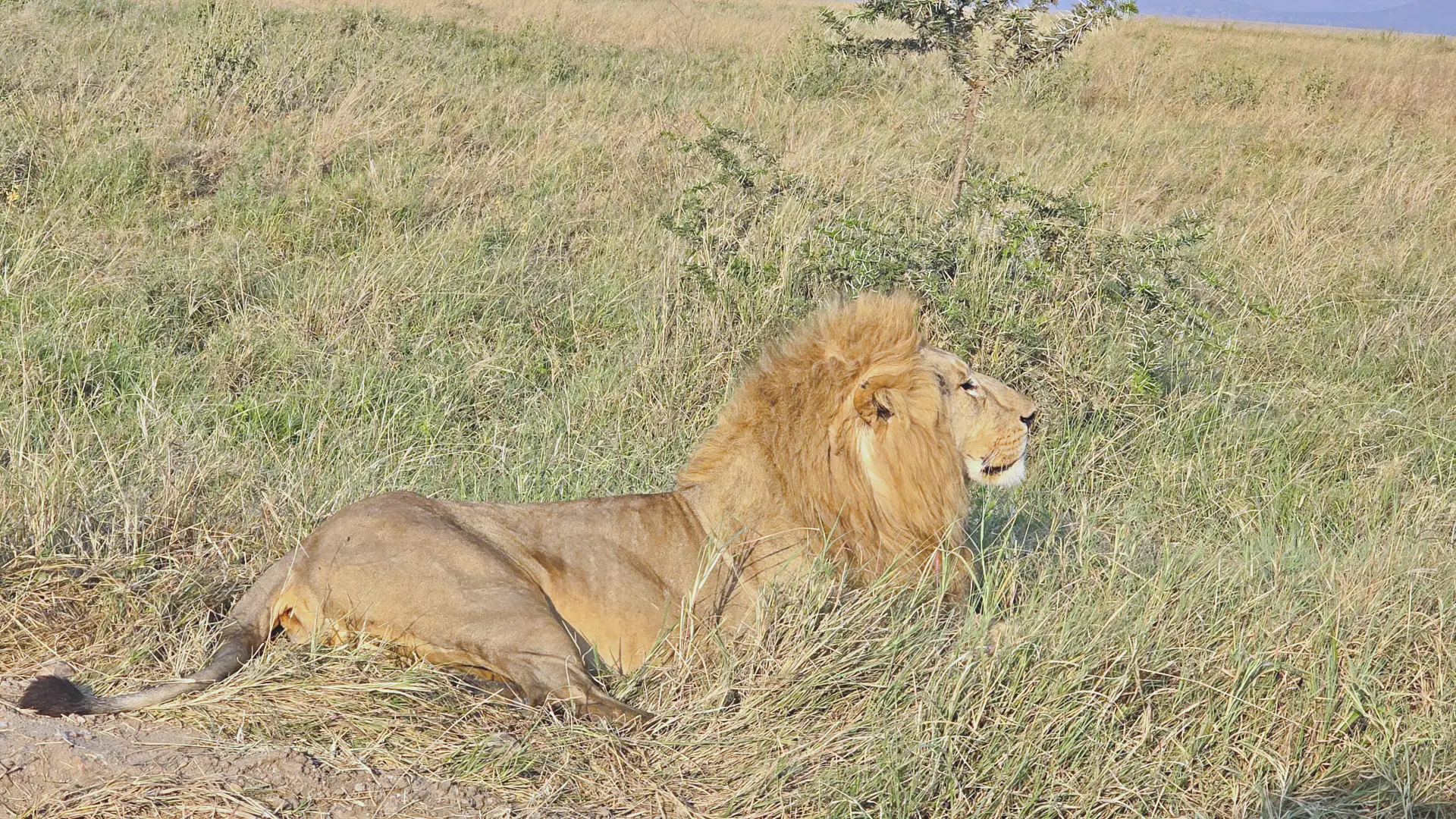
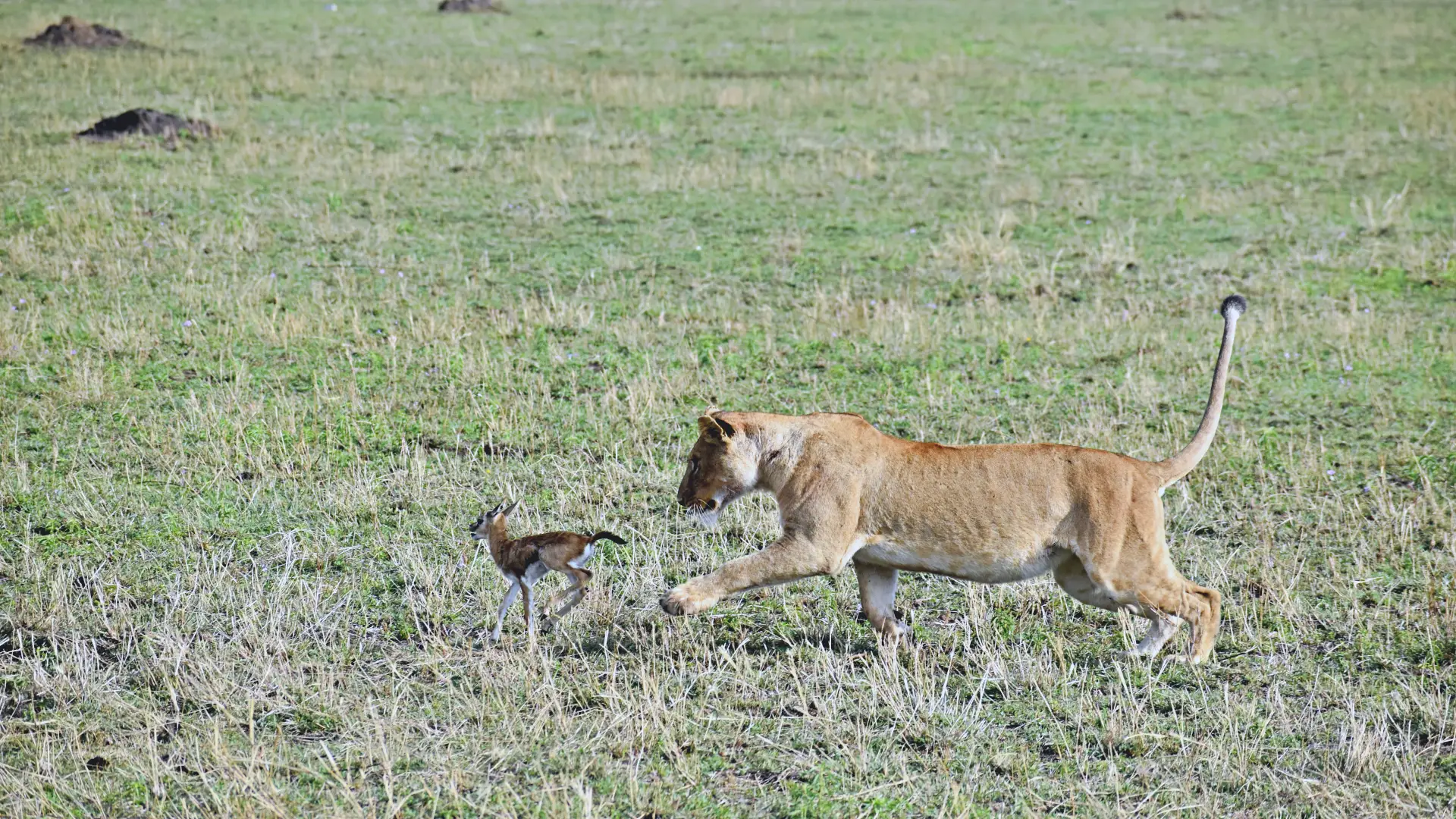
Serengeti supports large populations of herbivores such as wildebeest, zebra, and gazelle, alongside resident predators including lion, hyena, leopard, and cheetah. This balance between prey and predator has remained stable for generations.

Day 1 — Arusha to Central Serengeti

Day Activity

After entering Serengeti National Park, the afternoon is spent on a game drive toward the central campsite. This first drive serves as both wildlife viewing and ecological orientation to the Serengeti system.

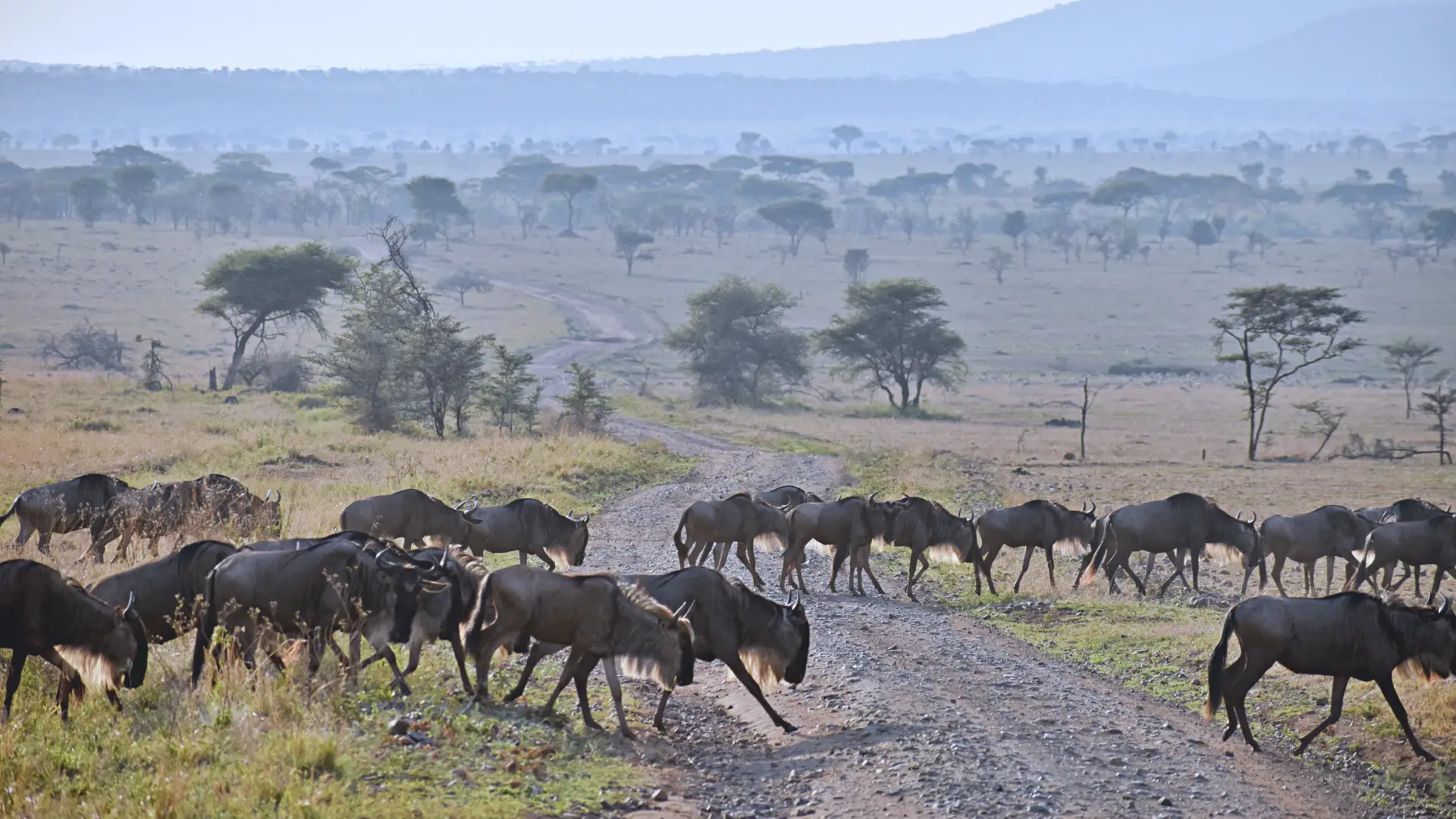
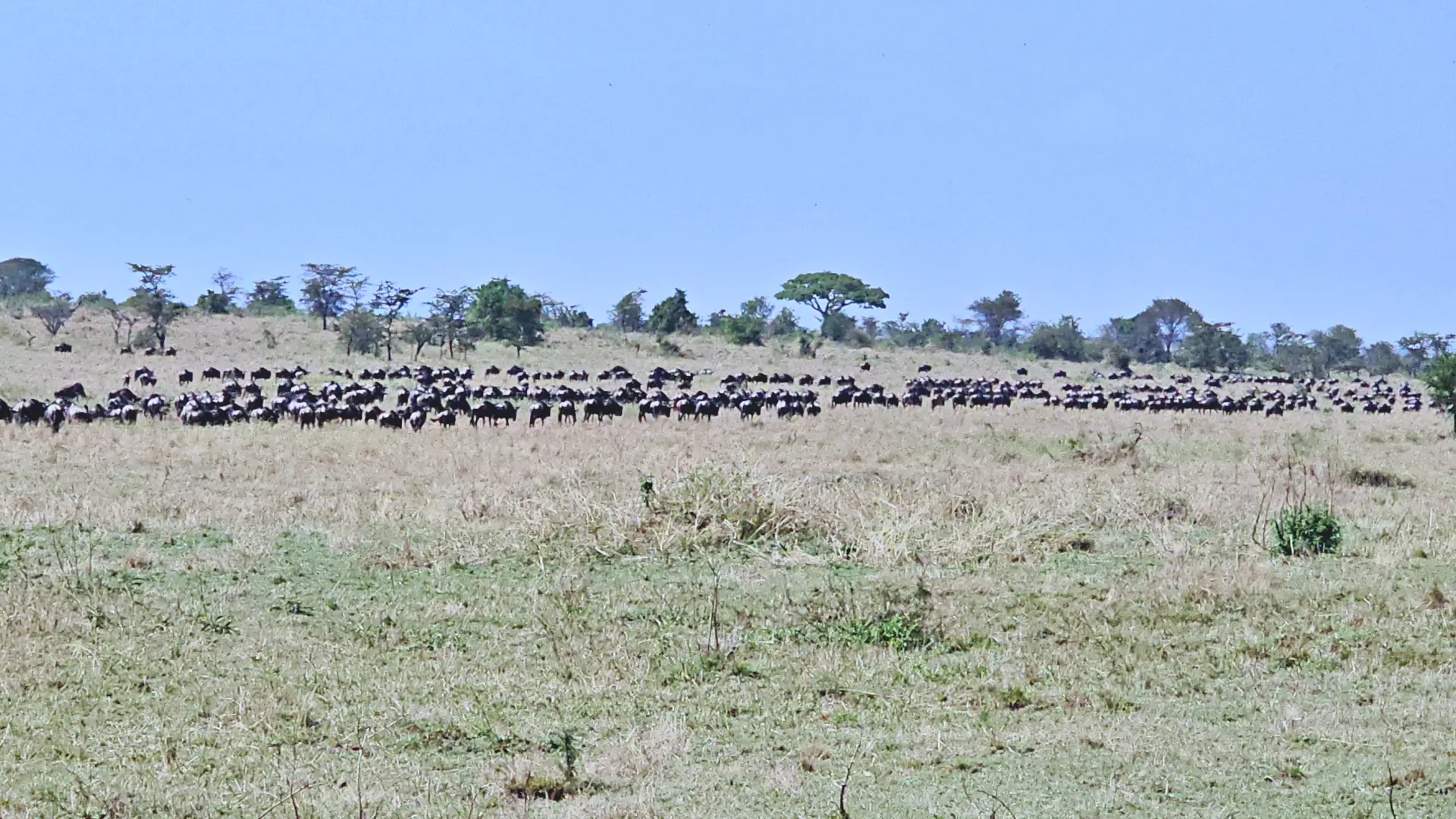
The route typically passes through open grazing areas and sections of acacia-dotted savannah where herbivores are often concentrated. Wildebeest and zebra are frequently encountered moving in loose feeding groups, while giraffes browse on mid-level vegetation beyond the reach of most grazers. Elephants may be seen navigating between feeding grounds, often using established paths that reflect long-term movement patterns.

Predators such as lions and hyenas are commonly found resting during daylight hours near kopjes or shaded areas, conserving energy for later activity. Your guide will interpret these behaviours in relation to temperature, prey distribution, and territorial structure.

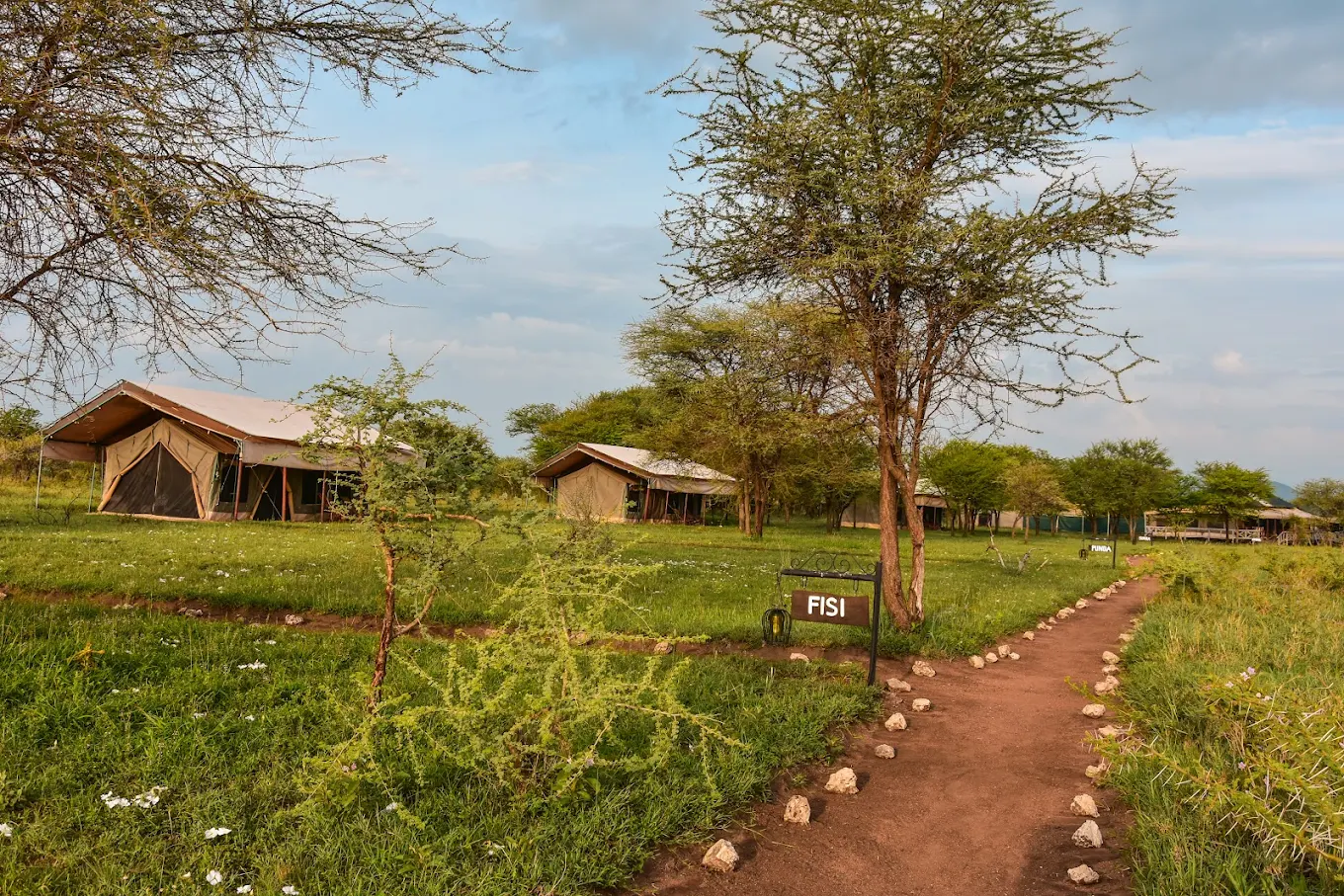
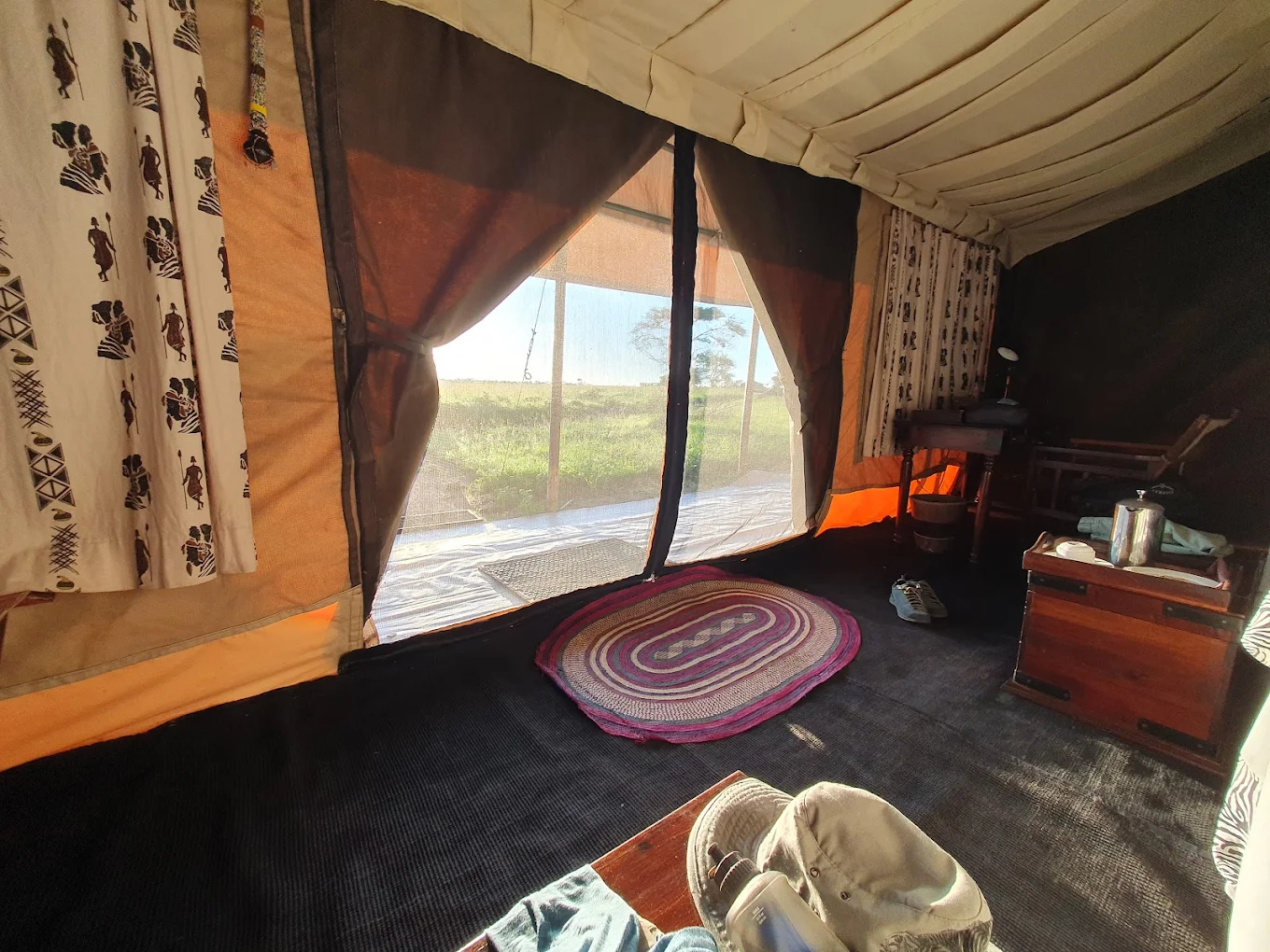
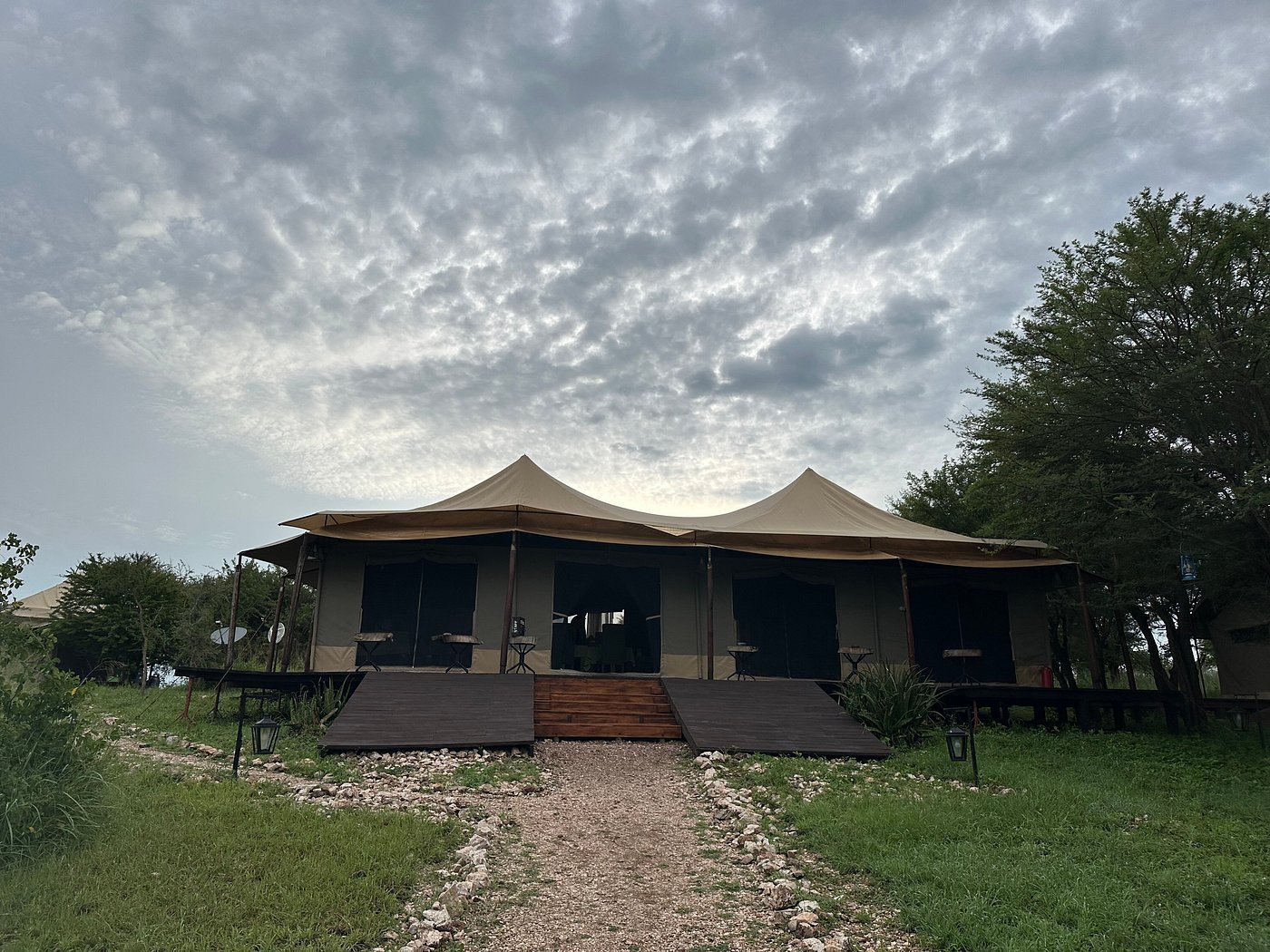
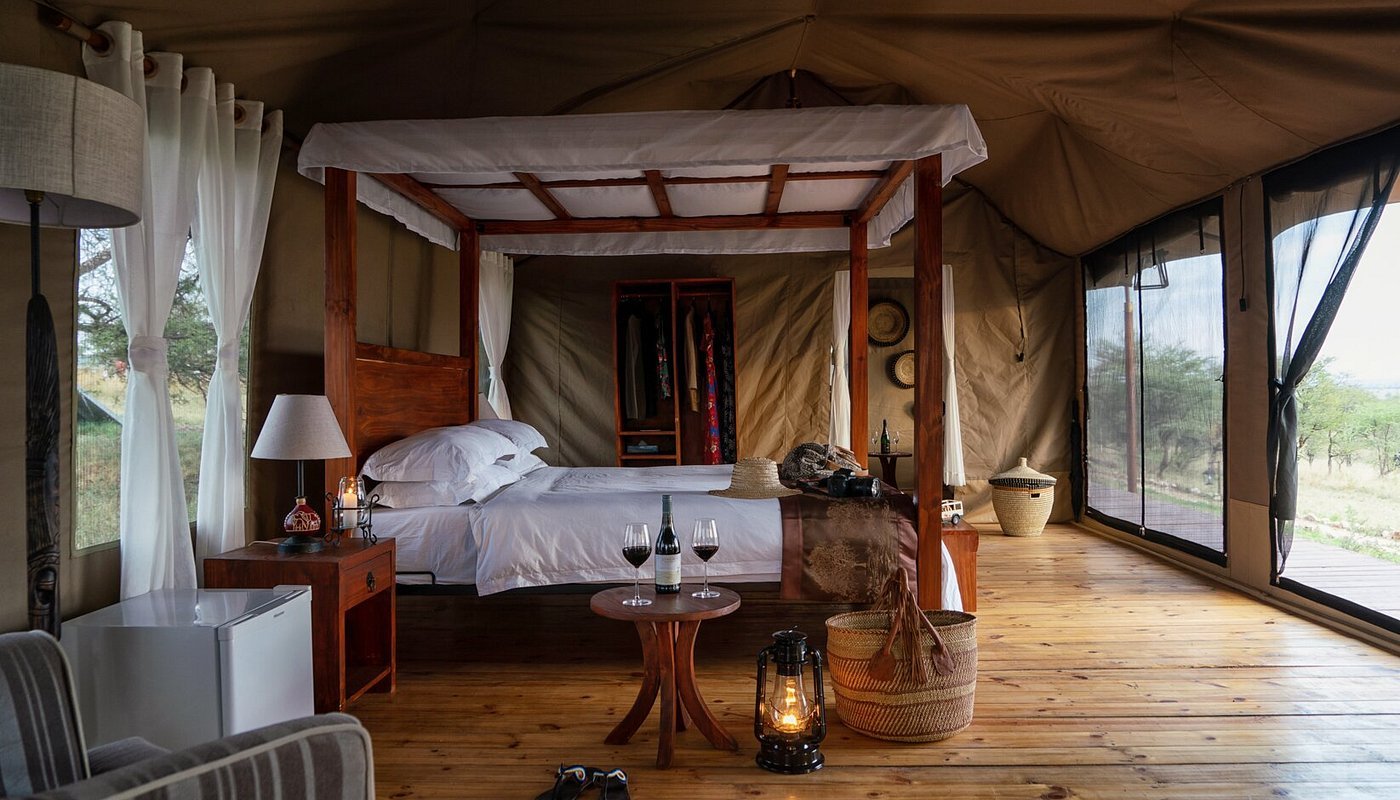
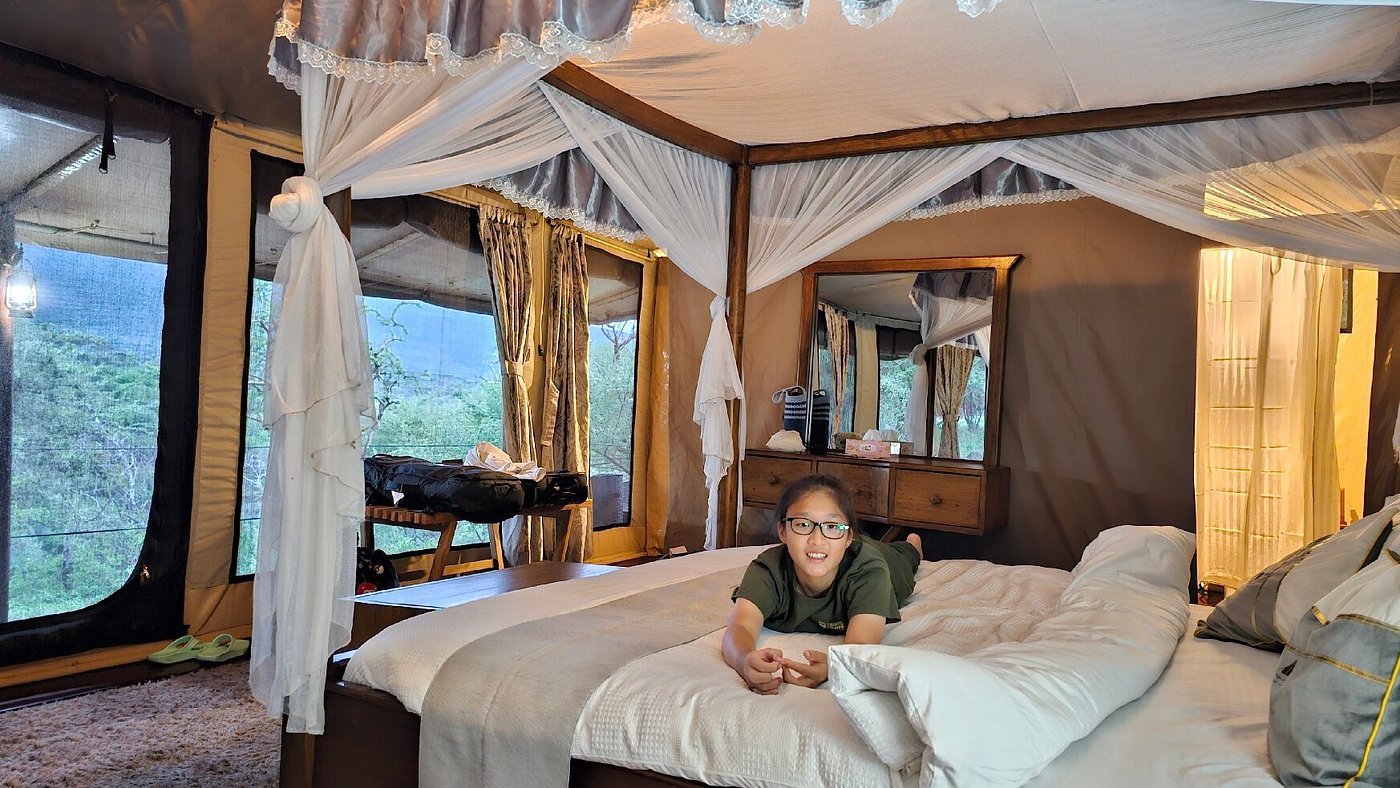
Accommodation: Serengeti Tanzania Bush Camp

Meals: FB

2 DAY

Day 2 — Central to Northern Serengeti

Destination

Northern Serengeti is quieter and more remote, defined by rolling savannah, river systems, and lower vehicle density.
When migration herds are in the area, this region becomes one of the most dramatic wildlife settings in Africa.

Day 2 — Central to Northern Serengeti

Day Activity

Game viewing continues throughout the journey north, effectively turning the transfer into a full-day safari drive.
Arrival in the north is usually in the afternoon, with time for a short evening game drive if conditions allow.

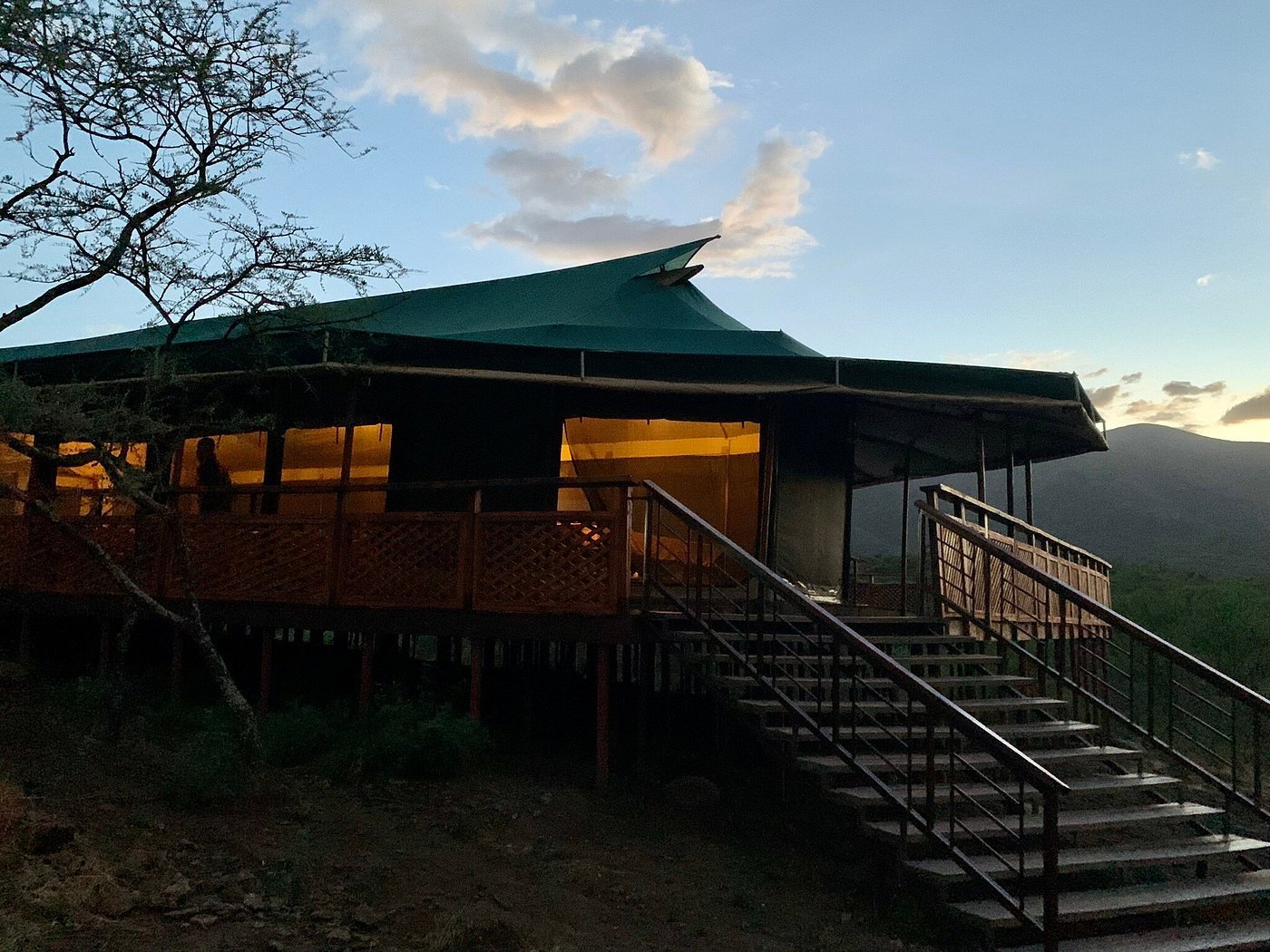
Accommodation: Matawi Serengeti Camp

Meals: FB

3 DAY

Day 3 — Full Day in Northern Serengeti

Destination

This region centers around the Mara River ecosystem, where migration crossings may occur seasonally, alongside resident lion, leopard, elephant, and large grazing herds.
Even outside peak crossing periods, wildlife density remains rewarding.

Day 3 — Full Day in Northern Serengeti

Day Activity

Morning and afternoon game drives follow herds, river activity, and predator behavior, with flexibility to remain at significant sightings. A picnic lunch in the bush keeps the day continuous and immersive.

Meals: FB

4 DAY

Day 4 — Northern Serengeti to Central Serengeti

Destination

Moving from the remote river systems of the north back into the open grasslands of central Serengeti reveals a clear ecological contrast.
While migration herds may shift seasonally, the central region maintains steady year-round wildlife and predator presence, making it a reliable place to continue the safari.

Day 4 — Northern Serengeti to Central Serengeti

Day Activity

The morning is spent tracking wildlife in the north, often focusing on riverine areas, grazing herds, and predator movement before departure.
Around midday, the drive continues south with a picnic lunch en route, turning the return journey into an extended game-viewing experience rather than simple transit.

Arrival in central Serengeti is usually in the late afternoon, with time to settle in and enjoy the quieter rhythm of the plains as the day comes to an end.

Accommodation: Overnight in Central Serengeti

Meals: FB

5 DAY

Day 5 — Central Serengeti to Ngorongoro Crater, then Arusha

Destination

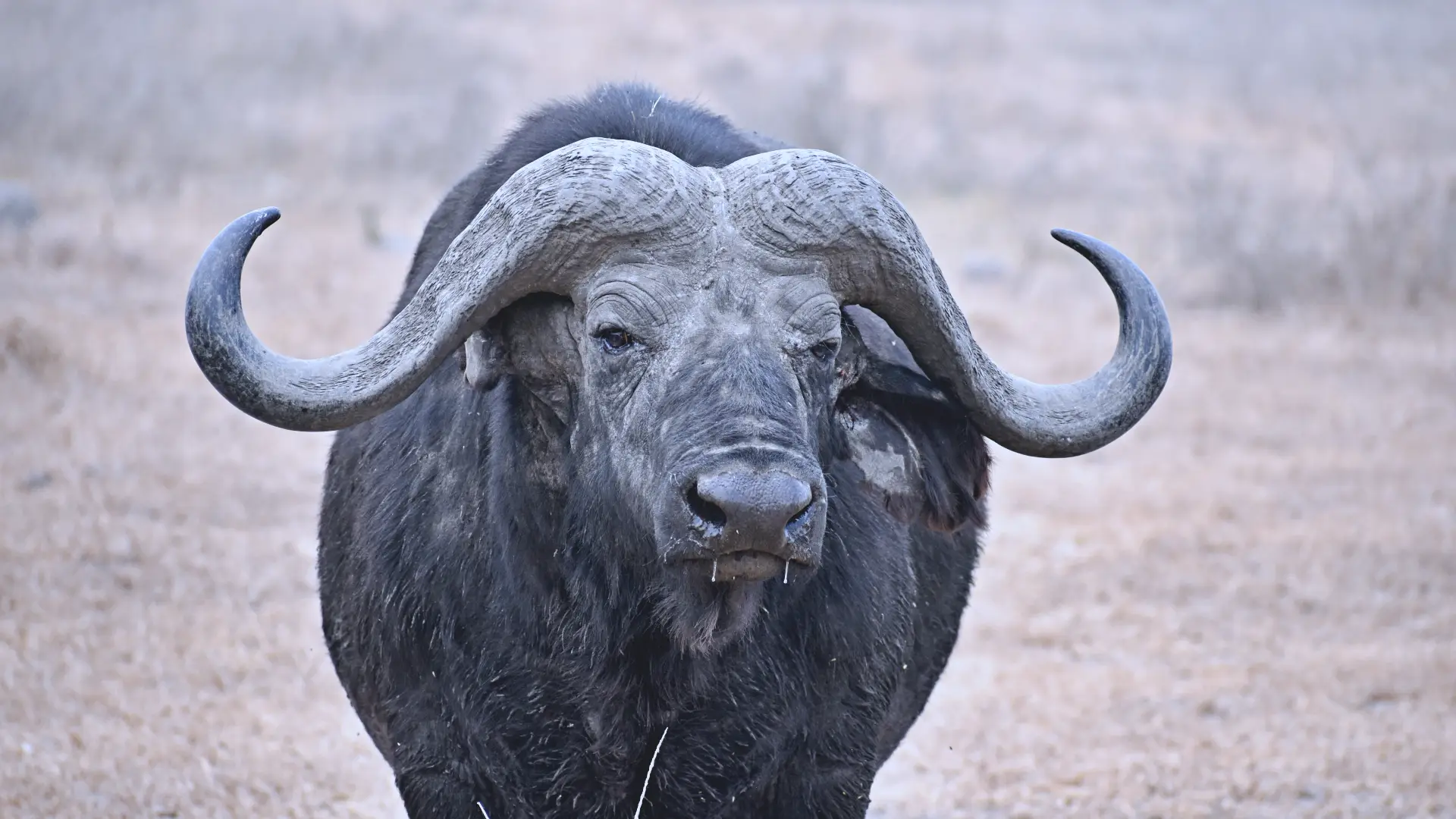
The Ngorongoro Crater forms a self-contained wildlife sanctuary with one of the highest animal concentrations in Africa, supporting lion, elephant, buffalo, hyena, and occasional black rhino.
Its enclosed geography creates reliable wildlife viewing throughout the year.

Day 5 — Central Serengeti to Ngorongoro Crater, then Arusha

Day Activity

After arriving at the crater rim, you descend to the floor for a focused game drive across open grasslands, forest patches, and lakeshore habitats where hippos and birdlife gather.
Time is managed carefully to balance unhurried wildlife observation with the return journey to Arusha.

Following the crater exploration, you ascend the crater wall and continue across the Ngorongoro highlands toward town, arriving in the late afternoon or early evening depending on travel conditions.

Meals: FB

Safari Itinerary

1 DAY

Day 1 — Arusha to Central Serengeti

Destination

Serengeti National Park is Tanzania’s most iconic safari destination, renowned for its vast open plains, exceptional wildlife density, and the world-famous Great Migration. Located in northern Tanzania, the park forms part of a larger ecosystem that extends into Kenya’s Maasai Mara, creating one of the most important wildlife corridors on Earth.

Key features include:

· Open grazing plains
· Granite kopjes used by predators
· Seasonal watercourses
· Riverine vegetation

Serengeti supports large populations of herbivores such as wildebeest, zebra, and gazelle, alongside resident predators including lion, hyena, leopard, and cheetah. This balance between prey and predator has remained stable for generations.

Day 1 — Arusha to Central Serengeti

Day Activity

After entering Serengeti National Park, the afternoon is spent on a game drive toward the central campsite. This first drive serves as both wildlife viewing and ecological orientation to the Serengeti system.

The route typically passes through open grazing areas and sections of acacia-dotted savannah where herbivores are often concentrated. Wildebeest and zebra are frequently encountered moving in loose feeding groups, while giraffes browse on mid-level vegetation beyond the reach of most grazers. Elephants may be seen navigating between feeding grounds, often using established paths that reflect long-term movement patterns.

Predators such as lions and hyenas are commonly found resting during daylight hours near kopjes or shaded areas, conserving energy for later activity. Your guide will interpret these behaviours in relation to temperature, prey distribution, and territorial structure.

Accommodation: Serengeti Tanzania Bush Camp
Meals: FB
2 DAY

Day 2 — Central to Northern Serengeti

Destination

Northern Serengeti is quieter and more remote, defined by rolling savannah, river systems, and lower vehicle density.
When migration herds are in the area, this region becomes one of the most dramatic wildlife settings in Africa.

Day 2 — Central to Northern Serengeti

Day Activity

Game viewing continues throughout the journey north, effectively turning the transfer into a full-day safari drive.
Arrival in the north is usually in the afternoon, with time for a short evening game drive if conditions allow.

Accommodation: Matawi Serengeti Camp
Meals: FB
3 DAY

Day 3 — Full Day in Northern Serengeti

Destination

This region centers around the Mara River ecosystem, where migration crossings may occur seasonally, alongside resident lion, leopard, elephant, and large grazing herds.
Even outside peak crossing periods, wildlife density remains rewarding.

Day 3 — Full Day in Northern Serengeti

Day Activity

Morning and afternoon game drives follow herds, river activity, and predator behavior, with flexibility to remain at significant sightings. A picnic lunch in the bush keeps the day continuous and immersive.

Meals: FB
4 DAY

Day 4 — Northern Serengeti to Central Serengeti

Destination

Moving from the remote river systems of the north back into the open grasslands of central Serengeti reveals a clear ecological contrast.
While migration herds may shift seasonally, the central region maintains steady year-round wildlife and predator presence, making it a reliable place to continue the safari.

Day 4 — Northern Serengeti to Central Serengeti

Day Activity

The morning is spent tracking wildlife in the north, often focusing on riverine areas, grazing herds, and predator movement before departure.
Around midday, the drive continues south with a picnic lunch en route, turning the return journey into an extended game-viewing experience rather than simple transit.

Arrival in central Serengeti is usually in the late afternoon, with time to settle in and enjoy the quieter rhythm of the plains as the day comes to an end.

Accommodation: Overnight in Central Serengeti
Meals: FB
5 DAY

Day 5 — Central Serengeti to Ngorongoro Crater, then Arusha

Destination

The Ngorongoro Crater forms a self-contained wildlife sanctuary with one of the highest animal concentrations in Africa, supporting lion, elephant, buffalo, hyena, and occasional black rhino.
Its enclosed geography creates reliable wildlife viewing throughout the year.

Day 5 — Central Serengeti to Ngorongoro Crater, then Arusha

Day Activity

After arriving at the crater rim, you descend to the floor for a focused game drive across open grasslands, forest patches, and lakeshore habitats where hippos and birdlife gather.
Time is managed carefully to balance unhurried wildlife observation with the return journey to Arusha.

Following the crater exploration, you ascend the crater wall and continue across the Ngorongoro highlands toward town, arriving in the late afternoon or early evening depending on travel conditions.

Meals: FB

Tour Cost

The prices below are shown per person and vary depending on the number of travellers and accommodation category selected. Each range reflects real operating costs, including park and conservation fees (with VAT and other applicable taxes), vehicle use, crater service fees, and accommodation in the chosen category.


Because lodge rates and availability can vary seasonally, we present a minimum–maximum range rather than a fixed number. As group size increases, shared costs are reduced, which lowers the overall price per traveller. Final quotations are confirmed based on exact travel dates and selected lodges.

Tour Cost Includes

Tour Cost Includes

Featured Safaris

Looking to Join Shared Safari?

Check Availability & Start Planning

Shared Safari Form

Safari Inquiry Form