4 Days · Tanzania Safari

4-Day Mikumi and Udzungwa Mountains Safari

Tour Overview

Overview

This four-day journey from Dar es Salaam explores two distinct southern ecosystems: the open savannah of Mikumi National Park and the forested mountain slopes of Udzungwa Mountains National Park.

The itinerary blends classic wildlife viewing with guided hiking, offering a balance between game drives and immersive landscape exploration.

Route Summary

DAY 1: Dar es Salaam Mikumi National Park

DAY 2: Full Day Mikumi Safari Transfer to Udzungwa

Day 3: Udzungwa Mountains Trekking

Day 4: Udzungwa Return to Dar es Salaam

Highlights

Safari Itinerary

1 DAY

DAY 1 - Dar es Salaam → Mikumi National Park

Destination

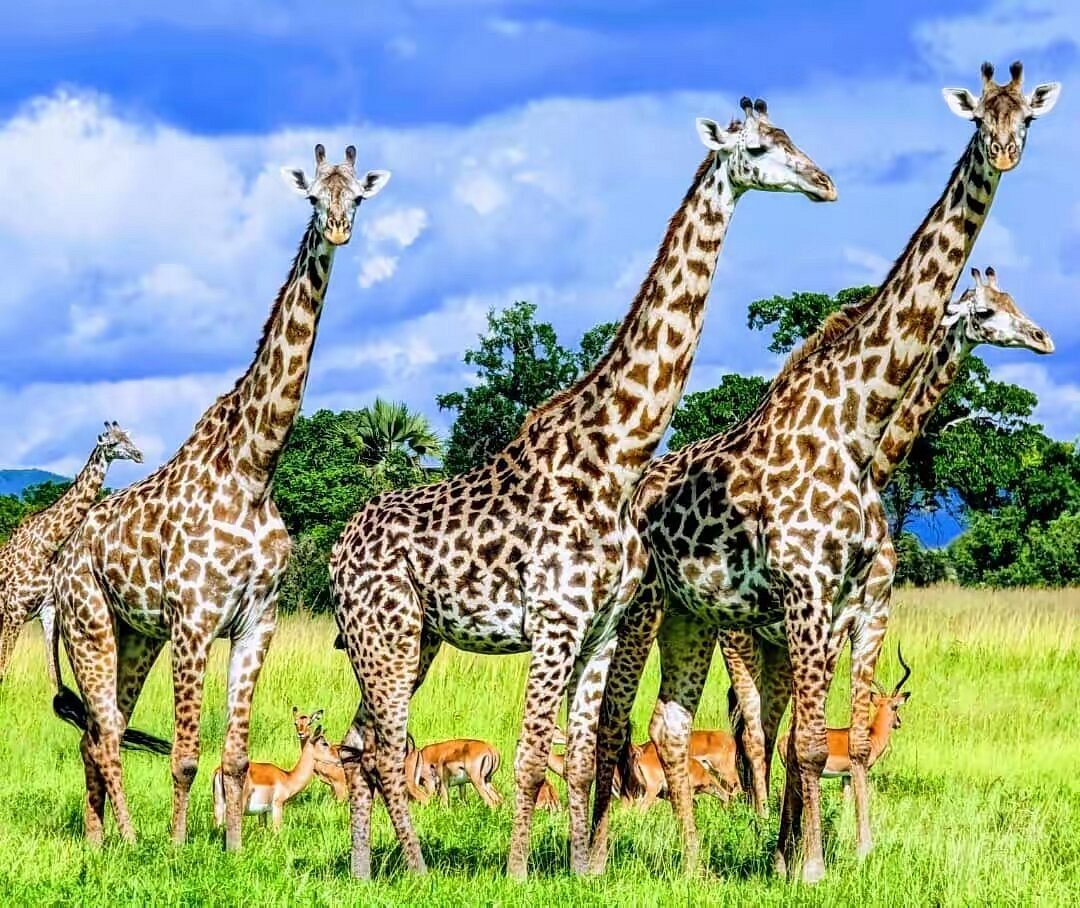
Mikumi National Park forms the northern edge of the greater Nyerere ecosystem and is geographically shaped by the Mkata River floodplain. The park’s defining feature is the wide, open Mkata plain — a grassland basin bordered by low ridges and backed by the Uluguru Mountains.

Unlike forested southern reserves, Mikumi’s visibility allows extended wildlife observation across long distances. Seasonal water retention in the floodplain supports year-round herbivore populations, including zebra, wildebeest, buffalo, and large eland herds. These grazing systems in turn sustain resident lion prides and spotted hyena clans.

The park’s vegetation shifts gradually from open savannah to acacia woodland and miombo fringes toward its boundaries, creating ecological transitions that influence animal distribution. During the dry season, wildlife concentrates near permanent waterholes and the Mkata River channels, while in greener months animals disperse across the plains.

Mikumi serves as a natural ecological bridge between Tanzania’s eastern and southern safari circuits.

DAY 1 - Dar es Salaam → Mikumi National Park

Day Activity

After lodge check-in and lunch (depending on arrival time), an afternoon game drive begins across the Mkata Floodplain.

Expect sightings of:

>Elephant herds moving between acacia clusters

>Lions resting under shade trees

>Giraffe browsing at woodland edges

>Hippo pods in permanent waterholes

Wildlife viewing continues until sunset before returning to camp.

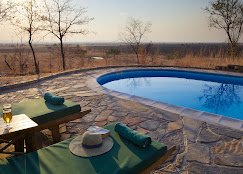
Accommodation: Stanley’s Kopje Camp

Meals: FB

2 DAY

DAY 2: Full Day Mikumi Safari → Transfer to Udzungwa

Destination

The transition from Mikumi’s floodplains to Udzungwa’s forested terrain marks a dramatic ecological shift. As you approach the mountains, vegetation thickens and temperatures cool slightly.

DAY 2: Full Day Mikumi Safari → Transfer to Udzungwa

Day Activity

Morning game drive focuses on areas not covered the previous day, targeting predator movement during cooler hours.

After lunch, depart by road toward Udzungwa Mountains National Park (approx. 1.5–2 hours).

Arrive at lodge near park entrance in late afternoon.

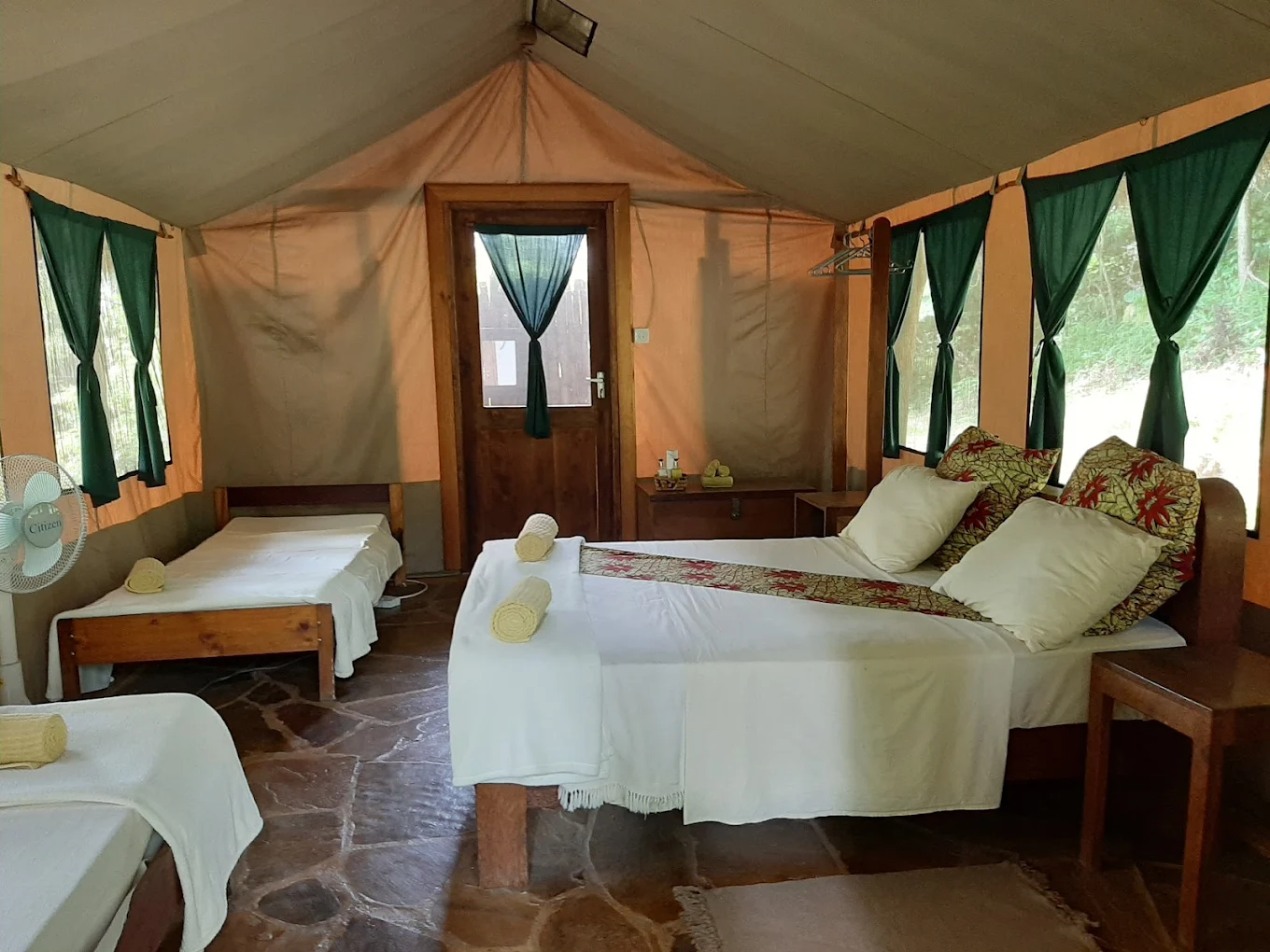
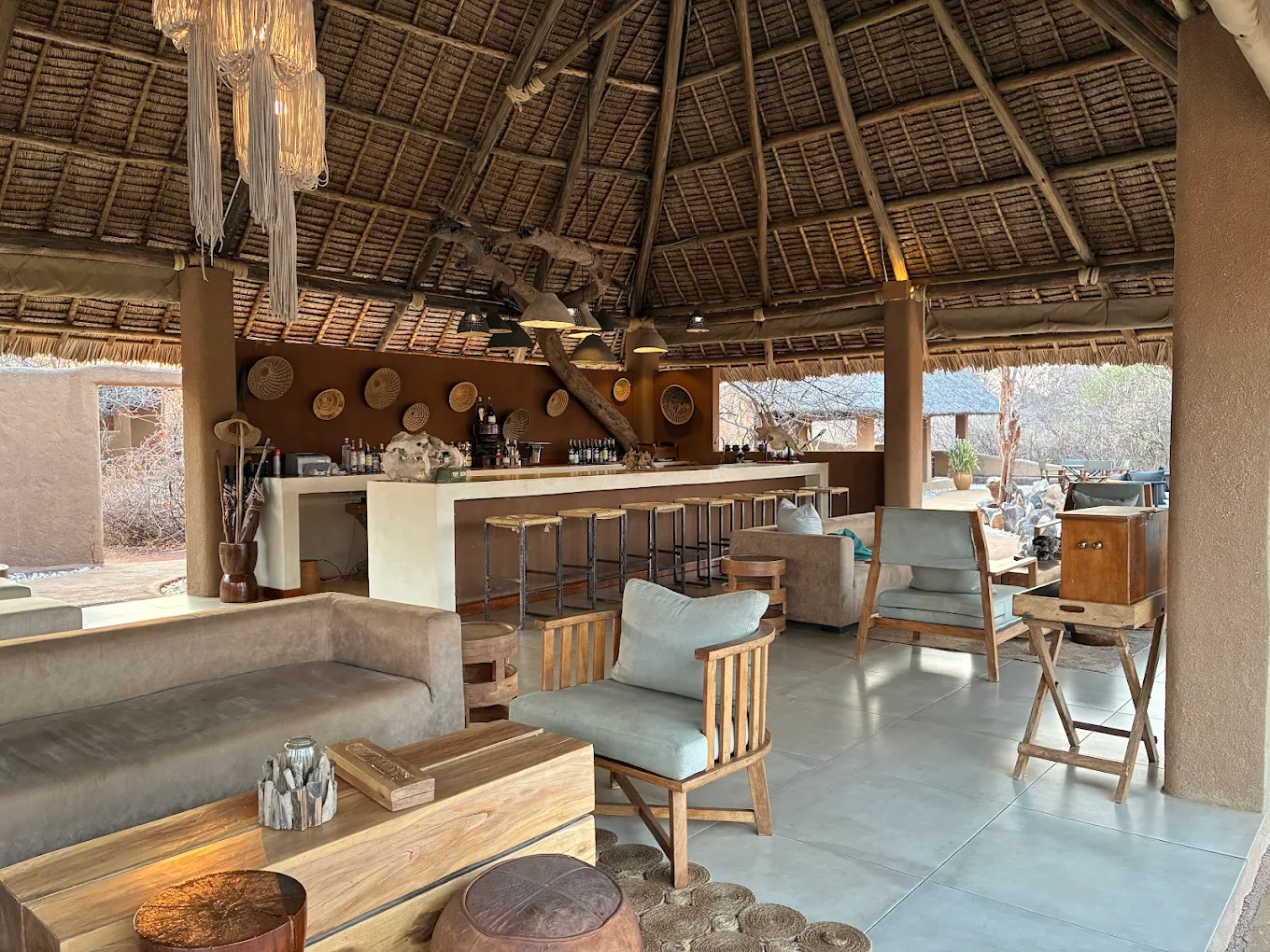
Accommodation: Udzungwa Forest Tented Camp

Meals: FB

3 DAY

Day 3 - Udzungwa Mountains Trekking

Destination

Udzungwa Mountains National Park forms part of the Eastern Arc mountain chain, an ancient forest system estimated to be over 30 million years old. Unlike volcanic highlands found in northern Tanzania, the Udzungwa range is tectonic in origin, creating steep ridgelines, dense valleys, and permanent river systems.

These forests act as critical water catchment zones feeding the Kilombero Valley below. Rainfall patterns are influenced by Indian Ocean moisture currents, resulting in humid lowland forest, montane forest at higher elevations, and a high concentration of endemic species.

The park is internationally recognised for its primate diversity, including the Iringa red colobus and the Sanje mangabey — species found nowhere else on Earth. Birdlife is abundant, and plant diversity reflects long-term ecological isolation.

Unlike traditional vehicle-based safari parks, Udzungwa is explored on foot. Its value lies not in large predator sightings, but in immersion within a functioning tropical ecosystem shaped by altitude, rainfall, and forest succession.

Day 3 - Udzungwa Mountains Trekking

Day Activity

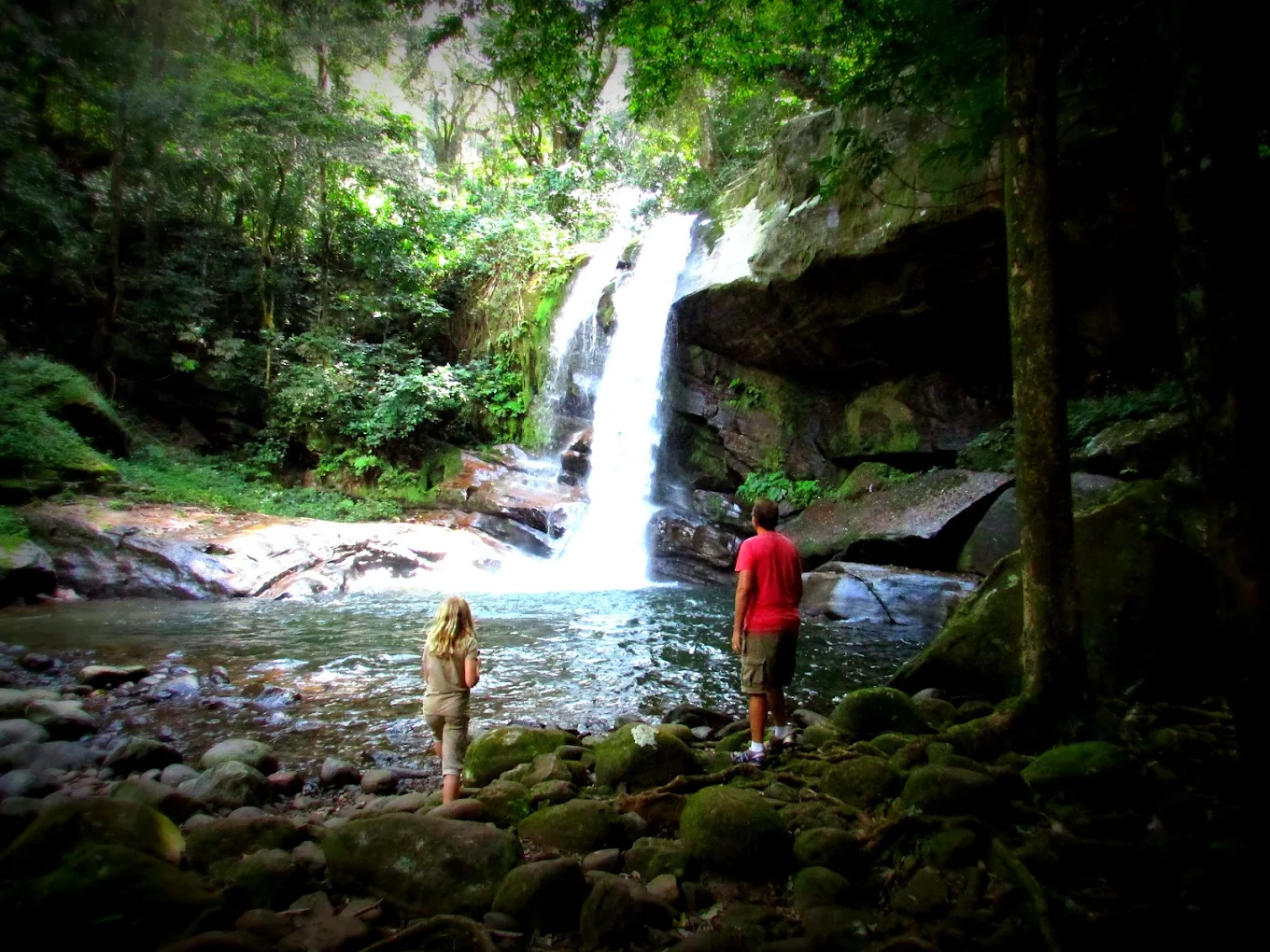
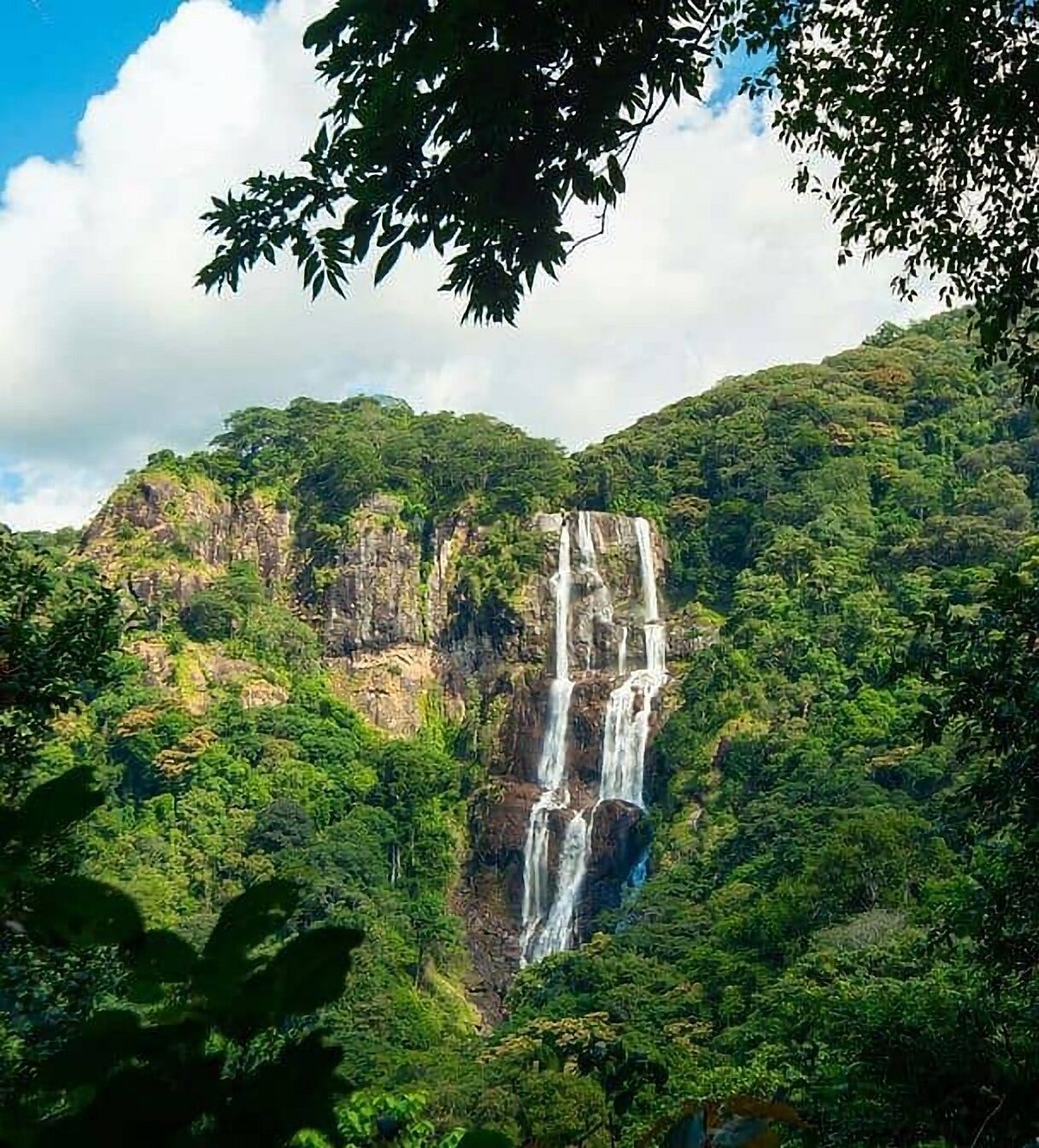
Morning guided hike to Sanje Waterfalls (moderate difficulty, approx. 4–5 hours round trip).

The trail passes through:

>Lowland rainforest

>Butterfly-rich clearings

>Monkey habitats

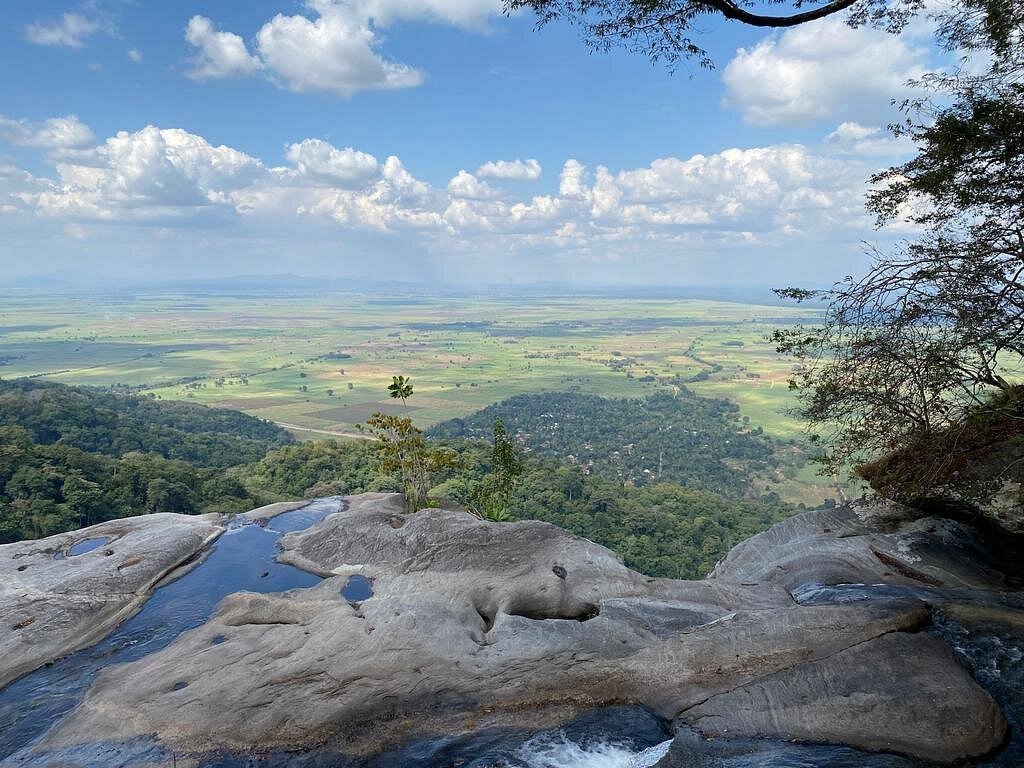
At the waterfall summit, panoramic views stretch across the Kilombero Valley. Swimming is possible in designated pools depending on conditions.

Afternoon at leisure or short village walk.

Meals: FB

4 DAY

Day 4: Udzungwa → Return to Dar es Salaam
Destination

The return journey from Udzungwa toward Dar es Salaam passes through the Kilombero Valley and Morogoro region — an agricultural and ecological transition zone influenced by mountain runoff and coastal climate.

The Uluguru Mountains rise prominently near Morogoro, forming another component of the Eastern Arc system. These mountains regulate rainfall patterns and historically shaped trade routes linking the interior to the coast.

As the landscape gradually flattens toward the Indian Ocean basin, vegetation shifts from forested highlands to coastal savannah and mixed woodland. This corridor historically connected inland ecosystems to maritime trade centres, making Dar es Salaam not just a departure point, but part of a broader geographic system linking river basins, mountains, and coast.

Even on a transfer day, the route reflects Tanzania’s layered environmental structure.

Day 4:  Udzungwa → Return to Dar es Salaam
Day Activity

After breakfast, depart by road toward Dar es Salaam (approx. 5–6 hours).

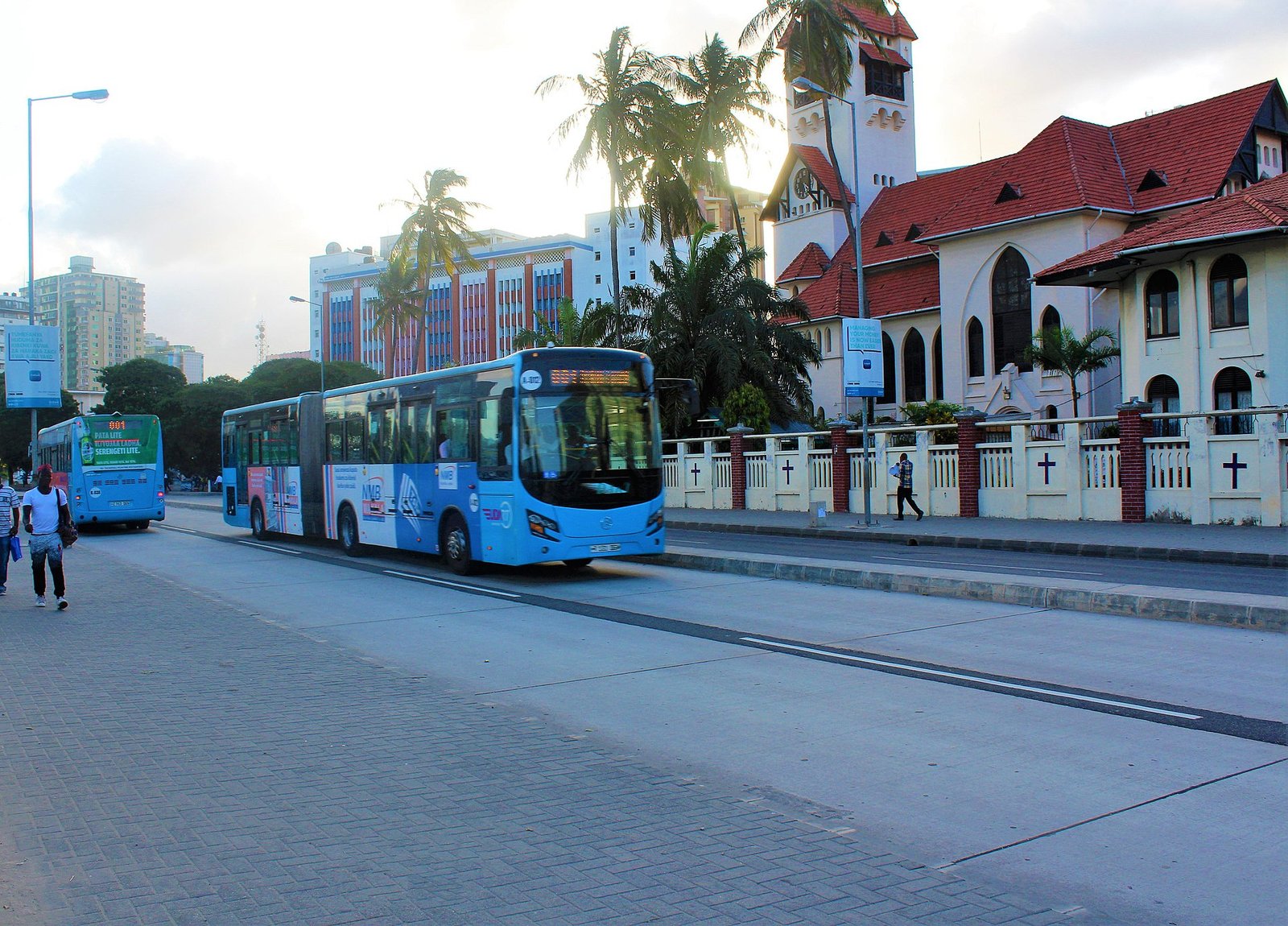
Optional stop in Morogoro town for refreshments. Arrival in Dar es Salaam in the afternoon. Drop-off at hotel or airport.

Meals: FB

Safari Itinerary

1 DAY

DAY 1 - Dar es Salaam → Mikumi National Park

Destination

Mikumi National Park forms the northern edge of the greater Nyerere ecosystem and is geographically shaped by the Mkata River floodplain. The park’s defining feature is the wide, open Mkata plain — a grassland basin bordered by low ridges and backed by the Uluguru Mountains.

Unlike forested southern reserves, Mikumi’s visibility allows extended wildlife observation across long distances. Seasonal water retention in the floodplain supports year-round herbivore populations, including zebra, wildebeest, buffalo, and large eland herds. These grazing systems in turn sustain resident lion prides and spotted hyena clans.

The park’s vegetation shifts gradually from open savannah to acacia woodland and miombo fringes toward its boundaries, creating ecological transitions that influence animal distribution. During the dry season, wildlife concentrates near permanent waterholes and the Mkata River channels, while in greener months animals disperse across the plains.

Mikumi serves as a natural ecological bridge between Tanzania’s eastern and southern safari circuits.

DAY 1 - Dar es Salaam → Mikumi National Park

Day Activity

After lodge check-in and lunch (depending on arrival time), an afternoon game drive begins across the Mkata Floodplain.

Expect sightings of:

>Elephant herds moving between acacia clusters

>Lions resting under shade trees

>Giraffe browsing at woodland edges

>Hippo pods in permanent waterholes

Wildlife viewing continues until sunset before returning to camp.

Accommodation: Stanley’s Kopje Camp
Meals: FB
2 DAY

DAY 2: Full Day Mikumi Safari → Transfer to Udzungwa

Destination

The transition from Mikumi’s floodplains to Udzungwa’s forested terrain marks a dramatic ecological shift. As you approach the mountains, vegetation thickens and temperatures cool slightly.

DAY 2: Full Day Mikumi Safari → Transfer to Udzungwa

Day Activity

Morning game drive focuses on areas not covered the previous day, targeting predator movement during cooler hours.

After lunch, depart by road toward Udzungwa Mountains National Park (approx. 1.5–2 hours).

Arrive at lodge near park entrance in late afternoon.

Accommodation: Udzungwa Forest Tented Camp
Meals: FB
3 DAY

Day 3 - Udzungwa Mountains Trekking

Destination

Udzungwa Mountains National Park forms part of the Eastern Arc mountain chain, an ancient forest system estimated to be over 30 million years old. Unlike volcanic highlands found in northern Tanzania, the Udzungwa range is tectonic in origin, creating steep ridgelines, dense valleys, and permanent river systems.

These forests act as critical water catchment zones feeding the Kilombero Valley below. Rainfall patterns are influenced by Indian Ocean moisture currents, resulting in humid lowland forest, montane forest at higher elevations, and a high concentration of endemic species.

The park is internationally recognised for its primate diversity, including the Iringa red colobus and the Sanje mangabey — species found nowhere else on Earth. Birdlife is abundant, and plant diversity reflects long-term ecological isolation.

Unlike traditional vehicle-based safari parks, Udzungwa is explored on foot. Its value lies not in large predator sightings, but in immersion within a functioning tropical ecosystem shaped by altitude, rainfall, and forest succession.

Day 3 - Udzungwa Mountains Trekking

Day Activity

Morning guided hike to Sanje Waterfalls (moderate difficulty, approx. 4–5 hours round trip).

The trail passes through:

>Lowland rainforest

>Butterfly-rich clearings

>Monkey habitats

At the waterfall summit, panoramic views stretch across the Kilombero Valley. Swimming is possible in designated pools depending on conditions.

Afternoon at leisure or short village walk.

Meals: FB
4 DAY

Day 4: Udzungwa → Return to Dar es Salaam
Destination

The return journey from Udzungwa toward Dar es Salaam passes through the Kilombero Valley and Morogoro region — an agricultural and ecological transition zone influenced by mountain runoff and coastal climate.

The Uluguru Mountains rise prominently near Morogoro, forming another component of the Eastern Arc system. These mountains regulate rainfall patterns and historically shaped trade routes linking the interior to the coast.

As the landscape gradually flattens toward the Indian Ocean basin, vegetation shifts from forested highlands to coastal savannah and mixed woodland. This corridor historically connected inland ecosystems to maritime trade centres, making Dar es Salaam not just a departure point, but part of a broader geographic system linking river basins, mountains, and coast.

Even on a transfer day, the route reflects Tanzania’s layered environmental structure.

Day 4:  Udzungwa → Return to Dar es Salaam
Day Activity

After breakfast, depart by road toward Dar es Salaam (approx. 5–6 hours).

Optional stop in Morogoro town for refreshments. Arrival in Dar es Salaam in the afternoon. Drop-off at hotel or airport.

Meals: FB

Tour Cost

The prices below are shown per person and vary depending on the number of travellers and accommodation category selected. Each range reflects real operating costs, including park and conservation fees (with VAT and other applicable taxes), vehicle use, crater service fees, and accommodation in the chosen category.


Because lodge rates and availability can vary seasonally, we present a minimum–maximum range rather than a fixed number. As group size increases, shared costs are reduced, which lowers the overall price per traveller. Final quotations are confirmed based on exact travel dates and selected lodges.

Tour Cost Includes

Tour Cost Includes

Featured Safaris

Looking to Join Shared Safari?

Check Availability & Start Planning

Shared Safari Form

Safari Inquiry Form