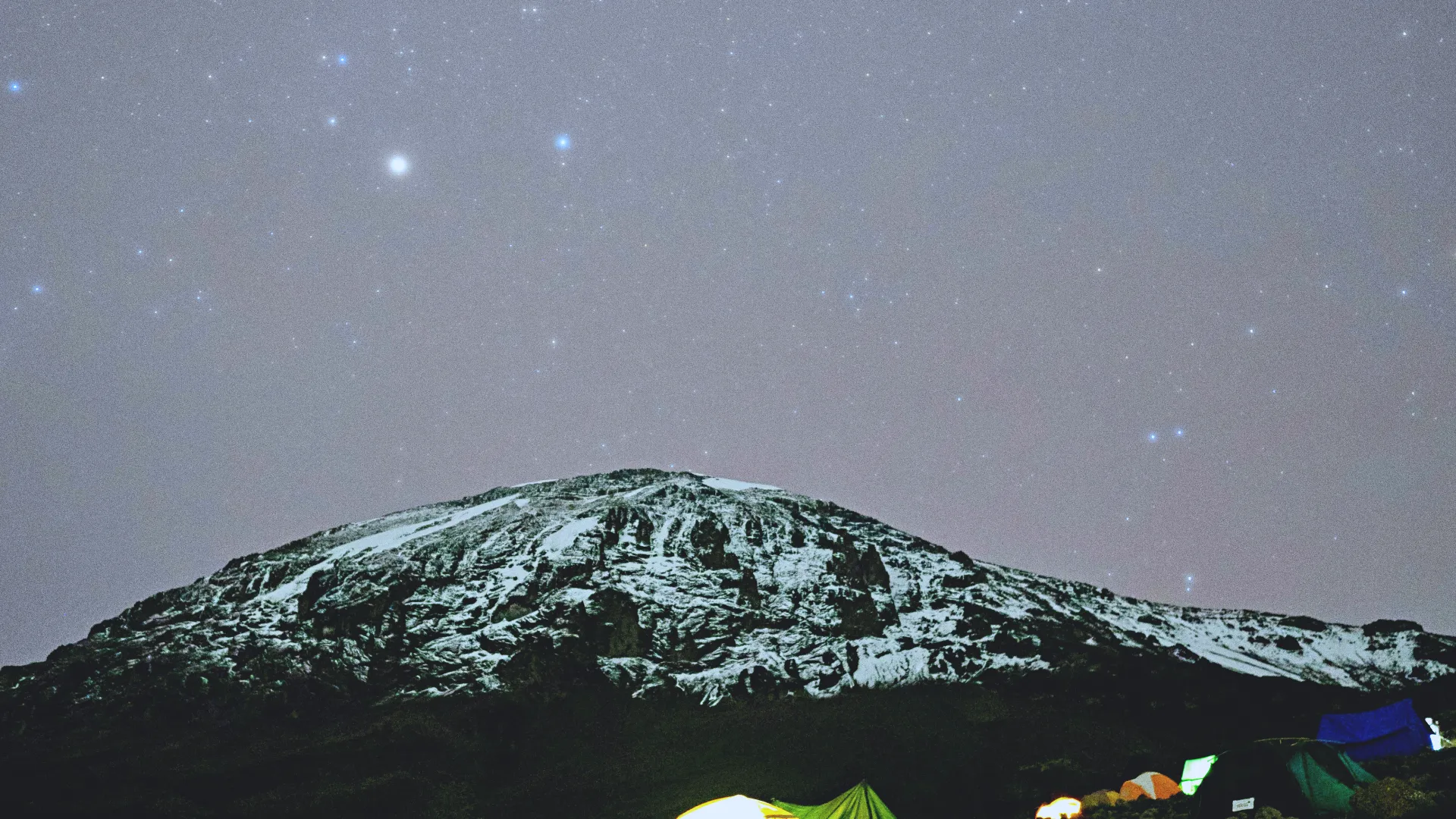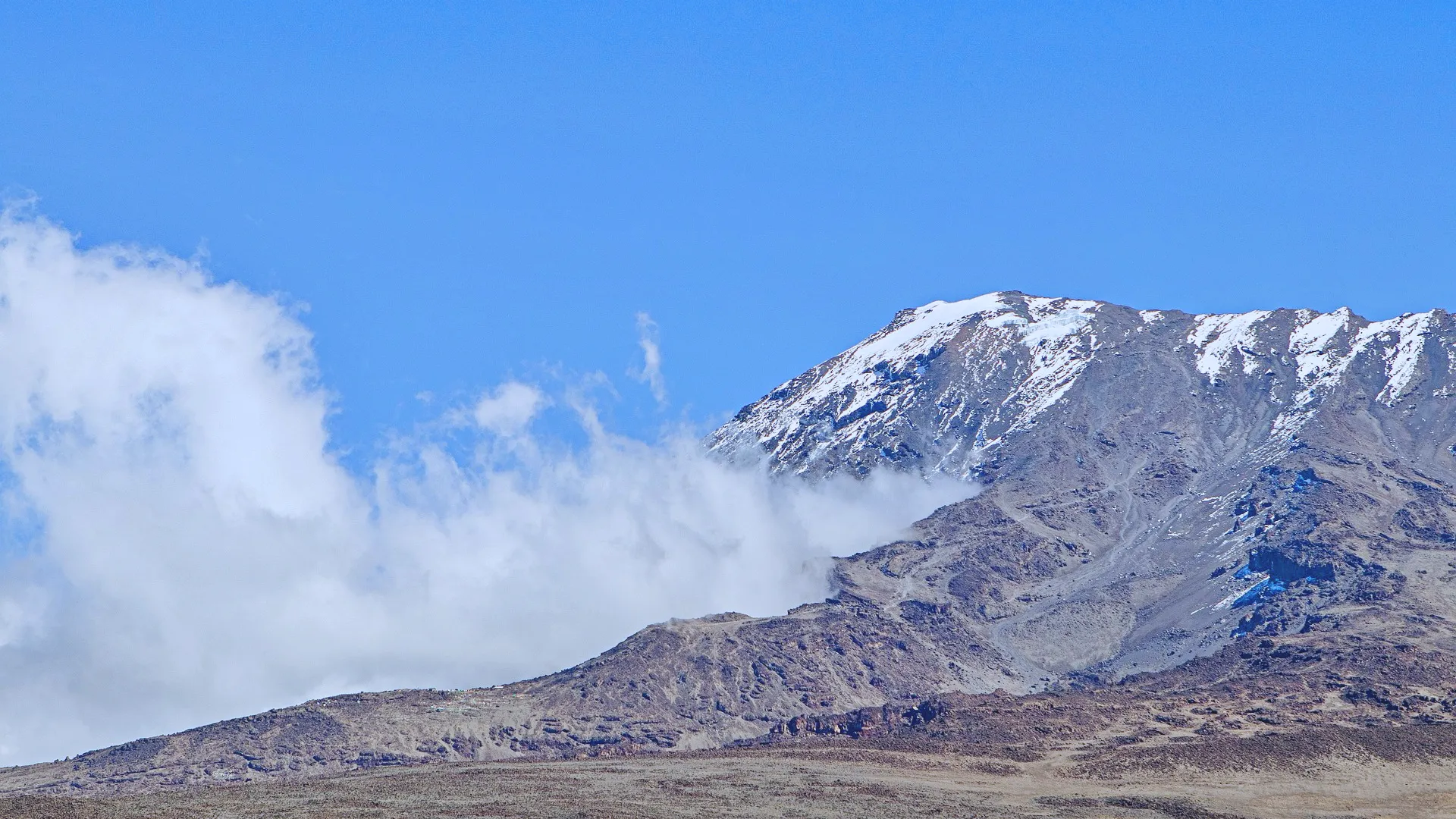
A slow and scenic ascent across Kilimanjaro’s quiet western flank.
View full itinerary ↓
A complete checklist refined from real expeditions, covering clothing, equipment, and high-altitude essentials.
Home » Kilimanjaro routes » Lemosho Route
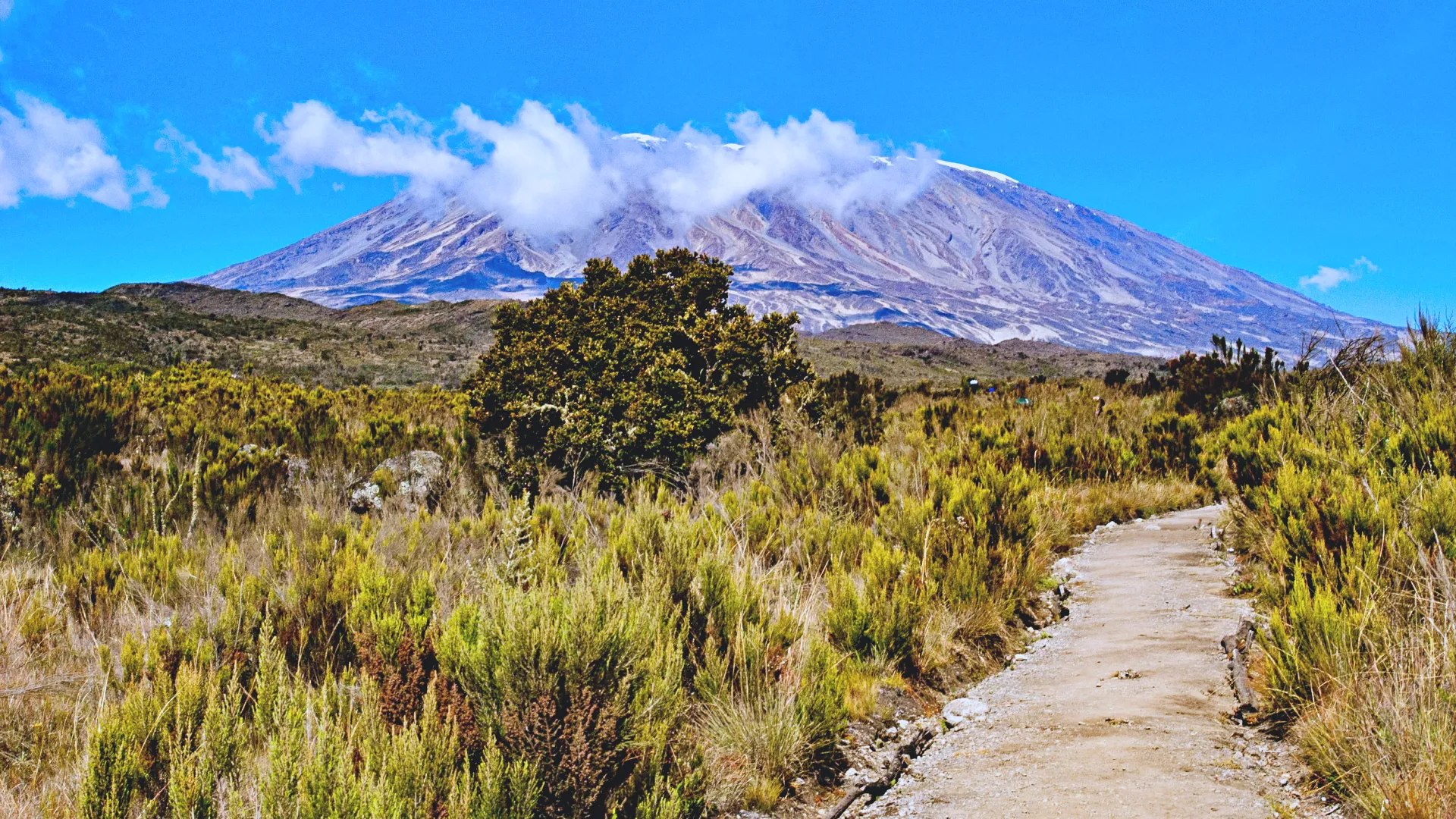
The journey along the Lemosho Route begins in deep rainforest on Kilimanjaro’s quiet western flank, where filtered light moves through ancient trees and the sounds of the lowland world slowly fade behind you. From the first steps, the pace feels unhurried and intentional, allowing the mountain to reveal itself gradually rather than all at once.
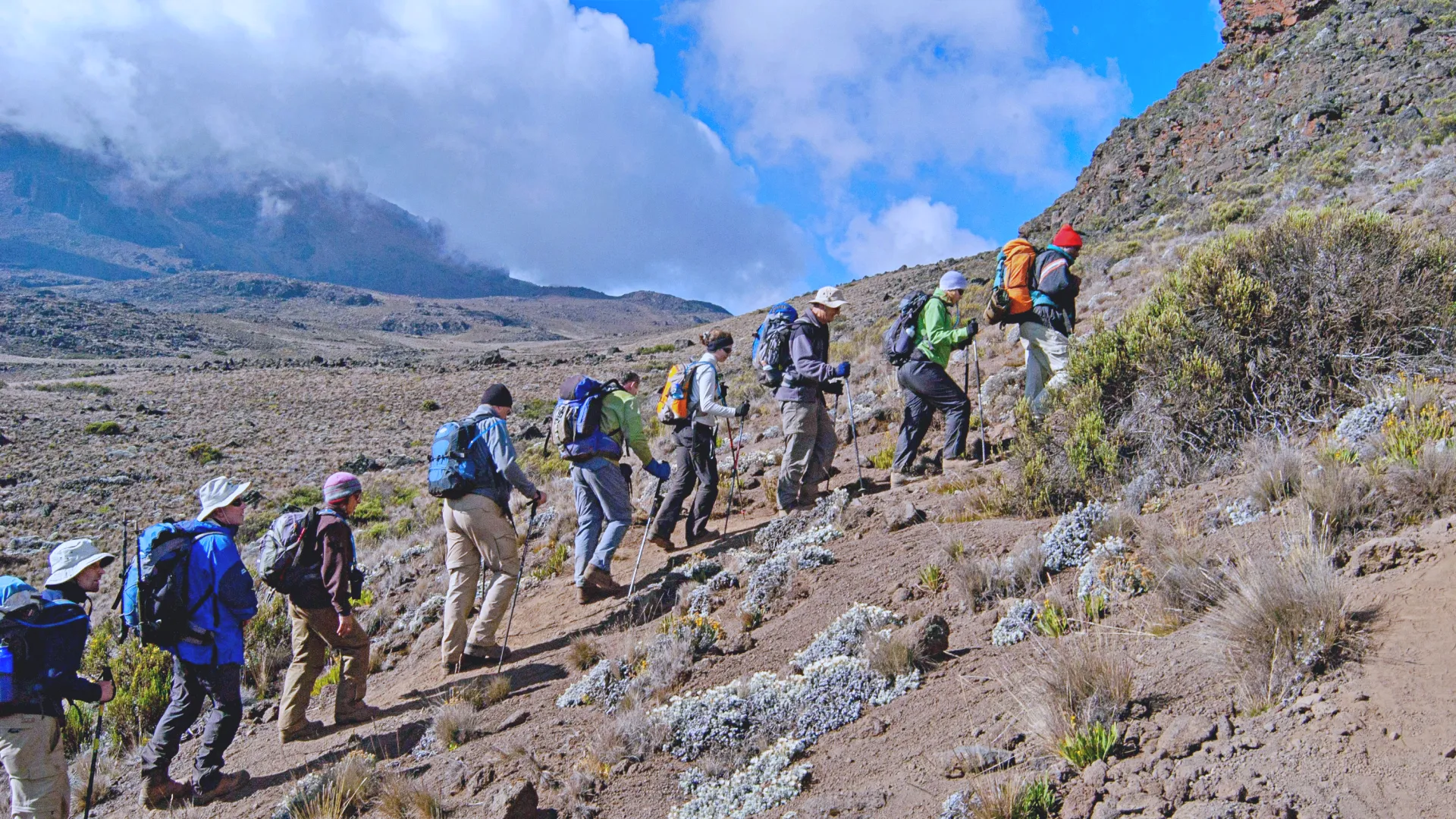
As the trail rises onto the vast Shira Plateau, the landscape opens into wide volcanic horizons and distant glacier views. Days unfold in a steady rhythm of walking, resting, and acclimatizing, creating a calm confidence that defines the character of Lemosho. Camps are spacious and peaceful, and the sense of remoteness grows stronger as the route curves toward the mountain’s quieter northern side.
Approaching the summit, the slow build of altitude and experience becomes evident. Climbers arrive at the final ascent not rushed, but prepared — physically steady and mentally focused. The long night climb toward Uhuru Peak feels less like a struggle and more like the natural culmination of days spent moving in harmony with the mountain.
What remains after the descent is often a feeling of completeness: not only reaching the highest point in Africa, but experiencing Kilimanjaro in its full breadth of silence, scale, and changing light. Lemosho is remembered not for a single dramatic moment, but for the quiet continuity of the entire journey.
Each route differs in acclimatization, scenery, difficulty, and summit success. This quick guide highlights the essential contrasts to help you choose the right path before exploring detailed itineraries.
Your climb begins at Lemosho Gate on Kilimanjaro’s western boundary, where park formalities are completed before entering dense montane rainforest. The trail ascends gently beneath towering trees draped in moss, alive with birdsong and occasional sightings of black-and-white colobus monkeys.
After several hours of steady hiking, you reach Mti Mkubwa Camp, meaning “Big Tree,” nestled within the forest’s cool and sheltered environment. The evening marks your first experience of life on the mountain as temperatures drop and the sounds of the rainforest settle into night.
Leaving the forest behind, the trail climbs into open heather and moorland where vegetation thins and expansive views begin to unfold. Giant lobelias and senecios dot the landscape, signaling your transition into Kilimanjaro’s high-altitude environment.
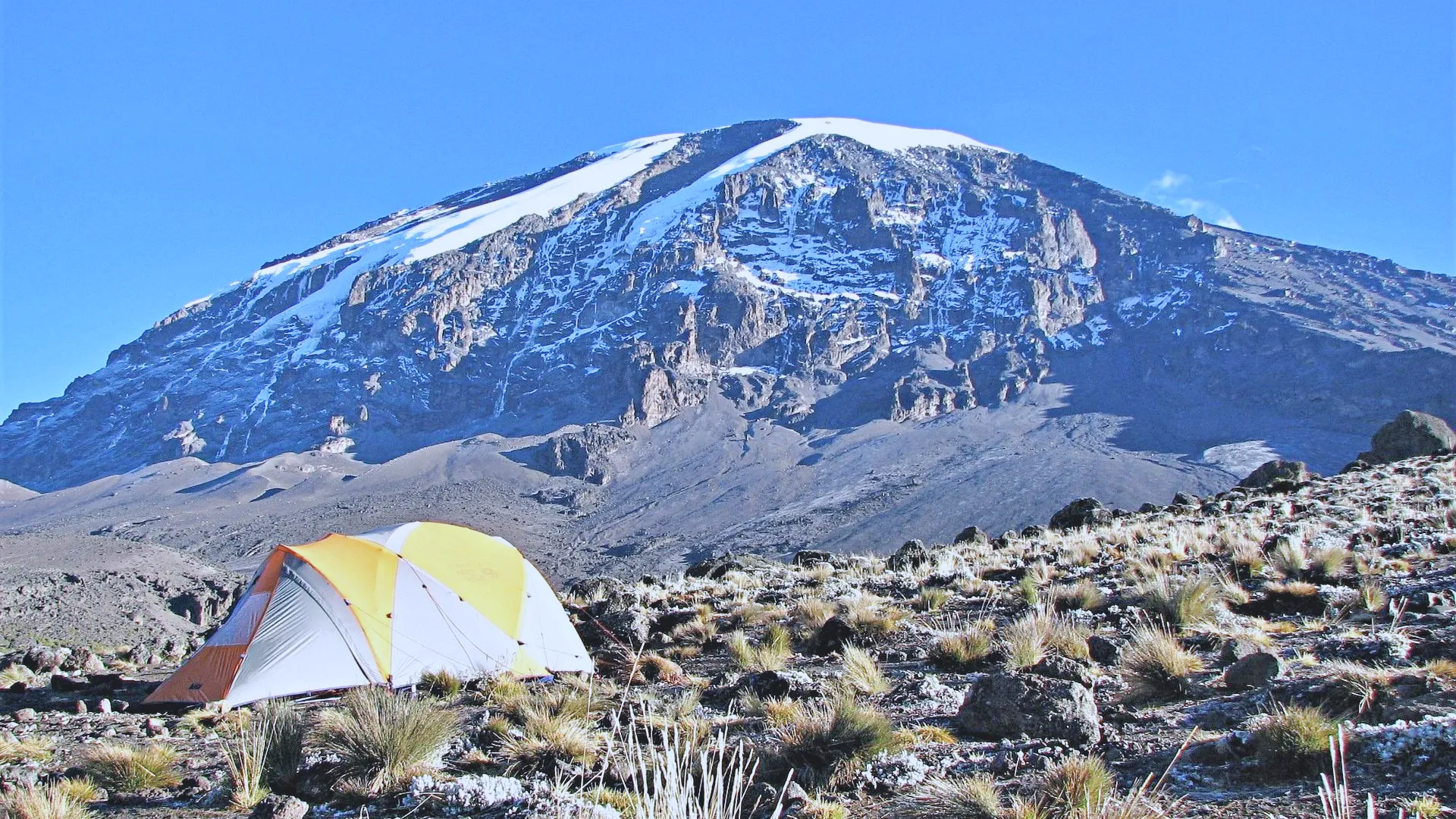
Shira 1 Camp, located on the western edge of the Shira Plateau, offers sweeping panoramas across volcanic terrain and distant cloud formations. Clear skies often reveal brilliant stars unobstructed by forest canopy.
This important acclimatization day follows the mountaineering principle of “climb high, sleep low.” The trail ascends gradually across the expansive Shira Plateau before reaching the dramatic volcanic formation known as Lava Tower, where many trekkers first feel the noticeable effects of high altitude. Spending time at this elevation helps the body begin adapting to thinner air.
From Lava Tower, the route descends into the sheltered Barranco Valley, where the landscape changes once again. Towering giant groundsels and sweeping views beneath the imposing Barranco Wall create one of the most striking campsite environments on Kilimanjaro. The descent to Barranco Camp significantly improves acclimatization and prepares trekkers for the higher elevations that follow.
The day begins with the climb up the famous Barranco Wall, a dramatic yet non-technical ascent that is often one of the most memorable sections of the entire route. Guided carefully along narrow paths and rocky ledges, trekkers are rewarded at the top with expansive views across the Karanga Valley and the towering ice fields of Kibo.
After the climb, the trail undulates through alpine desert terrain before descending gently to Karanga Camp, a quiet campsite set in a sheltered valley. This shorter trekking day plays an important role in acclimatization, allowing the body to adapt to altitude while conserving energy for the higher camps ahead.
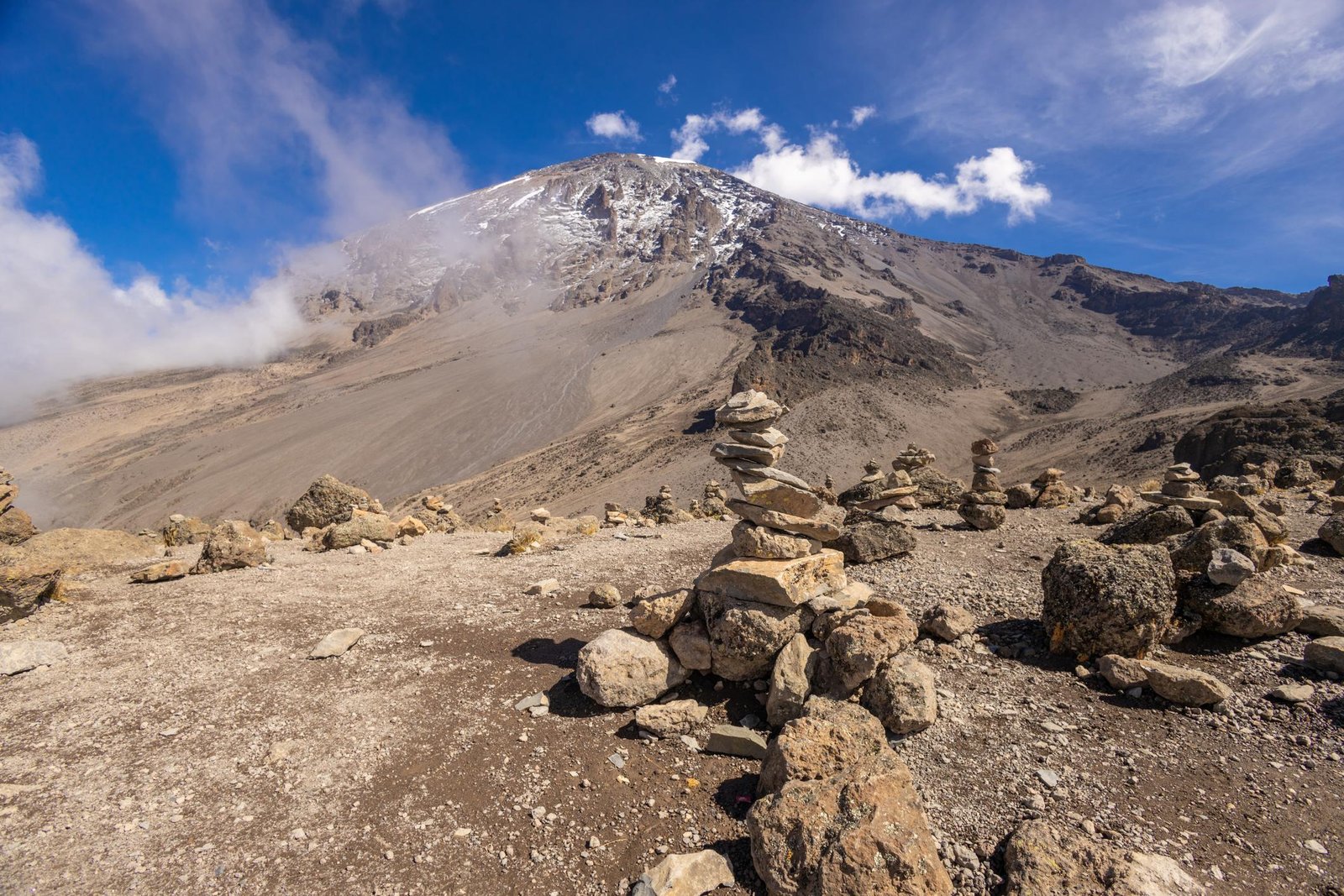
Today’s trek is shorter but steeper as the route climbs steadily toward Barafu Camp, the final base camp before the summit attempt. Vegetation becomes scarce, replaced by rugged volcanic rock and sweeping views across Kilimanjaro’s high-altitude desert.
Arriving at Barafu by early afternoon allows time to rest, hydrate, and prepare equipment for the night ascent. An early evening meal is followed by several hours of sleep before the summit push begins around midnight.
Shortly after midnight, the most demanding stage of the climb begins under a sky filled with stars. Moving slowly in single file, trekkers ascend steep volcanic scree toward Stella Point on the crater rim, often reaching it at sunrise as golden light spreads across the glaciers.
From Stella Point, the trail follows a gentler ridge to Uhuru Peak (5,895 m)—the highest point in Africa. After time for photographs and celebration, the descent begins back to Barafu Camp for rest before continuing down through changing vegetation zones to Mweka Camp, where thicker air and warmer temperatures provide welcome relief after summit day.
The final descent follows a gentle trail through dense rainforest alive with birdlife and the sounds of running water. After several hours, you reach Mweka Gate, where successful climbers receive their summit certificates and bid farewell to the mountain crew.
A short transfer returns you to your hotel, bringing the Kilimanjaro adventure to a close and allowing time for rest, celebration, and reflection on the journey to Africa’s highest peak.
Your climb begins at Lemosho Gate on Kilimanjaro’s remote western boundary, where registration formalities are completed before entering lush montane rainforest. The trail rises gently beneath towering trees draped in moss, alive with birdsong and occasional sightings of black-and-white colobus monkeys.
After several hours of steady hiking, you reach Mti Mkubwa Camp—the “Big Tree” camp—nestled within the cool and sheltered forest. This peaceful first night on the mountain introduces the rhythm of trekking life as temperatures fall and the rainforest settles into evening silence.
Today is a long but rewarding ascent as the trail leaves the rainforest behind and climbs steadily into open heather and moorland. Vegetation becomes sparse while views expand across rolling volcanic terrain and distant cloud formations.
Reaching Shira 2 Camp on the broad Shira Plateau marks a significant altitude gain in a single day. Clear weather often reveals the first unobstructed views of Kibo’s summit cone, standing dramatically above the plateau.
This key acclimatization stage follows the principle of climb high, sleep low. The route ascends gradually across the alpine desert toward the striking volcanic formation of Lava Tower, where the thinner air becomes noticeable. Spending time at this elevation stimulates the body’s adaptation to altitude.
From Lava Tower, the trail descends into the sheltered Barranco Valley, where towering giant groundsels and the dramatic Barranco Wall create one of Kilimanjaro’s most iconic landscapes. The descent to Barranco Camp helps improve acclimatization ahead of the summit push.
The day begins with the ascent of the famous Barranco Wall, a steep but non-technical climb that rewards trekkers with sweeping views across the Karanga Valley and Kilimanjaro’s southern glaciers. The trail then continues across rugged alpine terrain toward Barafu Camp, the final base camp before the summit attempt.
Arrival in the early afternoon allows time to rest, hydrate, and prepare for the midnight ascent to Uhuru Peak.
Shortly after midnight, the summit attempt begins beneath a sky filled with stars. Moving slowly upward across steep volcanic scree, trekkers reach Stella Point at sunrise before continuing along the crater rim to Uhuru Peak, the highest point in Africa.
After celebrating at the summit, the descent returns to Barafu Camp for rest before continuing downward through changing vegetation zones to Mweka Camp, where thicker air and warmer temperatures provide relief after the long summit day.
A gentle descent through lush rainforest leads to Mweka Gate, where climbers receive their summit certificates and bid farewell to the mountain crew. A short transfer returns you to the hotel, concluding the Kilimanjaro adventure.
The climb begins at Lemosho Gate on Kilimanjaro’s remote western flank. After registration, the trail enters lush montane rainforest where towering trees, moss-covered trunks, and vibrant birdlife create a rich natural atmosphere. Gentle gradients make this an ideal introduction to trekking at altitude.
After several hours, you arrive at Mti Mkubwa Camp—the “Big Tree” camp—nestled within the forest’s cool shade. The peaceful surroundings mark the first night on the mountain as temperatures drop and the rainforest settles into evening silence.
Leaving the rainforest behind, the trail ascends into open heather and moorland, where vegetation thins and expansive views begin to appear. Giant lobelias and senecios dot the landscape, signaling the transition into Kilimanjaro’s high-altitude ecosystem.
Arrival at Shira 1 Camp, positioned on the western edge of the Shira Plateau, offers sweeping panoramas across volcanic terrain and distant cloud layers beneath wide mountain skies.
This shorter trekking day is dedicated to acclimatization. A gradual walk across the vast Shira Plateau allows the body to adjust naturally to the increasing altitude while conserving energy.
Reaching Shira 2 Camp, trekkers enjoy wide-open views toward Kibo’s summit cone, often illuminated dramatically at sunset. The slower pace of this day plays a crucial role in improving summit success later in the climb.
Following the principle of climb high, sleep low, the trail ascends into alpine desert toward the striking volcanic formation of Lava Tower. Time spent at this elevation stimulates altitude adaptation before descending into the lush Barranco Valley.
Towering giant groundsels and the imposing Barranco Wall create one of Kilimanjaro’s most spectacular campsite environments at Barranco Camp.
The day begins with the ascent of the famous Barranco Wall, a dramatic but non-technical scramble offering sweeping views across the southern slopes of Kilimanjaro.
After traversing alpine ridges and valleys, the trail descends slightly to Karanga Camp, a quiet resting point that supports further acclimatization before the summit push.
A steady climb through stark alpine desert leads to Barafu Camp, the final base camp before the summit attempt. Arriving early allows time to rest, hydrate, and prepare equipment for the overnight ascent. An early dinner is followed by several hours of sleep before the midnight departure toward Uhuru Peak.
The summit push begins shortly after midnight beneath a sky filled with stars. Slow, steady progress across steep volcanic scree leads to Stella Point at sunrise, where golden light illuminates Kilimanjaro’s glaciers.
Continuing along the crater rim, trekkers reach Uhuru Peak (5,895 m)—the highest point in Africa. After celebration and photographs, the descent continues to Mweka Camp, where thicker air and warmer temperatures provide welcome recovery after the long summit day.
A gentle descent through lush rainforest brings the journey to Mweka Gate, where climbers receive summit certificates and say farewell to the mountain crew. A short transfer returns you to the hotel, concluding the Kilimanjaro adventure.
Mount Kilimanjaro climbing is a carefully supported expedition that requires experienced guides, professional mountain crews, quality camping equipment, and strict safety protocols. The prices represent the total cost per person based on group size, allowing us to distribute the cost of guides, porters, park fees, transport, and expedition equipment across the team.
As the group size increases, the price per climber decreases because essential logistics such as mountain crew support, some safety equipment, and vehicle transfers are shared among participants.
| Pax | 1 | 2 | 3 | 4 | 5 | 6 | 7 | 8 | 9 | 10+ |
|---|---|---|---|---|---|---|---|---|---|---|
| 6-Day Lemosho | $2,241 | $1,807 | $1,681 | $1,620 | $1,611 | $1,581 | $1,560 | $1,544 | $1,532 | $1,521 |
| 7-Day Lemosho | $2,532 | $2,059 | $1,920 | $1,853 | $1,845 | $1,812 | $1,788 | $1,771 | $1,757 | $1,746 |
| 8-Day Lemosho | $2,822 | $2,311 | $2,160 | $2,085 | $2,079 | $2,042 | $2,016 | $1,997 | $1,982 | $1,969 |
(No hidden authority costs later)
Tips are customary and expected on Kilimanjaro and go directly to the crew.
Recommended total tip guideline (per group per day):
(Exact tipping chart provided after booking confirmed)
Climbing Kilimanjaro is a high-altitude expedition, not a simple hike. Every ascent is supported by experienced mountain crews, careful acclimatization pacing, and continuous health monitoring designed to protect both safety and summit success.
Certified local guides lead every climb, combining technical mountain knowledge with years of high-altitude experience on Kilimanjaro’s changing terrain and weather.
Oxygen saturation, heart rate, and overall condition are checked throughout the trek to identify altitude stress early and respond calmly and safely.
Crews carry emergency oxygen, first-aid equipment, and maintain clear evacuation procedures to ensure rapid response if conditions require descent.
Fair porter treatment, proper equipment, and responsible mountain practices protect both the team and the environment throughout the expedition.