Kilimanjaro Climber’s Guide

EXPEDITION · HANDBOOK

Prepare → Travel → Arrive → Brief → Climb → Principles → Summit → Reflect

We Guide You To the Summit

Climbing Mount Kilimanjaro is not only a physical journey but also a process of preparation that begins long before stepping onto the mountain. The experience becomes far more rewarding and comfortable when climbers arrive properly trained, medically prepared, and equipped with suitable gear.


Many first-time climbers underestimate how much preparation is required for a successful summit. While Kilimanjaro does not require technical mountaineering skills, it is still a high-altitude expedition reaching 5895 meters above sea level. Preparing thoughtfully allows the body and mind to adapt to the demands of the climb and reduces the likelihood of preventable challenges along the way.


This chapter outlines the most important preparations to complete before traveling to Tanzania.

1.1 Fitness & Readiness Preparation​

Climbing Kilimanjaro is primarily an endurance challenge rather than a strength challenge. Most trekking days involve several hours of steady uphill walking at a slow, consistent pace. The body must be capable of sustaining this effort day after day while adjusting to increasing altitude.


The best preparation focuses on cardiovascular endurance, leg strength, and hiking stamina. Regular activities such as brisk walking, hiking, jogging, cycling, or swimming help improve cardiovascular fitness and lung capacity. Ideally, training should begin two to three months before the expedition. Gradually increasing the duration and intensity of training sessions allows the body to adapt safely.


Hiking on natural trails is particularly beneficial because it simulates the terrain encountered on Kilimanjaro. If possible, practice walking on uneven ground or moderate hills while carrying a small backpack. This helps strengthen stabilizing muscles and improves balance during long trekking days. Strength training can also be useful, especially exercises that target the legs and core. Squats, lunges, and step-ups help prepare the body for repeated uphill movement. Core strength improves posture and balance while carrying a daypack.


Equally important is learning to walk at a slow, sustainable pace. Kilimanjaro guides use the phrase “pole pole,” meaning “slowly slowly” in Swahili. Moving slowly conserves energy, supports acclimatization, and allows climbers to reach higher altitudes more comfortably.


Mental preparation also plays an important role. Summit success is often determined not by physical power but by patience, discipline, and the willingness to maintain steady progress even when conditions become challenging. With reasonable fitness and consistent preparation, most determined trekkers can complete the climb.

Before undertaking a high-altitude trek, it is wise to evaluate your general health and consult a medical professional if necessary. While Kilimanjaro is accessible to many people, the combination of altitude, cold temperatures, and physical exertion can place stress on the body. Climbers with existing medical conditions such as heart disease, respiratory illness, or severe asthma should seek advice from their physician before planning the climb. A doctor can assess whether altitude exposure is safe and may provide recommendations regarding medications or precautions.


Vaccinations may also be recommended when traveling to Tanzania. Travelers should consult their healthcare provider or travel clinic several weeks before departure to discuss routine vaccinations and any region-specific health considerations.


Another important topic is altitude awareness. As climbers ascend above 3,000 meters, the air becomes thinner and contains less oxygen. The body must gradually adjust through acclimatization. Mild symptoms such as headaches or fatigue are common and often improve with rest and hydration. However, guides monitor climbers carefully to ensure symptoms do not develop into more serious altitude illness. Good hydration, adequate rest, and proper pacing are key factors in maintaining health during the climb.


Travel insurance that covers high-altitude trekking and emergency evacuation is strongly recommended. Although serious incidents are rare, proper insurance ensures that support and evacuation services are available if needed.


By preparing responsibly and understanding basic health considerations, climbers can approach the expedition with confidence and peace of mind.

Proper equipment is essential for comfort and safety on Kilimanjaro. Because the climb passes through several climate zones—from humid rainforest to freezing alpine conditions—climbers must be prepared for a wide range of temperatures and weather conditions.


The most important principle when selecting clothing is layering. Instead of relying on one heavy garment, climbers wear multiple layers that can be added or removed as temperatures change.

A typical clothing system includes:

  • Moisture-wicking base layers that keep the skin dry while trekking

  • Insulating mid-layers such as fleece or lightweight down jackets

  • A waterproof and windproof outer shell for protection from rain and wind

  • A warm down jacket for high-altitude and summit conditions

Footwear is equally important. A comfortable pair of well-broken-in trekking boots with good ankle support is strongly recommended. Boots should be tested on training hikes before traveling to ensure they fit properly and do not cause discomfort.


Other essential equipment includes trekking poles, gloves, a warm hat, sunglasses, sunscreen, and a reliable headlamp for summit night. A high-quality sleeping bag designed for cold temperatures is also important for comfortable rest at camp. You are also advised to bring a small daypack to carry personal items such as water, snacks, rain gear, and extra clothing while trekking. Larger duffel bags containing main equipment are typically carried by porters during the expedition.


When shopping for equipment, it is helpful to focus on quality and practicality rather than excessive gear. Lightweight, durable items designed for trekking conditions will provide the greatest comfort on the mountain. Preparing equipment well in advance of travel allows time to test gear, make adjustments, and ensure everything is ready for the expedition.

Mount Kilimanjaro — The Roof of Africa

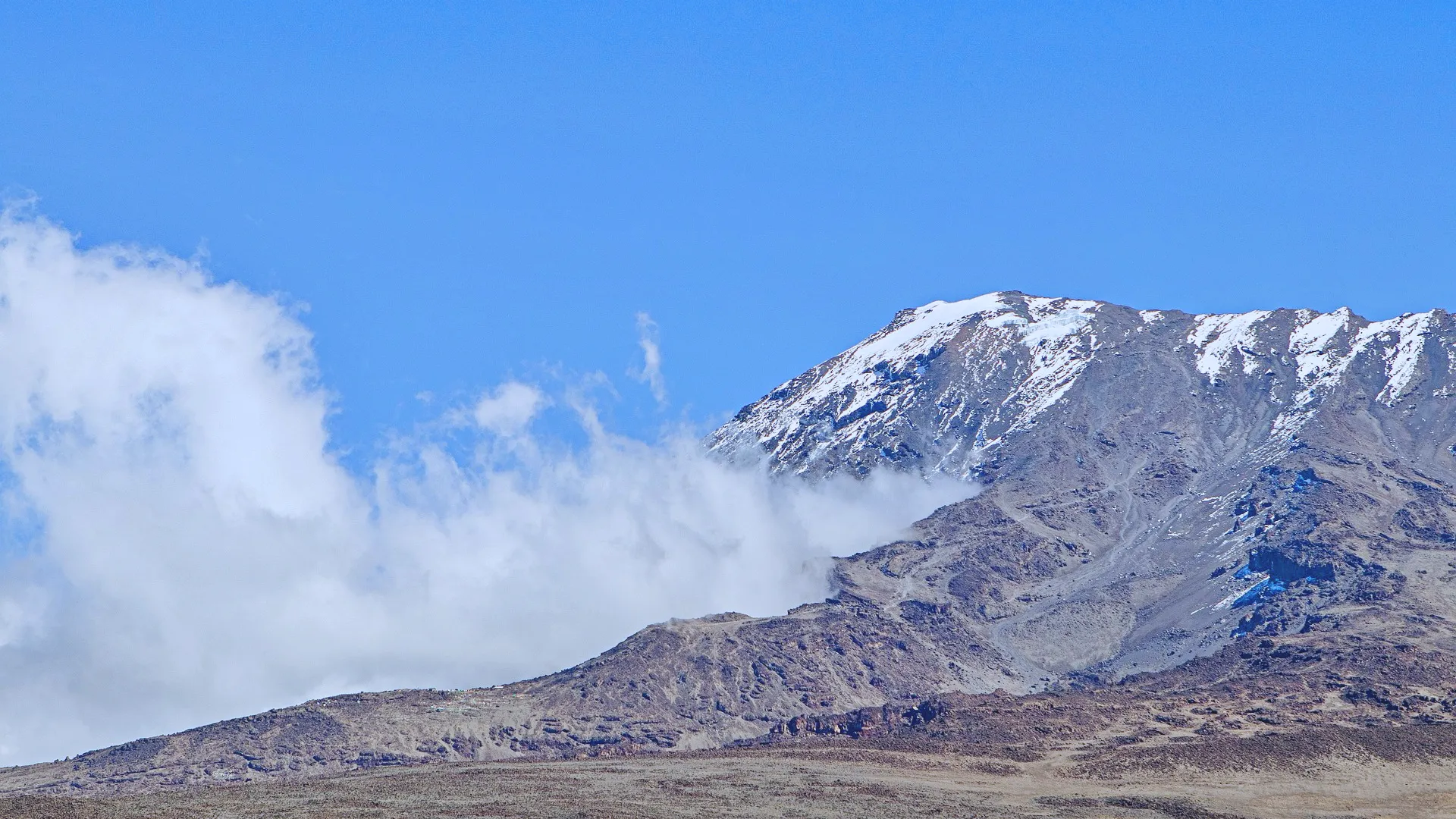
Mount Kilimanjaro is the highest mountain in Africa, rising to 5,895 meters (19,341 ft) above sea level. Located in northern Tanzania near the Kenyan border, Kilimanjaro stands as the tallest free-standing mountain in the world, meaning it rises independently from surrounding plains rather than forming part of a mountain range.

For centuries the mountain has been a powerful geographical landmark and cultural symbol in East Africa. Its snow-covered summit towering above the savannah has inspired explorers, scientists, writers, and adventurers from around the world. Today Kilimanjaro is one of the most famous trekking destinations on Earth and a centerpiece of Tanzania’s natural heritage.

2.1 Geological Formation

Kilimanjaro is a massive stratovolcano formed through volcanic activity over a million years ago. The mountain consists of three volcanic cones, each representing a different stage in its geological history.


Kibo

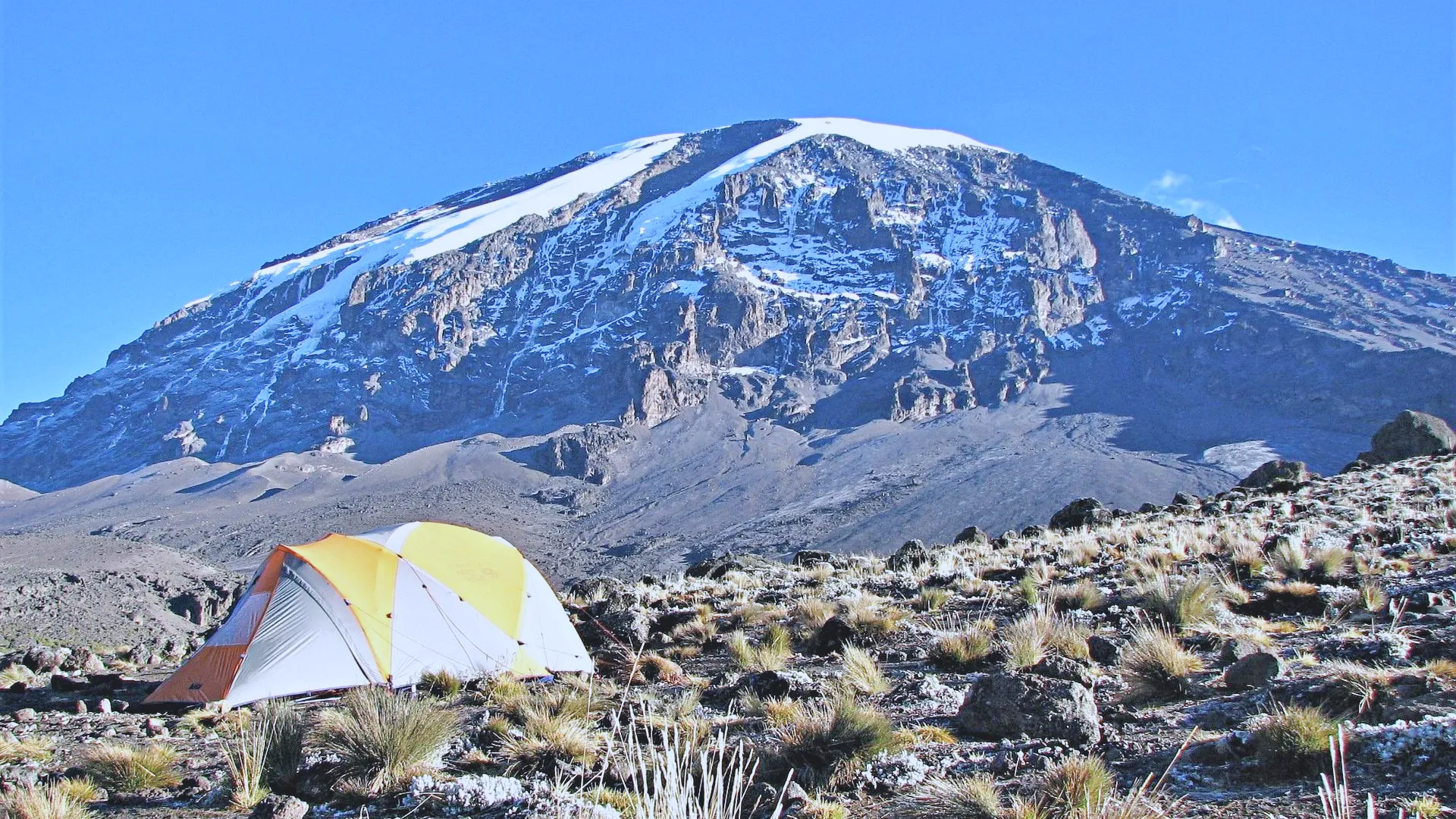
Kibo is the highest and youngest volcanic cone and the one climbers ascend when attempting the summit. At the top of Kibo lies the crater rim where Uhuru Peak, the highest point in Africa, is located.


Mawenzi

Mawenzi stands at 5,149 meters and forms the dramatic jagged peak visible from many parts of the mountain. Although lower than Kibo, Mawenzi is technically difficult to climb and rarely attempted except by experienced mountaineers.


Shira

Shira is the oldest cone, whose original summit collapsed long ago to form a broad plateau on the western side of the mountain. Together these three volcanic structures form the immense massif known as Mount Kilimanjaro.

One of Kilimanjaro’s most remarkable features is the rapid ecological transition experienced during the climb. In just a few days, climbers move through environments that resemble an entire continent of climate zones.


Rainforest

The lower slopes are covered in dense tropical forest with tall trees, moss-covered branches, and rich biodiversity.


Moorland

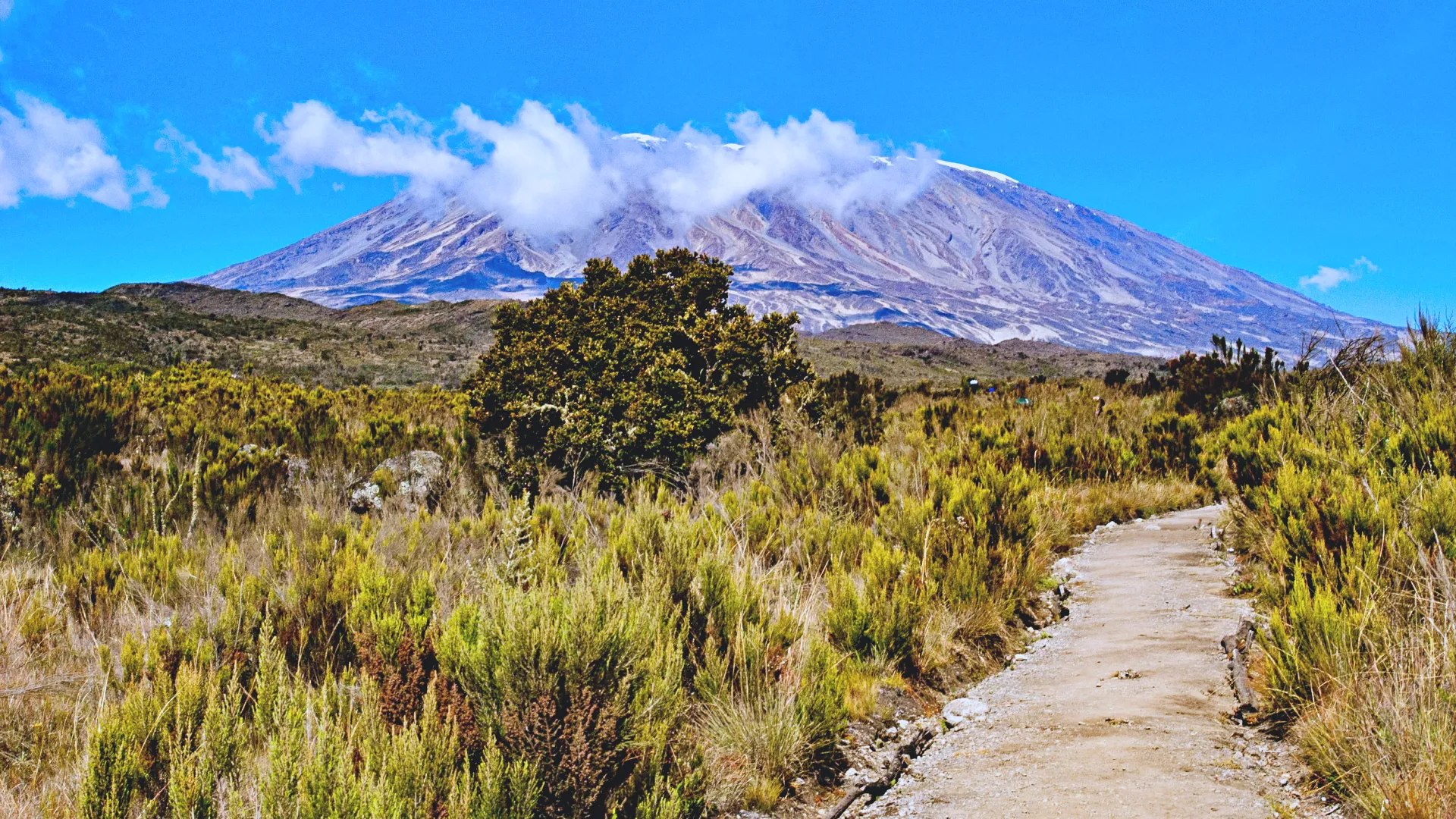
Higher up, the forest gives way to open moorland with giant groundsel plants and sweeping valleys.


Alpine Desert

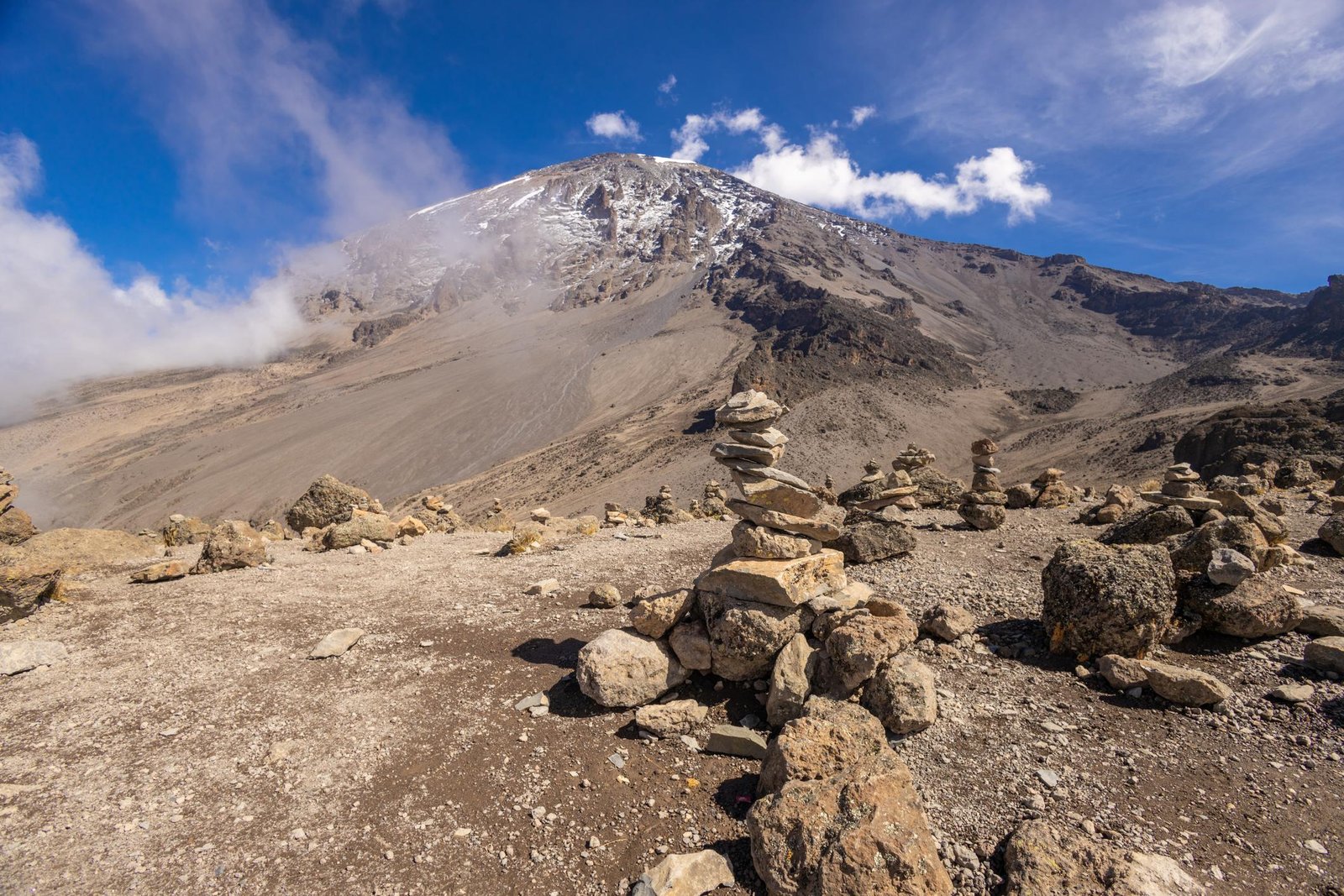
This stark landscape of volcanic rock and dust receives little rainfall and experiences large temperature changes between day and night.


Arctic Summit

Near the summit, temperatures drop well below freezing and glaciers crown the mountain’s volcanic crater.

This progression from humid forest to arctic conditions makes Kilimanjaro one of the most environmentally diverse climbs in the world.

Unlike many mountains of similar height, Kilimanjaro does not require technical mountaineering skills. Climbers do not need ropes, harnesses, or rock-climbing ability. Instead, the challenge lies in endurance and altitude adaptation.


Trekkers typically reach the summit over 6–9 days, depending on the chosen route and acclimatization schedule. During the climb, a professional mountain crew supports the expedition with guides, cooks, and porters who carry equipment and establish camps along the route.


Despite its accessibility, Kilimanjaro remains a serious high-altitude undertaking. Proper preparation, pacing, and acclimatization are essential for a successful summit.

Kilimanjaro holds deep significance for the communities living around the mountain, particularly the Chagga people, who have inhabited its fertile slopes for generations. The mountain’s glaciers feed rivers that support agriculture and local livelihoods throughout the region.


Today, Kilimanjaro is protected within Kilimanjaro National Park, a UNESCO World Heritage Site recognized for its ecological and geological importance.

 For many climbers, reaching the summit of Kilimanjaro represents more than a physical achievement. The journey offers a rare opportunity to move slowly through dramatic landscapes, experience the rhythm of high-altitude trekking, and witness sunrise from the highest point on the African continent.

Standing at Uhuru Peak, above the clouds and glaciers, climbers often describe a quiet sense of accomplishment and perspective — a reminder that patience, preparation, and steady determination can carry a person far beyond the limits they once imagined.

Reaching the summit of Mount Kilimanjaro is an achievable goal for many trekkers, yet it is important to understand that success on the mountain depends on more than determination alone. The primary challenge climbers face is altitude, not technical difficulty. While Kilimanjaro can be climbed without mountaineering experience, the body must adapt to progressively thinner air as elevation increases.

Across all routes and operators, summit success rates vary significantly. Climbers who attempt shorter itineraries or ascend too quickly often struggle with altitude adjustment. On the other hand, those who choose longer itineraries and maintain a slow, consistent pace typically experience much higher success rates.

Several factors influence whether a climber successfully reaches Uhuru Peak, the highest point on Kilimanjaro.

2.5.1 Route Selection

Different routes offer different acclimatization profiles. Routes with gradual elevation gain and additional days on the mountain allow the body more time to adapt.

Routes such as Lemosho and Machame are widely known for strong summit success rates because they follow a “climb high, sleep low” pattern that supports acclimatization. Shorter routes, while attractive for time-conscious travelers, often provide less opportunity for the body to adjust to altitude.

Choosing the right route is therefore one of the most important decisions in planning a Kilimanjaro expedition.

2.5.2 Length of the Itinerary

One of the strongest predictors of summit success is time spent on the mountain. Each additional acclimatization day increases the body’s ability to adapt to altitude.

For this reason, many experienced operators recommend 7–8 day itineraries rather than shorter climbs. Although longer itineraries require more time and planning, they significantly improve both comfort and summit success.

2.5.3 Pace and Acclimatization

On Kilimanjaro, the guiding philosophy is “pole pole,” meaning “slowly slowly.” Moving slowly allows the body to adjust to decreasing oxygen levels and reduces the strain of altitude gain. Climbers who rush early trekking days often pay the price later when altitude becomes more demanding. Maintaining a steady, patient rhythm helps conserve energy and encourages proper acclimatization.


2.5.4 Hydration and Nutrition

Adequate hydration is critical at altitude. The dry mountain air increases water loss through breathing and exertion, making it essential for climbers to drink regularly throughout the day.

Most climbers are advised to drink three to four liters of water daily during the climb. Proper nutrition also supports energy levels and helps the body cope with altitude stress.


2.5.5 Professional Guidance and Safety Monitoring

Experienced guides play an essential role in maintaining safe climbing conditions. Guides monitor pacing, observe altitude symptoms, and conduct daily health checks using tools such as pulse oximeters. Early recognition of symptoms allows guides to adjust plans, recommend rest, or initiate descent if necessary. Responsible guiding practices are a key factor in successful and safe summit attempts.


2.5.6 Mental Resilience

While physical fitness and acclimatization are critical, the mental aspect of the climb should not be underestimated. Summit night can be long, cold, and physically demanding. Climbers often reach their limits during this stage of the journey. Patience, determination, and a calm mindset allow climbers to maintain steady progress during the final hours before sunrise.


 

The final stage of preparation takes place in the days just before departure. By this point, most planning decisions have already been made — training has begun, equipment has been selected, and travel arrangements are confirmed. What remains is ensuring that everything is properly organized before boarding your flight to Tanzania.

Preparing carefully before travel reduces stress upon arrival and allows climbers to begin the expedition focused, rested, and ready for the mountain. A thoughtful final review of packing, documentation, and equipment ensures that no essential items are forgotten.

3.1 Final Preparation Checklist

In the days leading up to departure, it is helpful to review a simple checklist to ensure all essential preparations are complete. Small details addressed early can prevent unnecessary complications during travel or on the mountain.


Confirm your international flight details and arrival time at Kilimanjaro International Airport. Ensure that airport transfers and accommodation arrangements are clearly communicated with your safari operator.


Reconfirm your climb itinerary, including the number of trekking days and route selection. This ensures that your packing matches the conditions expected on your specific route.


Review your training progress and plan to rest adequately before travel. Arriving well-rested allows the body to adapt more comfortably to both travel fatigue and altitude.


Finally, ensure all equipment has been tested and adjusted. Trekking boots should already be broken in, and backpacks should be fitted comfortably.

A calm and organized departure allows climbers to begin the journey with confidence.

Packing for a Kilimanjaro expedition requires preparing for several climate zones. During the climb, trekkers move from warm rainforest conditions on the lower slopes to freezing temperatures near the summit. A thoughtful packing strategy ensures comfort, safety, and efficiency throughout the journey.


The most effective approach is to organize gear into three main categories: clothing layers, trekking equipment, and personal items.


Clothing should follow a layering system so that garments can be added or removed as temperatures change during the day. Typical layers include moisture-wicking base layers, insulating fleece or down layers, and waterproof outer shells to protect against rain and wind.


Footwear is equally important. Well-broken-in trekking boots with good ankle support are strongly recommended, along with several pairs of comfortable hiking socks.


During the climb, most of your main equipment is carried by porters in a duffel bag, allowing climbers to focus on walking rather than carrying heavy loads. Climbers typically carry only a small daypack, which holds daily essentials such as water, snacks, sunglasses, sunscreen, rain gear, and extra clothing layers.


Other commonly recommended items include trekking poles for stability, a headlamp for summit night, warm gloves, a winter hat, and a sleeping bag suitable for cold mountain conditions.


Packing thoughtfully and testing gear before departure helps ensure that everything functions properly once the expedition begins. Proper preparation allows climbers to focus on the experience of the mountain rather than worrying about missing equipment.

Before leaving home, it is essential to ensure that all travel documents are prepared and easily accessible. Proper documentation prevents delays during international travel and entry into Tanzania.


Climbers should verify that their passport is valid for at least six months beyond the travel date. A Tanzanian tourist visa may be required depending on nationality, and travelers should confirm the visa process before departure.


Travel insurance documents should also be carried, particularly policies that cover high-altitude trekking and emergency evacuation.

Additional useful documents include flight confirmations, accommodation bookings, and contact details for your Titans expert or the assigned mountain guide team. Keeping digital copies of important documents stored on a phone or cloud service can provide additional security in case of loss.


Organizing documents in a small travel folder or pouch helps ensure that everything remains accessible during airport procedures and border entry.

Before departure, it is always wise to conduct a final cross-check with your safari operator or expedition coordinator. Experienced mountain specialists can confirm that all logistical arrangements are in place and that your equipment list is appropriate for the conditions expected on the mountain.


During this final communication, climbers often review important details such as airport pickup arrangements, accommodation before the climb, and equipment rental options if any additional gear is needed. Our expert may also provide last-minute updates about weather conditions, trail conditions, or recommended adjustments to packing lists.


This final conversation ensures that both the climber and the guiding team share the same expectations for the expedition.

Before departure, it is always wise to conduct a final cross-check with your safari operator or expedition coordinator. Experienced mountain specialists can confirm that all logistical arrangements are in place and that your equipment list is appropriate for the conditions expected on the mountain.


During this final communication, climbers often review important details such as airport pickup arrangements, accommodation before the climb, and equipment rental options if any additional gear is needed. Our expert may also provide last-minute updates about weather conditions, trail conditions, or recommended adjustments to packing lists.


This final conversation ensures that both the climber and the guiding team share the same expectations for the expedition.

Preparing to board your flight marks the transition from planning to adventure. Months of preparation, training, and organization now lead toward the beginning of the climb itself.


With equipment packed, documents prepared, and plans confirmed, climbers can travel to Tanzania knowing that the most important groundwork for a successful Kilimanjaro expedition has already been completed.

After months of preparation, the journey to climb Mount Kilimanjaro begins with your arrival in Tanzania. This stage is straightforward but important, as it sets the tone for the expedition and ensures all logistical arrangements are in place before the climb begins.


For most climbers, arrival takes place at Kilimanjaro International Airport, the main gateway for travelers heading to Mount Kilimanjaro and the surrounding northern safari circuit.

4.1 Immigration and Entry Procedures

Upon arrival at the airport, travelers proceed through immigration and passport control. Visitors entering Tanzania typically require a tourist visa, which may be obtained either in advance online or upon arrival depending on nationality.

Immigration officers will request:

  • A valid passport

  • Visa documentation (if required)

  • A completed arrival card

Travelers should ensure their passport is valid for at least six months beyond the date of entry. After passport control, passengers proceed to the baggage claim area before exiting the terminal.

After exiting the arrival hall, climbers will be welcomed by a representative from their safari company or mountain logistics team. Most operators provide airport pickup as part of the Kilimanjaro expedition package.


Your driver or guide will typically be waiting in the arrivals area holding a our Titans branded name sign board. From there, you will be transferred to your hotel for rest and preparation before the climb begins.


Airport transfers normally take 45–60 minutes, depending on the location of your accommodation.

Most climbers stay in either Arusha or Moshi, both of which serve as the primary base towns for Kilimanjaro expeditions. These towns are located at the foothills of the mountain and provide a comfortable environment to rest, recover from travel, and prepare for the climb.


Upon arrival at the hotel, climbers usually have time to relax, enjoy a meal, and adjust after the journey.

Although the climb has not yet begun, the first day in Tanzania is important for rest and hydration. Long international flights can cause fatigue and dehydration, so taking time to relax before the expedition begins helps prepare the body for the days ahead.

Our guides encouraged to drink water regularly, stretch after travel, and get adequate sleep. This short recovery period ensures that the body is refreshed before starting the mountain adventure.

Arrival day is usually followed by a pre-climb briefing and equipment check, which will be covered in the next chapter of this handbook.


During this stage, guides review the itinerary, confirm gear readiness, and answer any remaining questions before the expedition begins.

Arrival in Tanzania marks the transition from planning to experience. The mountain that once existed only in preparation and imagination now stands within reach.

From this point forward, the focus shifts to the expedition itself — beginning with the final preparations that lead to the trailhead and the start of the climb.

Before the climb begins, every Kilimanjaro expedition includes a detailed pre-climb briefing and equipment inspection. This session usually takes place at your hotel the day before the trek begins and is led by TTS lead mountain guide.


Although many climbers arrive well prepared, this briefing is an essential part of the expedition. It ensures that every participant clearly understands the route, the daily trekking routine, safety procedures, and the expectations during the climb.


Climbers should approach this session with full attention and treat it as an opportunity to clarify any uncertainties before stepping onto the mountain.

5.1 Purpose of the Briefing

The pre-climb briefing provides a complete overview of the upcoming expedition. During this session, your guide explains the selected route, the number of trekking days, and the expected altitude progression.


Guides also describe the rhythm of life on the mountain, including daily trekking schedules, meal times, campsite arrangements, and the roles of the mountain crew. Understanding these routines helps climbers settle quickly into the expedition environment once the climb begins.


This meeting also introduces the philosophy of slow and steady climbing, which is essential for safe altitude adaptation.

One of the most important parts of the briefing is the equipment check. The guide carefully reviews each climber’s gear to ensure it is suitable for the mountain’s conditions.


Because Kilimanjaro passes through multiple climate zones, climbers must be prepared for warm conditions in the lower rainforest as well as freezing temperatures near the summit.


During the inspection, guides typically check key items such as:

  • Trekking boots

  • Warm summit jacket

  • Waterproof outer layers

  • Gloves and hats

  • Sleeping bag suitability

  • Headlamp for summit night

If any essential items are missing or inadequate, guides will recommend renting additional equipment before the climb begins. Many outfitters provide access to rental gear locally, allowing climbers to obtain specialized items if needed.


This inspection helps prevent common problems that could affect comfort or safety during the expedition.

The briefing session is also the best moment for climbers to ask questions. Even experienced trekkers may have uncertainties about altitude, daily trekking distances, or summit night conditions.

Climbers should feel comfortable asking about any topic that may affect their preparation or expectations. Common questions often include:

  • What time each trekking day begins?

  • How steep or long specific stages may be?

  • How altitude symptoms are monitored?

  • What the summit night schedule will look like?

Clear communication between climbers and guides creates a stronger, more confident team before the expedition begins.

During the briefing, guides will also confirm logistical details such as departure time for the trailhead, luggage arrangements, and porter bag weight limits.


Climbers are typically asked to separate their equipment into two categories:

Duffel bag,

carried by porters, containing clothing and personal gear for the entire expedition.

Daypack,

carried by the climber, containing essential items needed during daily trekking such as water, snacks, rain gear, and extra clothing layers.


Understanding how equipment will be organized helps ensure a smooth start to the expedition.

The pre-climb briefing represents the final stage of preparation before the journey onto the mountain begins. It aligns the entire team — climbers, guides, and crew — with a shared understanding of the expedition ahead.

With equipment checked, questions answered, and expectations clarified, climbers are now ready to begin the trek toward the slopes of Mount Kilimanjaro.

Climbing Mount Kilimanjaro is not only a physical journey but also an experience shaped by discipline, patience, and respect for the mountain environment. Professional mountain guides follow a set of guiding principles that help ensure safety, encourage successful acclimatization, and create a positive expedition atmosphere for all climbers.


Understanding these principles before the climb begins helps climbers work effectively with their guides and adjust more comfortably to life on the mountain.

6.1 The Principle of “Pole Pole”

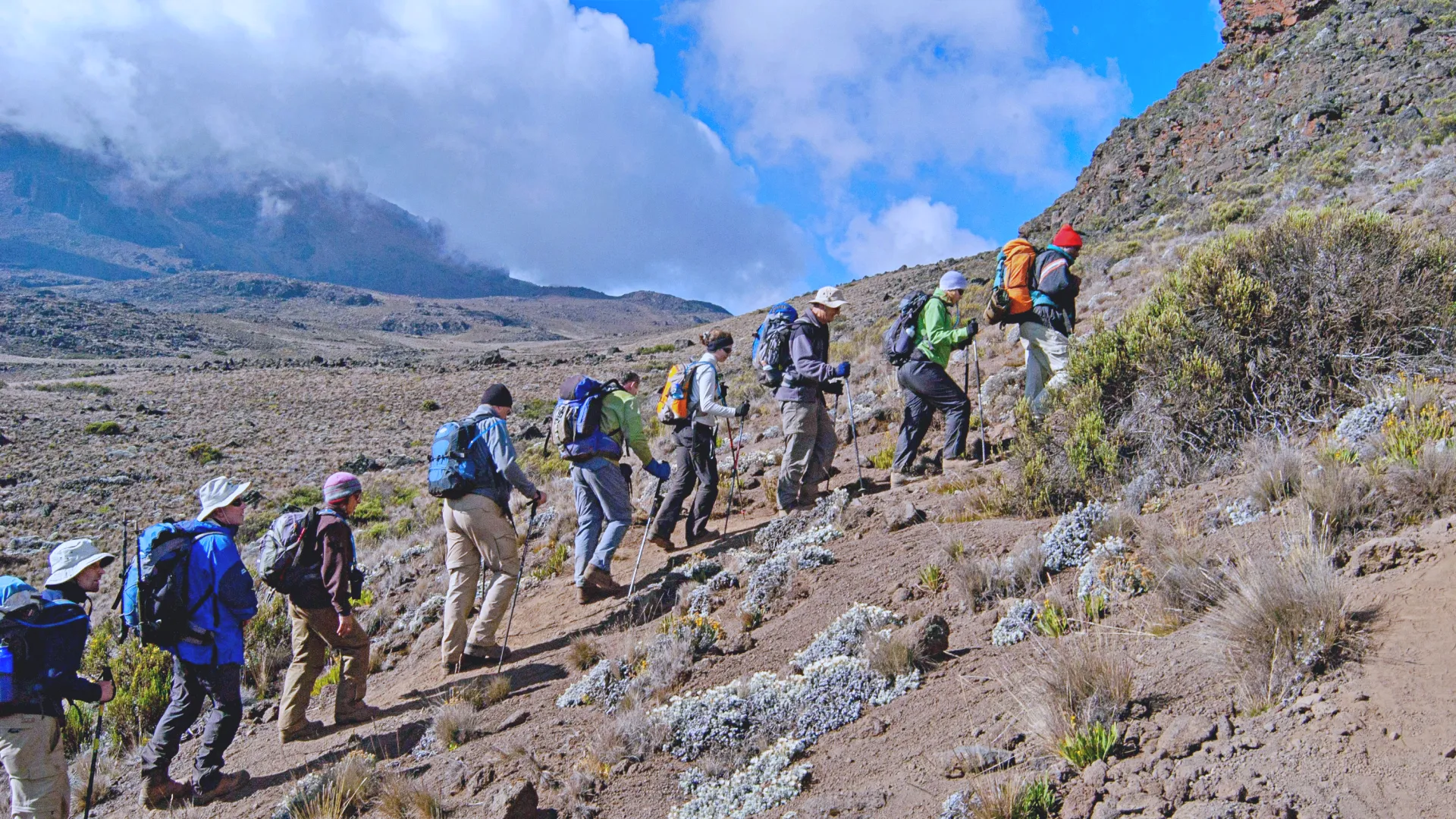
One of the most important philosophies on Kilimanjaro is the Swahili phrase “pole pole,” meaning slowly slowly. While many climbers initially feel capable of walking faster, maintaining a slow and steady pace is essential for adapting to altitude.


Walking slowly allows the body to adjust gradually to decreasing oxygen levels. It also conserves energy for the days ahead and reduces the likelihood of altitude-related discomfort.

Guides carefully control the pace of the group to ensure everyone moves steadily and safely throughout the climb.

Mountain guides are trained professionals with extensive experience on Kilimanjaro. Their role is not only to lead the route but also to monitor the wellbeing of each climber.


Guides observe pacing, breathing patterns, hydration habits, and general physical condition during the trek. When a guide offers advice about slowing down, drinking more water, or resting, it is always intended to support the climber’s health and success.


Trusting the guidance of the mountain team creates a safer and more enjoyable experience for everyone involved.

Proper hydration is one of the most important habits during a Kilimanjaro climb. The dry mountain air and increased breathing rate at altitude cause the body to lose water more quickly than usual.


Climbers are typically encouraged to drink three to four liters of water each day. Regular hydration helps reduce headaches, supports acclimatization, and maintains energy levels during trekking.

Many climbers carry water bottles or hydration systems in their daypacks to allow easy access while walking.

Altitude affects every climber differently. Even very fit individuals can experience altitude symptoms, while others may adapt quickly.


The most important principle is to listen carefully to your body. If symptoms such as persistent headache, nausea, dizziness, or unusual fatigue occur, climbers should inform their guide immediately.


Early communication allows guides to evaluate the situation and make appropriate decisions. Addressing symptoms early helps prevent more serious altitude illness.

Climbing Kilimanjaro is a shared experience between climbers and the mountain crew. Guides, porters, and cooks work together to support the expedition and create a comfortable environment throughout the journey.


A positive attitude and cooperative spirit contribute greatly to the overall experience. Encouraging fellow climbers, respecting the crew, and appreciating the teamwork involved in the expedition help create a strong and supportive atmosphere on the mountain.

Kilimanjaro is both a natural treasure and a fragile ecosystem. Climbers are encouraged to follow responsible environmental practices throughout the expedition.


This includes respecting campsite guidelines, disposing of waste properly, and leaving no trace along the trail. Protecting the mountain ensures that future climbers can experience the same extraordinary landscapes.

At high altitude, the body burns energy more quickly than at lower elevations. Breathing becomes faster, metabolism increases, and daily trekking requires sustained physical effort. Because of this, maintaining adequate energy levels becomes essential for both endurance and recovery.


Carbohydrates are particularly valuable during high-altitude trekking because they provide a readily available source of energy that the body can process efficiently in low-oxygen environments. Foods such as rice, pasta, potatoes, bread, and porridge are commonly included in mountain meals for this reason.


Climbers may notice that appetite decreases at altitude, especially above 4,000 meters. Even when hunger is reduced, it is important to continue eating regularly throughout the expedition. Small but frequent meals help maintain energy levels and prevent excessive fatigue.


Snacks carried in a daypack — such as energy bars, biscuits, chocolate, or dried fruit — can provide quick energy during trekking breaks. Maintaining regular food intake supports the body’s ability to cope with altitude and provides the strength needed for summit night.

Rest and recovery are essential components of a successful Kilimanjaro expedition. Each day on the mountain places physical demands on the body, and adequate sleep allows the body to recover, repair muscles, and adapt to altitude.


Nighttime temperatures can become cold at higher camps, and altitude itself may affect sleeping patterns. Some climbers experience lighter sleep or wake more frequently during the night as the body adjusts to reduced oxygen levels. This is a normal response and usually improves as acclimatization progresses.


Maintaining a comfortable sleeping environment helps improve rest. Warm sleeping bags, dry clothing, and proper insulation from the ground all contribute to better sleep quality.


Climbers are encouraged to rest whenever possible, especially after arriving at camp in the afternoon. Conserving energy during the early days of the expedition helps the body remain strong for the later stages of the climb.


Good rest, combined with steady pacing and proper hydration, allows climbers to maintain the endurance required to reach the summit.

Maintaining body warmth is an often overlooked but very important principle during high-altitude trekking. As climbers ascend higher on Mount Kilimanjaro, temperatures drop significantly and weather conditions can change quickly. Cold exposure not only causes discomfort but can also accelerate fatigue and reduce the body’s ability to cope with altitude.


Climbers should actively manage their clothing layers throughout the day to maintain a comfortable body temperature. During trekking, wearing breathable layers helps prevent overheating and excessive sweating. When resting or arriving at camp, adding warmer layers quickly helps prevent the body from cooling down too rapidly.


Cold conditions become particularly challenging during early mornings, evenings, and especially on summit night. Proper insulation — including warm gloves, thermal layers, hats, and down jackets — is essential to maintain warmth during these periods.


Keeping the body warm also helps conserve energy. When the body becomes cold, it must use additional energy to maintain core temperature. By staying properly insulated, climbers can preserve valuable energy for trekking and altitude adaptation.


Warmth, like hydration and pacing, plays a quiet but important role in maintaining strength and comfort throughout the climb.

Summit night is the most demanding and memorable stage of the Kilimanjaro expedition. It is the moment when climbers make their final ascent toward the highest point of Mount KilimanjaroUhuru Peak, standing at 5,895 meters above sea level.


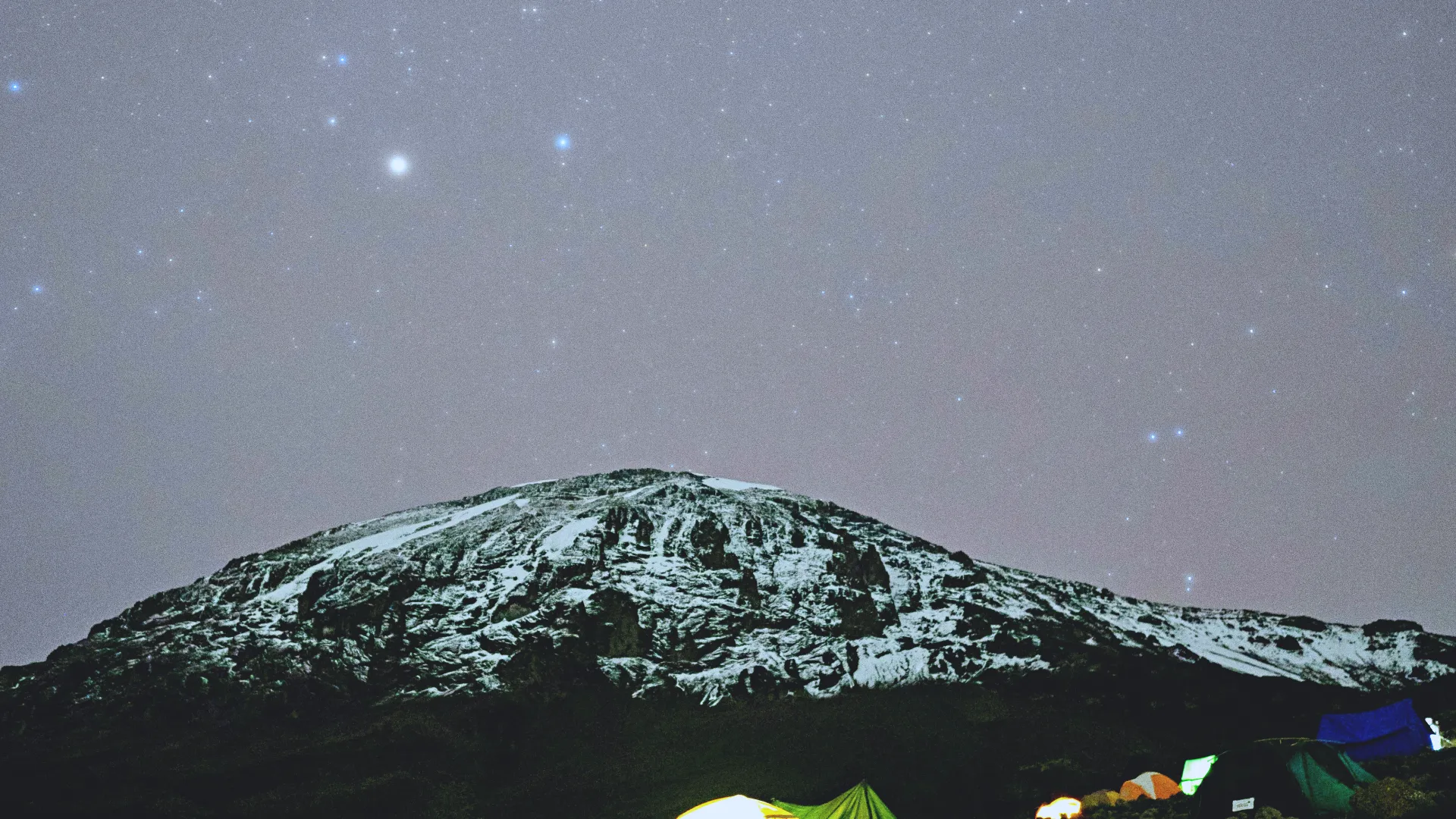
Unlike the previous trekking days, summit night requires climbing in darkness, extreme cold, and thin air. The experience is physically challenging but also deeply rewarding, as climbers move slowly upward beneath a sky filled with stars while approaching the highest point in Africa.


Understanding what to expect during summit night helps climbers prepare both physically and mentally for this important stage of the journey.

7.1 Preparation Before Midnight Departure

Summit attempts usually begin shortly before midnight. Climbers wake late in the evening for a light meal and hot drinks prepared by the mountain crew. Although appetite may be low due to altitude, it is important to eat enough to provide energy for the climb ahead.


Before leaving camp, climbers should ensure that all necessary equipment is ready. This includes wearing proper summit clothing layers, checking that headlamps are functioning, and confirming that water bottles are accessible.


Guides often review the plan for the ascent, explaining the expected pace and reminding climbers of the importance of moving slowly and steadily.

Shortly after midnight, climbers begin the slow ascent toward the crater rim. The trail is steep and the air is thin, making each step feel more demanding than during earlier trekking days.


Guides set a very slow and deliberate pace to support acclimatization and conserve energy. Climbers follow a steady rhythm, taking small steps while focusing on breathing and maintaining balance on the rocky terrain.


The darkness of the night creates a quiet and reflective atmosphere. Headlamps form a small line of light moving slowly up the mountain as climbers progress toward the summit.

After several hours of climbing, the first major milestone is reaching the crater rim. Depending on the route, this point may be known as Stella Point or Gilman’s Point, both located on the edge of the summit crater.


From here, the final stage of the ascent continues along the crater rim toward Uhuru Peak, the official summit of Kilimanjaro. Although the terrain becomes less steep during this section, altitude and fatigue often make progress slow. Guides continue to encourage a steady pace while monitoring climbers closely.

One of the most extraordinary moments on Kilimanjaro occurs as the sun begins to rise over the African plains below. Golden light gradually illuminates the glaciers and volcanic landscape surrounding the summit.


For many climbers, witnessing this sunrise after hours of steady climbing becomes one of the most unforgettable memories of the entire expedition.


Standing at the summit sign at Uhuru Peak marks the completion of a remarkable journey and the achievement of reaching the highest point on the African continent.

After spending a short time at the summit for photographs and rest, climbers begin their descent. Although the summit has been reached, the journey is not yet complete.


Descending carefully is important, as fatigue can affect balance and concentration. Climbers return to the high camp for a short rest before continuing further down the mountain later in the day.


The descent often feels much easier as oxygen levels increase and temperatures become warmer.

Summit night represents the culmination of days of steady progress, preparation, and perseverance. It is a moment when patience, teamwork, and determination come together.

Whether climbers describe the experience as physically demanding, emotionally powerful, or quietly reflective, summit night on Kilimanjaro is an unforgettable chapter in the journey to the roof of Africa.

Beyond the physical journey of climbing Mount Kilimanjaro, there are additional aspects of the expedition that reflect the human and cultural dimension of the experience. These include recognizing the efforts of the mountain crew and supporting the communities that live in the region surrounding the mountain.


While these elements are not required for completing the climb, many travelers choose to participate in them as a way of acknowledging the teamwork and hospitality that make the Kilimanjaro journey possible.

8.1 Tipping the Mountain Crew

Every Kilimanjaro expedition relies on the effort and professionalism of the mountain crew. Guides, assistant guides, cooks, and porters work together each day to ensure the climb is safe, organized, and comfortable for all climbers.


Porters transport expedition equipment, set up camps, and prepare the environment before climbers arrive at each campsite. The mountain cook prepares daily meals that sustain climbers throughout the trek, while the guides lead the route, monitor altitude adaptation, and support climbers during challenging stages such as summit night.


At the conclusion of the climb, it is customary to express appreciation to the mountain crew through tipping. This is done as a gesture of gratitude for their hard work, dedication, and support during the expedition.


Titan Safaris will provide recommended tipping guidelines during the pre-climb briefing to help climbers understand typical amounts and the appropriate way to distribute them among the crew. The tipping process is coordinated by the lead guide to ensure fair and respectful distribution.


While tipping remains a personal decision, many climbers find it to be a meaningful way to acknowledge the teamwork that makes the Kilimanjaro journey possible.

Titan Safaris believes that responsible travel should positively contribute to the communities that make Kilimanjaro expeditions possible. As part of our commitment to responsible tourism, Titan Safaris supports several local community initiatives through our corporate social responsibility (CSR) efforts.


These initiatives focus on areas such as education, environmental awareness, and community development in regions surrounding the mountain. By working closely with local partners, we aim to ensure that tourism benefits the people who live and work near Kilimanjaro.


Climbers who wish to participate in these initiatives may choose to visit community projects or contribute to ongoing programs organized through Titan Safaris. Participation is always optional and intended to remain accessible to anyone who feels inspired to take part.


Even small contributions can help support meaningful projects within the local community and strengthen the relationship between visitors and the people of the region.

Climbing Kilimanjaro is not only about reaching the summit but also about the connections formed along the journey. The mountain crew and the surrounding communities play an important role in making the experience possible.

Through appreciation of the crew and support for community initiatives, climbers have the opportunity to extend the impact of their journey beyond the trail and into the lives of those who call the mountain home.

The Success Team

Porters · Cooks · Guides

Kilimanjaro Routes

Shared Safari Form

Safari Inquiry Form