3 Days · Tanzania Safari

3 Days Classic Northern Tanzania Budget Safari

Tour Overview

This three-day safari introduces the diversity of northern Tanzania through three distinct ecosystems — the baobab-dotted landscapes of Tarangire, the groundwater forests of Lake Manyara, and the enclosed wildlife sanctuary of the Ngorongoro Crater.

Rather than focusing on distance, the journey is designed around ecological contrast. You move from dry riverine savannah to Rift Valley forest before descending into one of the most concentrated wildlife environments in Africa.

The pace remains purposeful yet unhurried, making this itinerary suitable for both a short standalone safari and as a natural extension after a Kilimanjaro trek.

Route Summary

Tarangire. Manyara. Ngorongoro Crater

Day 1: Arusha Tarangire National Park overnight Karatu
Day 2: Karatu Lake Manyara National Park overnight Karatu
Day 3: Ngorongoro Crater safari return to Arusha

Highlights

Safari Itinerary

1 DAY

Day 1: Arusha → Tarangire National Park → Karatu

Destination

Tarangire is shaped by its river. During the dry season, wildlife gathers along its banks, making sightings consistent and rewarding. The park is known for large elephant herds and scattered baobab trees that dominate the skyline.

Unlike the open Serengeti plains, Tarangire is mostly woodland and savannah, giving a more intimate game viewing experience.

Day 1: Arusha → Tarangire National Park → Karatu

Day Activity

After leaving Arusha in the morning, you enter Tarangire and begin a game drive through river corridors and open clearings.

You may see:
• Elephants moving in family groups
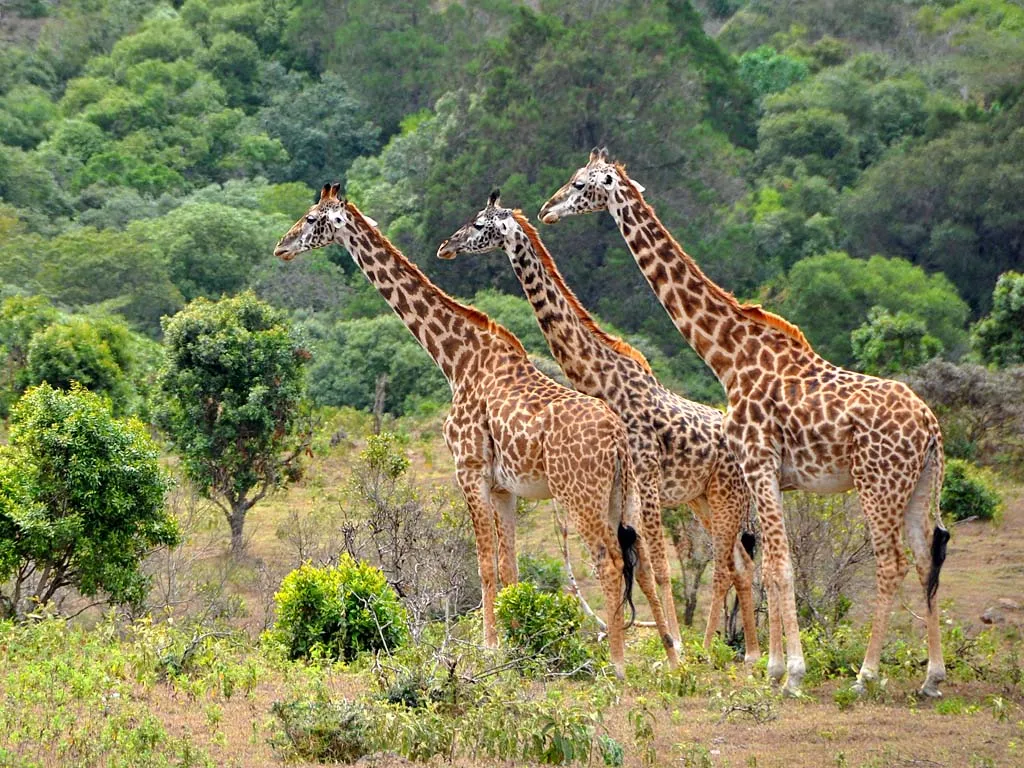
• Giraffe browsing among acacia trees
• Buffalo and zebra grazing
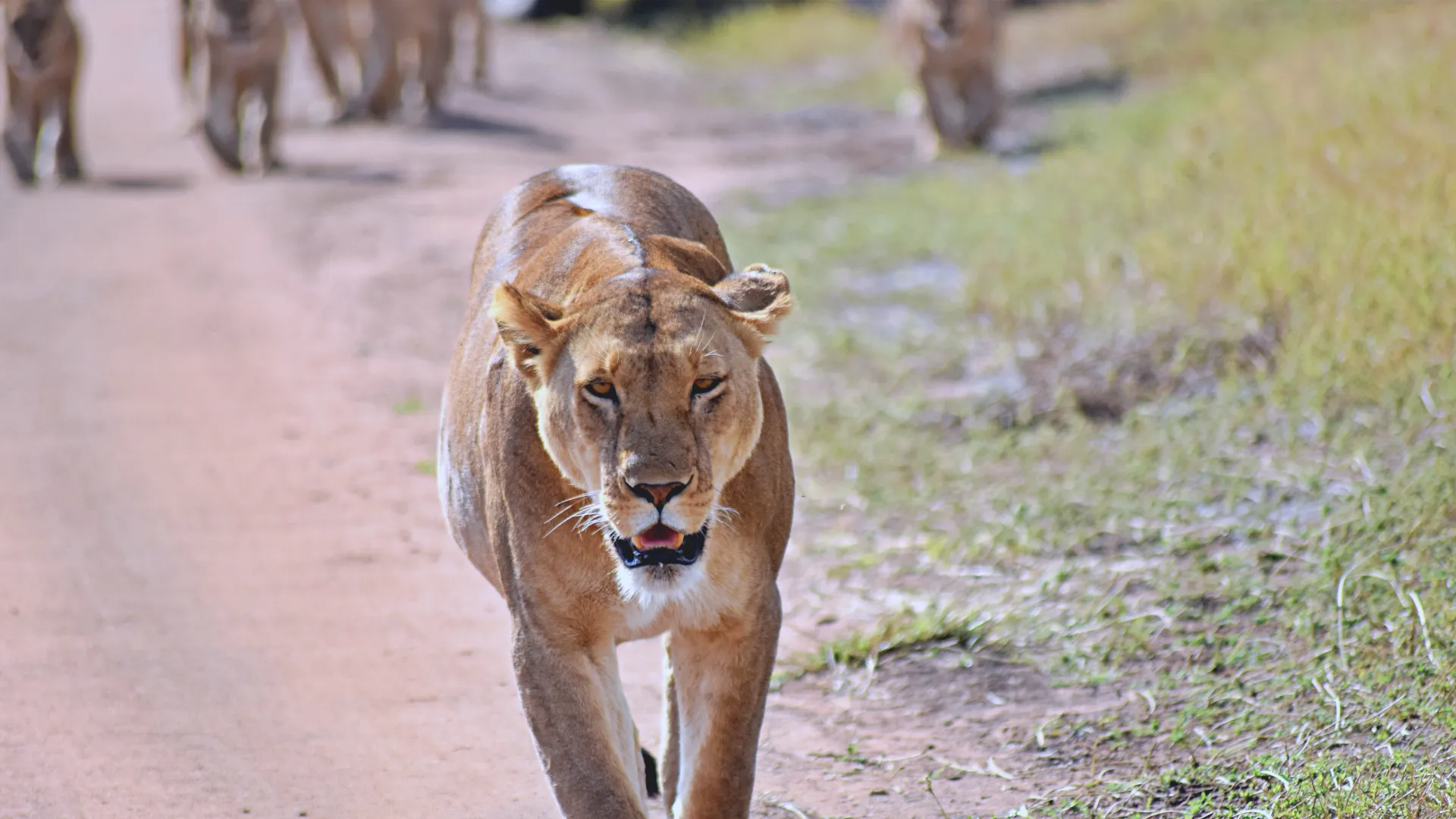
• Lions resting near shaded riverbanks

In the late afternoon, you exit the park and drive to Karatu in the Ngorongoro highlands.

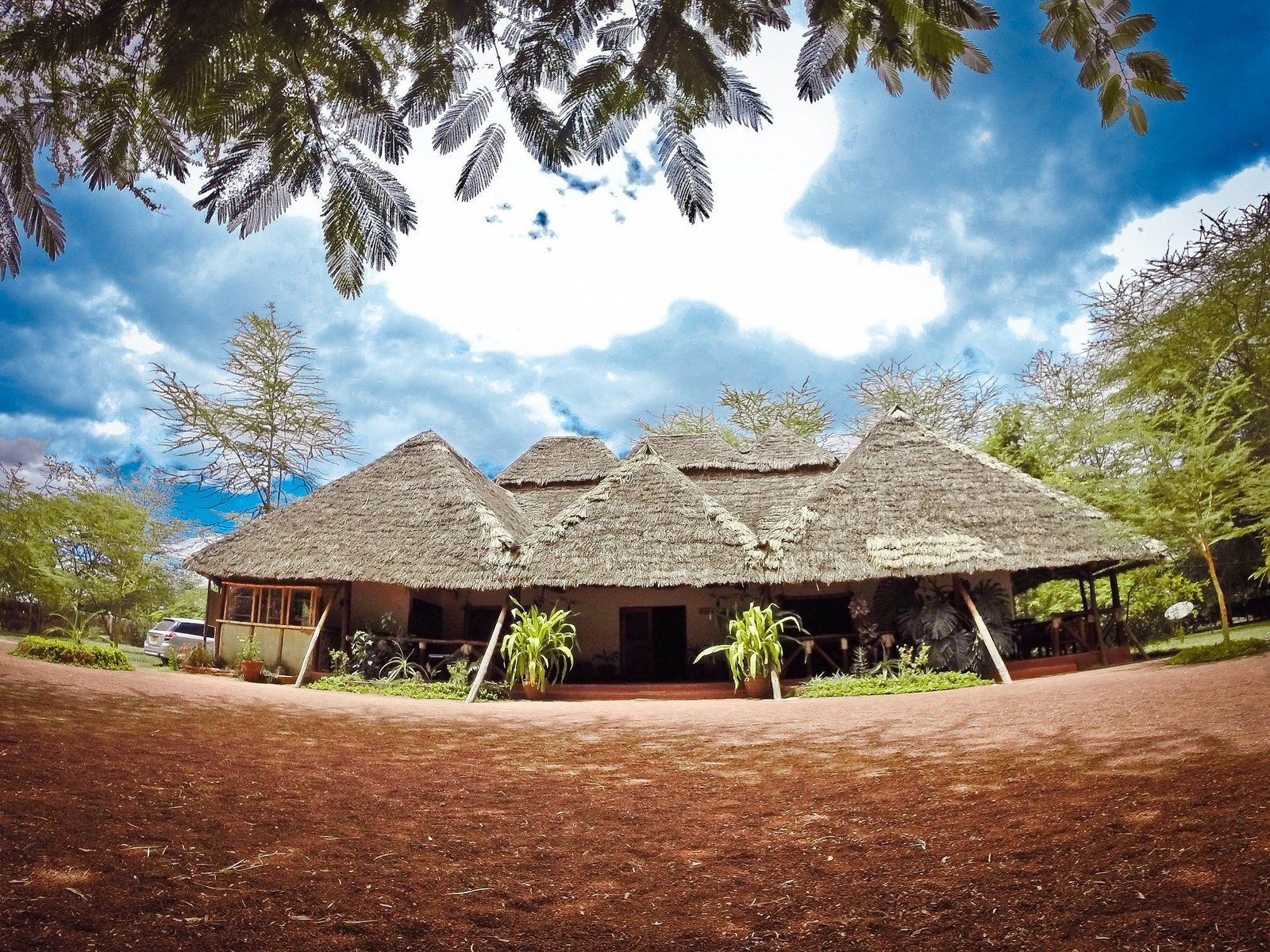
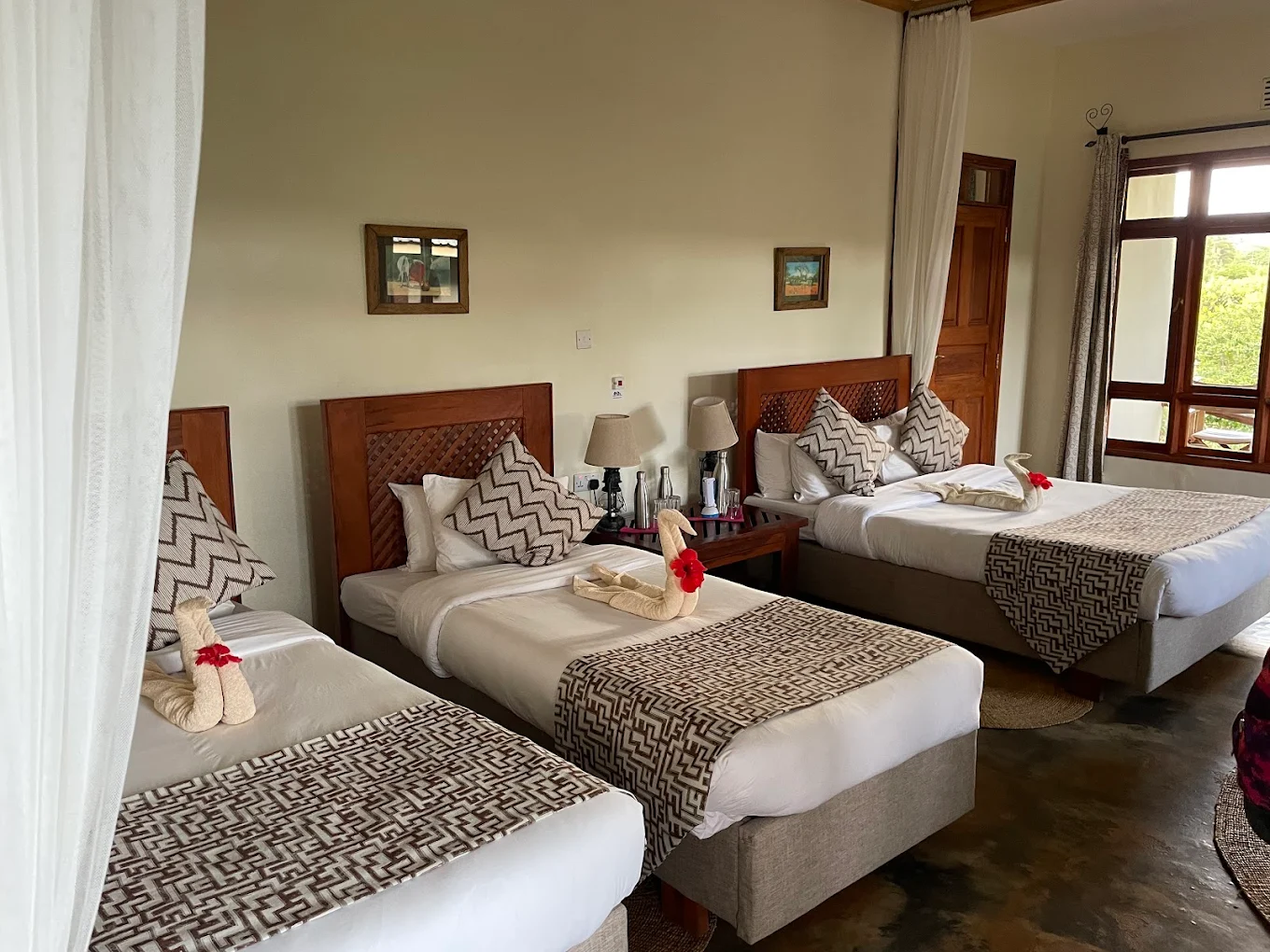
Accommodation: NSYA lodge camp

Meals: FB

2 DAY

Day 2: Karatu → Ngorongoro Crater (Full Day) → Karatu

Destination

(UNESCO World Heritage Site)

The Ngorongoro Crater is a collapsed volcano forming a natural enclosure approximately 600 meters deep. Because water and grazing are available year-round, wildlife remains inside the crater throughout the year.

The crater floor contains open grassland, marsh areas, and small lakes. This supports a dense wildlife population including lion, hyena, buffalo, zebra, and often black rhino.

Day 2: Karatu → Ngorongoro Crater (Full Day) → Karatu

Day Activity

You depart early for the crater rim and descend shortly after the gates open.

The morning is typically the most active time for predators. Game viewing takes place across the crater floor, moving between grazing areas and water sources.

Expect:
• Lion prides
• Buffalo herds
• Zebra and wildebeest
• Hippos in marsh pools
• Possible black rhino sighting

After several hours inside the crater, you ascend and return to Karatu for the night.

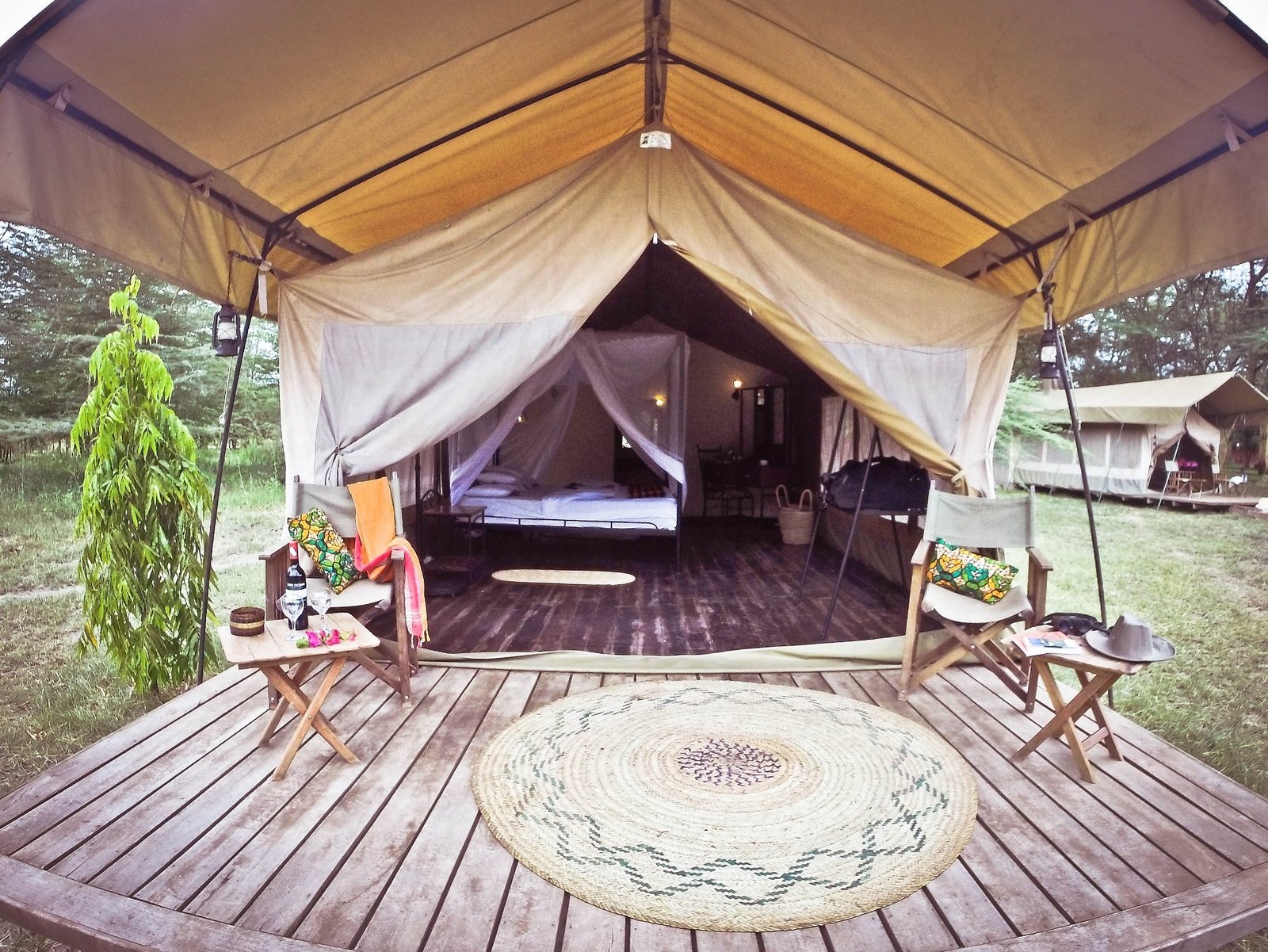
Accommodation: Marrera View Valley

Meals: FB

3 DAY

Day 3: Lake Manyara National Park → Arusha

Destination

Lake Manyara National Park sits beneath the towering wall of the Great Rift Valley escarpment, forming one of the most geographically varied ecosystems in northern Tanzania despite its relatively compact size.

The park is defined by three distinct environmental zones that exist within a short distance of one another:

At the base of the escarpment lies a dense groundwater forest sustained by underground springs flowing from the highlands above. This cool, shaded habitat supports large elephant populations, troops of olive baboons, blue monkeys, and shy forest antelope such as bushbuck.

Beyond the forest, the landscape opens into acacia woodland and grassy floodplains where buffalo, giraffe, zebra, wildebeest, and various antelope species graze. Seasonal watercourses and marshlands attract hippos and a wide variety of birdlife.

The eastern boundary of the park is formed by the shallow alkaline waters of Lake Manyara itself, which expands and contracts with seasonal rains. At certain times of the year, its shores host large gatherings of flamingos along with pelicans, storks, and numerous migratory birds, making the park one of the most rewarding birding locations in the northern circuit.

Because of its layered habitats — forest, woodland, floodplain, and lakeshore — the park supports a high concentration of wildlife within a relatively small area. This creates a safari experience that is visually varied and intimate, offering a different rhythm from the open plains of Serengeti or the enclosed crater environment of Ngorongoro.

Its scenery, changing vegetation, and rich birdlife make it a fitting final stop on a northern circuit safari before returning to Arusha.

Day 3: Lake Manyara National Park → Arusha

Day Activity

ou enter the park in the morning and drive through forest sections where elephants are often seen moving quietly between trees.

Near the lake, you may encounter:
• Hippos in shallow pools
• Buffalo
• Flamingos when water levels allow
• Occasional tree-climbing lions (Occasional)
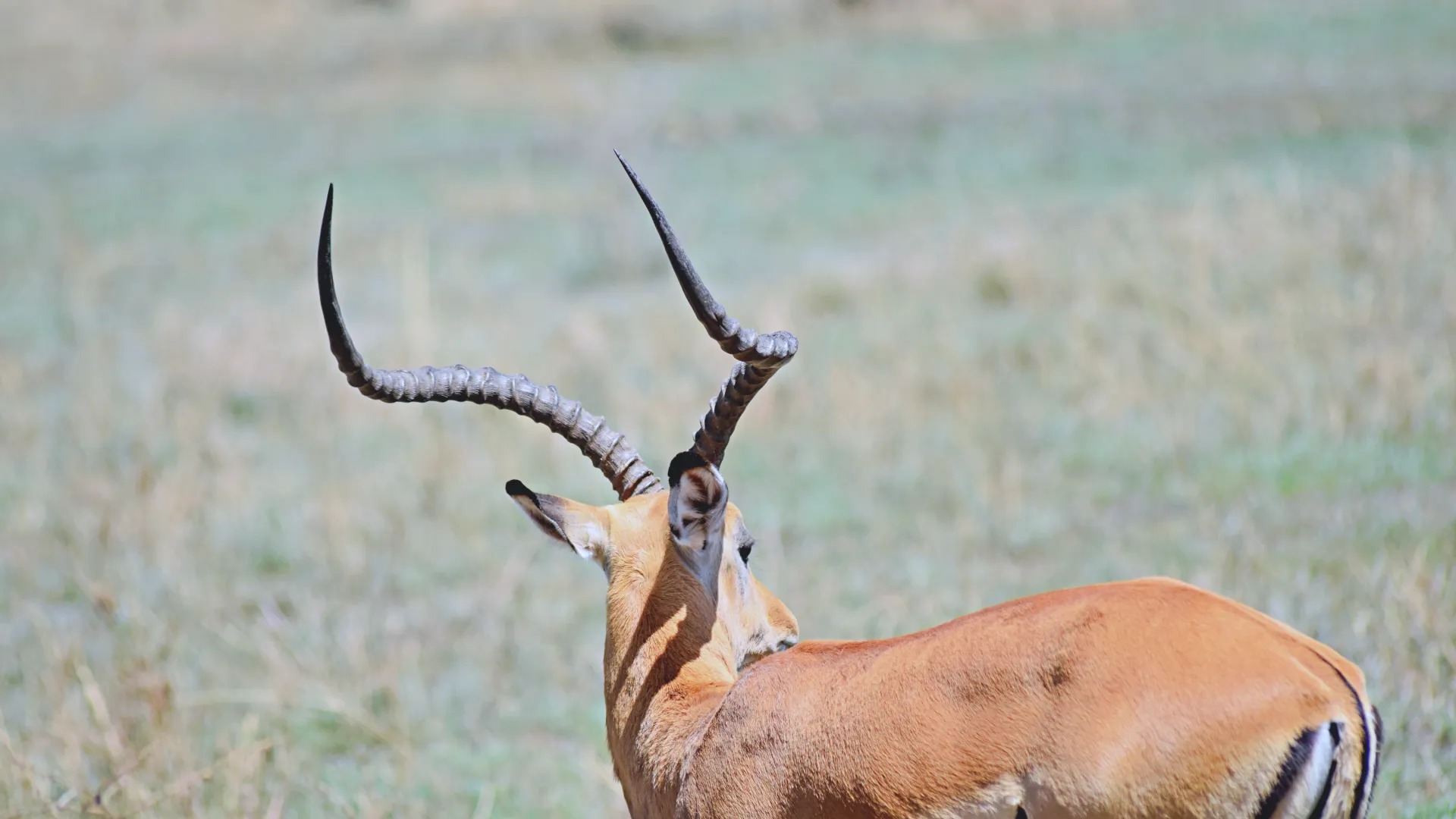
• Antelopes like impala
• Elephants

After the game drive, you return to Arusha in the afternoon.

Meals: FB

Safari Itinerary

1 DAY

Day 1: Arusha → Tarangire National Park → Karatu

Destination

Tarangire is shaped by its river. During the dry season, wildlife gathers along its banks, making sightings consistent and rewarding. The park is known for large elephant herds and scattered baobab trees that dominate the skyline.

Unlike the open Serengeti plains, Tarangire is mostly woodland and savannah, giving a more intimate game viewing experience.

Day 1: Arusha → Tarangire National Park → Karatu

Day Activity

After leaving Arusha in the morning, you enter Tarangire and begin a game drive through river corridors and open clearings.

You may see:
• Elephants moving in family groups
• Giraffe browsing among acacia trees
• Buffalo and zebra grazing
• Lions resting near shaded riverbanks

In the late afternoon, you exit the park and drive to Karatu in the Ngorongoro highlands.

Accommodation: NSYA lodge camp
Meals: FB
2 DAY

Day 2: Karatu → Ngorongoro Crater (Full Day) → Karatu

Destination

(UNESCO World Heritage Site)

The Ngorongoro Crater is a collapsed volcano forming a natural enclosure approximately 600 meters deep. Because water and grazing are available year-round, wildlife remains inside the crater throughout the year.

The crater floor contains open grassland, marsh areas, and small lakes. This supports a dense wildlife population including lion, hyena, buffalo, zebra, and often black rhino.

Day 2: Karatu → Ngorongoro Crater (Full Day) → Karatu

Day Activity

You depart early for the crater rim and descend shortly after the gates open.

The morning is typically the most active time for predators. Game viewing takes place across the crater floor, moving between grazing areas and water sources.

Expect:
• Lion prides
• Buffalo herds
• Zebra and wildebeest
• Hippos in marsh pools
• Possible black rhino sighting

After several hours inside the crater, you ascend and return to Karatu for the night.

Accommodation: Marrera View Valley
Meals: FB
3 DAY

Day 3: Lake Manyara National Park → Arusha

Destination

Lake Manyara National Park sits beneath the towering wall of the Great Rift Valley escarpment, forming one of the most geographically varied ecosystems in northern Tanzania despite its relatively compact size.

The park is defined by three distinct environmental zones that exist within a short distance of one another:

At the base of the escarpment lies a dense groundwater forest sustained by underground springs flowing from the highlands above. This cool, shaded habitat supports large elephant populations, troops of olive baboons, blue monkeys, and shy forest antelope such as bushbuck.

Beyond the forest, the landscape opens into acacia woodland and grassy floodplains where buffalo, giraffe, zebra, wildebeest, and various antelope species graze. Seasonal watercourses and marshlands attract hippos and a wide variety of birdlife.

The eastern boundary of the park is formed by the shallow alkaline waters of Lake Manyara itself, which expands and contracts with seasonal rains. At certain times of the year, its shores host large gatherings of flamingos along with pelicans, storks, and numerous migratory birds, making the park one of the most rewarding birding locations in the northern circuit.

Because of its layered habitats — forest, woodland, floodplain, and lakeshore — the park supports a high concentration of wildlife within a relatively small area. This creates a safari experience that is visually varied and intimate, offering a different rhythm from the open plains of Serengeti or the enclosed crater environment of Ngorongoro.

Its scenery, changing vegetation, and rich birdlife make it a fitting final stop on a northern circuit safari before returning to Arusha.

Day 3: Lake Manyara National Park → Arusha

Day Activity

ou enter the park in the morning and drive through forest sections where elephants are often seen moving quietly between trees.

Near the lake, you may encounter:
• Hippos in shallow pools
• Buffalo
• Flamingos when water levels allow
• Occasional tree-climbing lions (Occasional)
• Antelopes like impala
• Elephants

After the game drive, you return to Arusha in the afternoon.

Meals: FB

Tour Cost

The prices below are shown per person and vary depending on the number of travellers and accommodation category selected. Each range reflects real operating costs, including park and conservation fees (with VAT and other applicable taxes), vehicle use, crater service fees, and accommodation in the chosen category.


Because lodge rates and availability can vary seasonally, we present a minimum–maximum range rather than a fixed number. As group size increases, shared costs are reduced, which lowers the overall price per traveller. Final quotations are confirmed based on exact travel dates and selected lodges.

Tour Cost Includes

Tour Cost Includes

Featured Safaris

Looking to Join Shared Safari?

Check Availability & Start Planning

Shared Safari Form

Safari Inquiry Form