4 Days · Tanzania Safari

4-Day Tarangire, Serengeti and Ngorongoro Safari

Tour Overview

This four-day journey through northern Tanzania is designed as a balanced introduction to the country’s most iconic wildlife landscapes, combining the elephant-rich woodlands of Tarangire, the open plains of the central Serengeti, and the remarkable natural sanctuary of the Ngorongoro Crater. Travel distances are carefully planned to allow for enough time inside each park, creating a safari that feels unhurried, realistic, and deeply connected to place.

Beginning in Arusha, the route follows the natural progression of the ecosystem—from savannah and river valleys to volcanic highlands and finally the vast Serengeti plains—before returning through Ngorongoro for an extended crater game drive. Wildlife viewing focuses on year-round resident animals and predator activity, offering reliable encounters in every season rather than depending on short-term migration events.

Throughout the safari, days follow a gentle rhythm of morning game drives, relaxed midday breaks, with overnight stays positioned for resting inside/outside the parks. The experience is guided by professional local expertise, allowing you to navigate these landscapes with context, patience, and a genuine sense of the African wilderness. This itinerary is especially suited for travelers seeking a short yet comprehensive classic safari, concluding conveniently in Arusha or at Kilimanjaro International Airport, depending on their onward travel plans.

Route Summary

Tarangire · Serengeti · Ngorongoro Crater

Day 1: Arusha Tarangire National Park overnight in Karatu
Day 2: Karatu / Ngorongoro highlands Central Serengeti
Day 3: Full day in Serengeti Ngorongoro Conservation Area
Day 4: Ngorongoro Crater safari Arusha

Highlights

Safari Itinerary

1 DAY

Day 1 — Arusha to Tarangire National Park

Destination

Tarangire National Park is one of Tanzania’s most scenic and ecologically important parks, covering approximately 2,850 square kilometers. The park is defined by the Tarangire River, which serves as the primary water source and attracts wildlife, especially during the dry season.

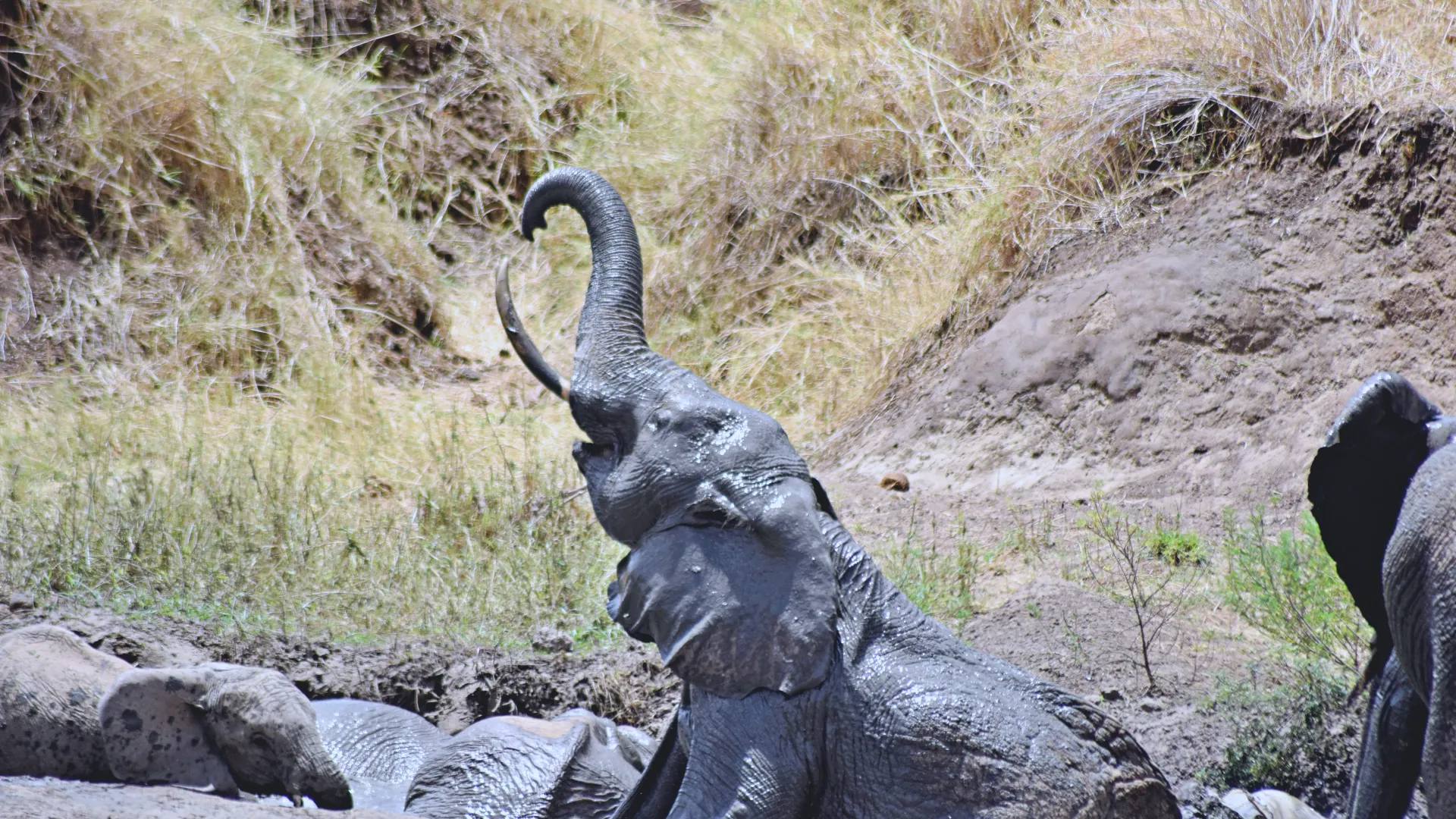
The landscape is dominated by ancient baobab trees, open savannah, and seasonal swamps. Tarangire is particularly famous for its large elephant herds, often seen in significant numbers along the river.

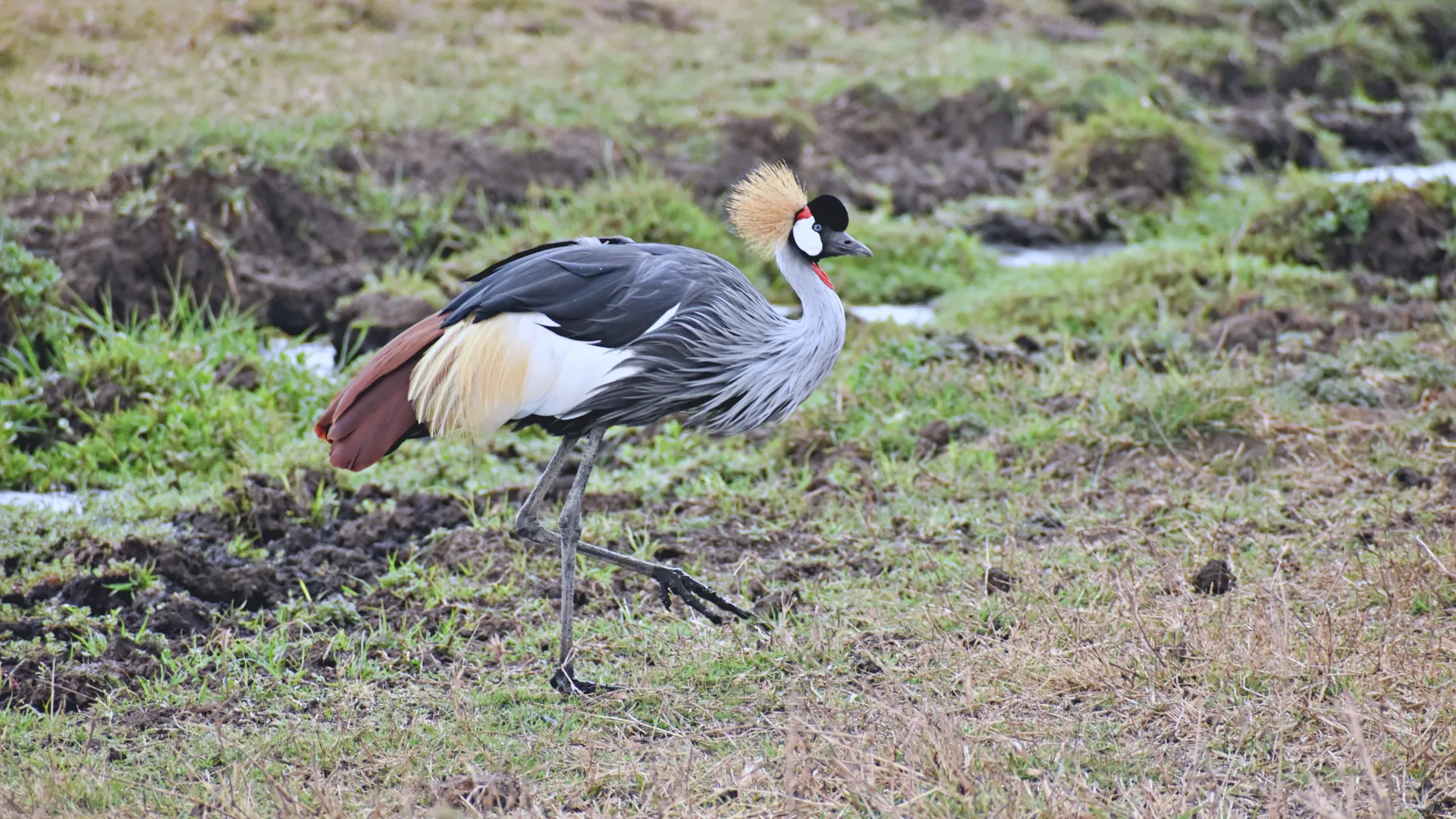
In addition to elephants, visitors may encounter lions, giraffes, zebras, wildebeest, buffalo, and a wide range of bird species. The park’s quieter atmosphere compared to Serengeti makes it ideal for a relaxed and immersive safari experience.

Day 1 — Arusha to Tarangire National Park

Day Activity

You spend the late morning on a slow, unhurried game drive, stopping whenever something draws attention—a track in the dust, distant movement in the grass, or birds gathering near water.
Lunch is taken at a designated picnic site inside the park, allowing time to stretch, breathe, and take in the surroundings.

In the afternoon, wildlife activity gradually builds again as the light softens.
Later, you leave the park and climb toward the cool green highlands of Karatu, where farms and coffee trees replace the dry savannah.

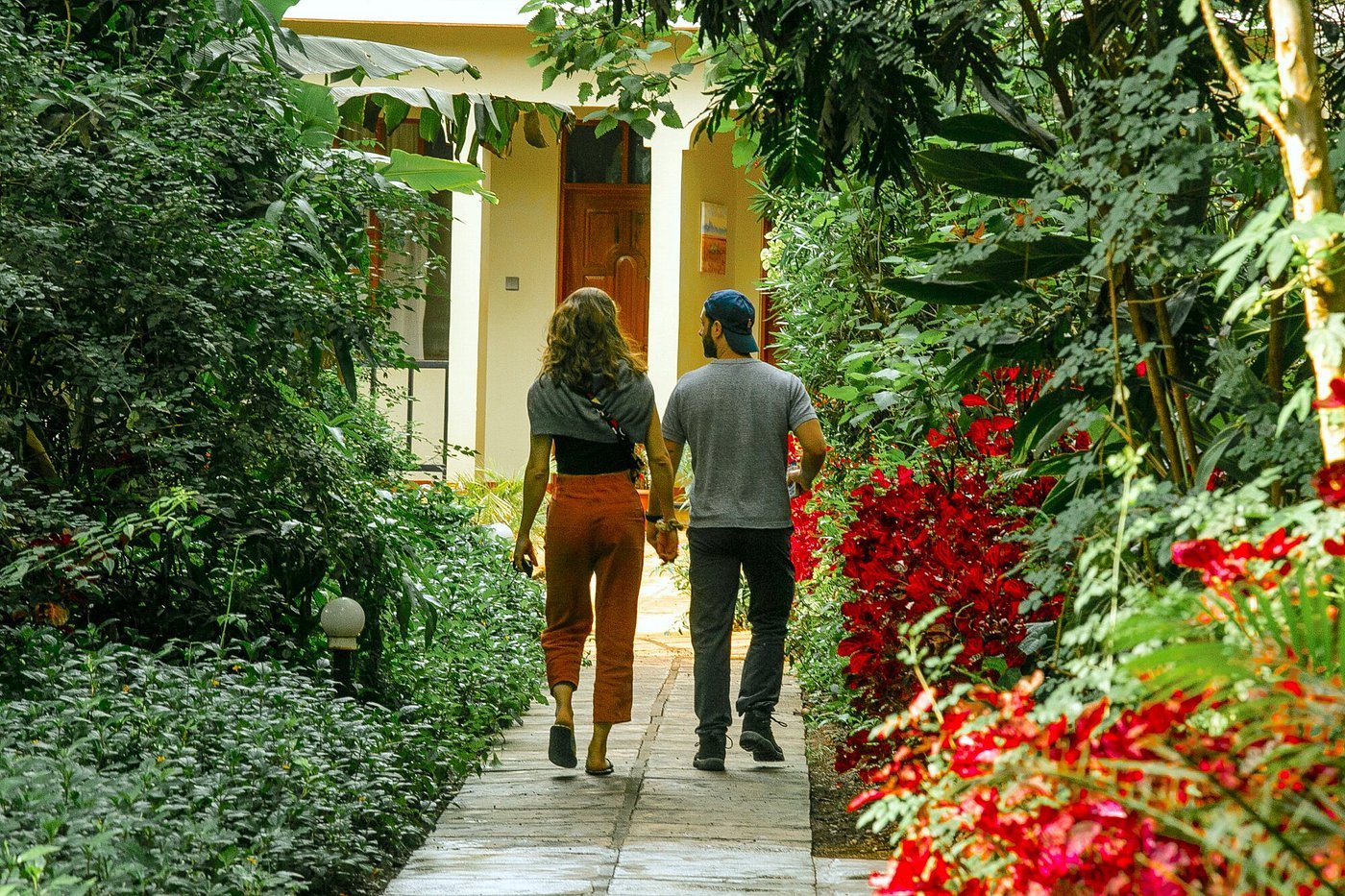
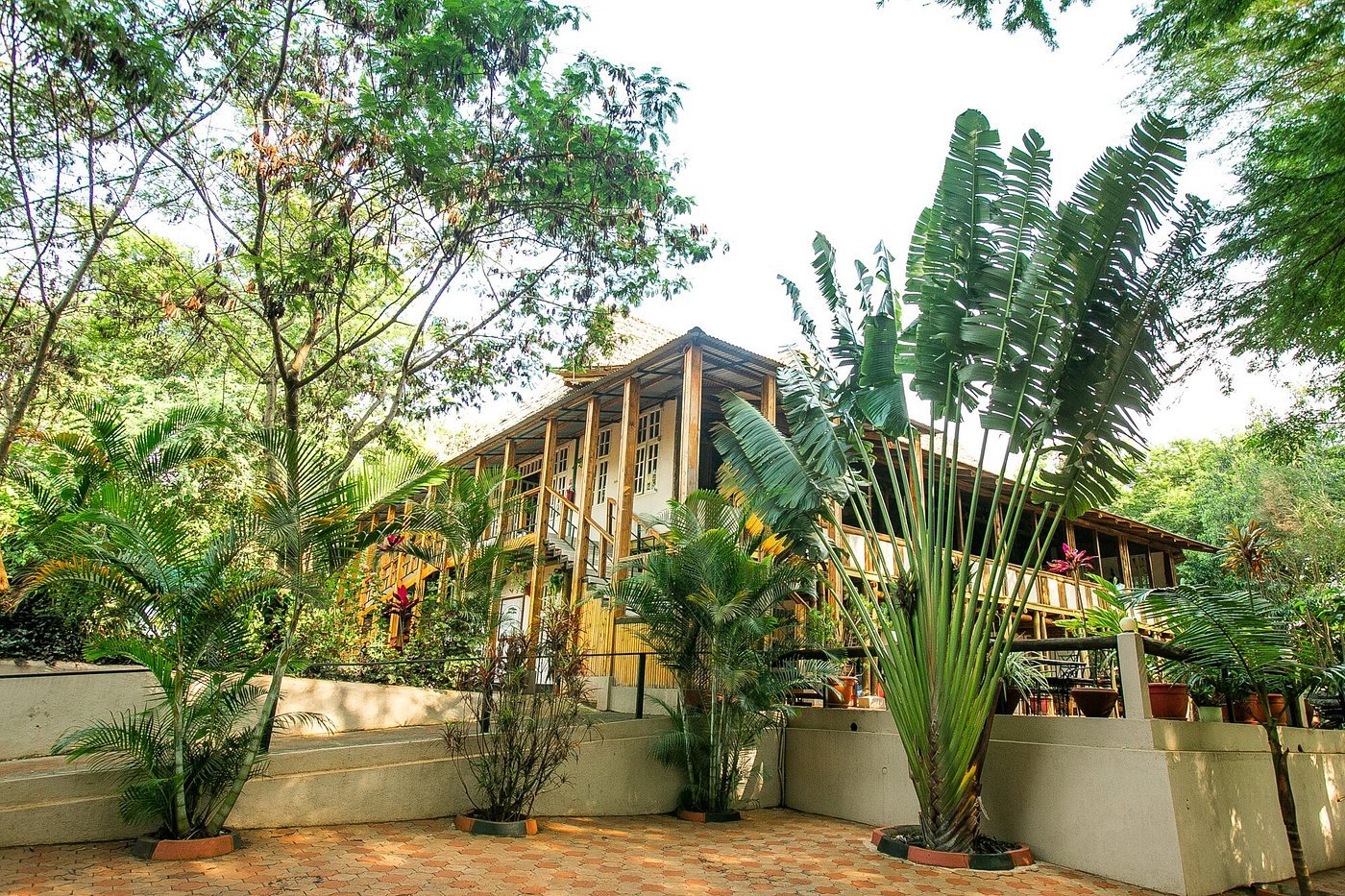
Accommodation: Eileen's Tree Inn

Meals: FB

2 DAY

Day 2 — Karatu to Serengeti National Park

Destination

Serengeti National Park is one of the most established wildlife ecosystems in Africa. The park sits on a broad plateau shaped by ancient volcanic activity from the Ngorongoro Highlands. Its soils support short grass plains in the south and mixed savannah with acacia woodland in the central areas.

Key features include:

· Open grazing plains
· Granite kopjes used by predators
· Seasonal watercourses
· Riverine vegetation

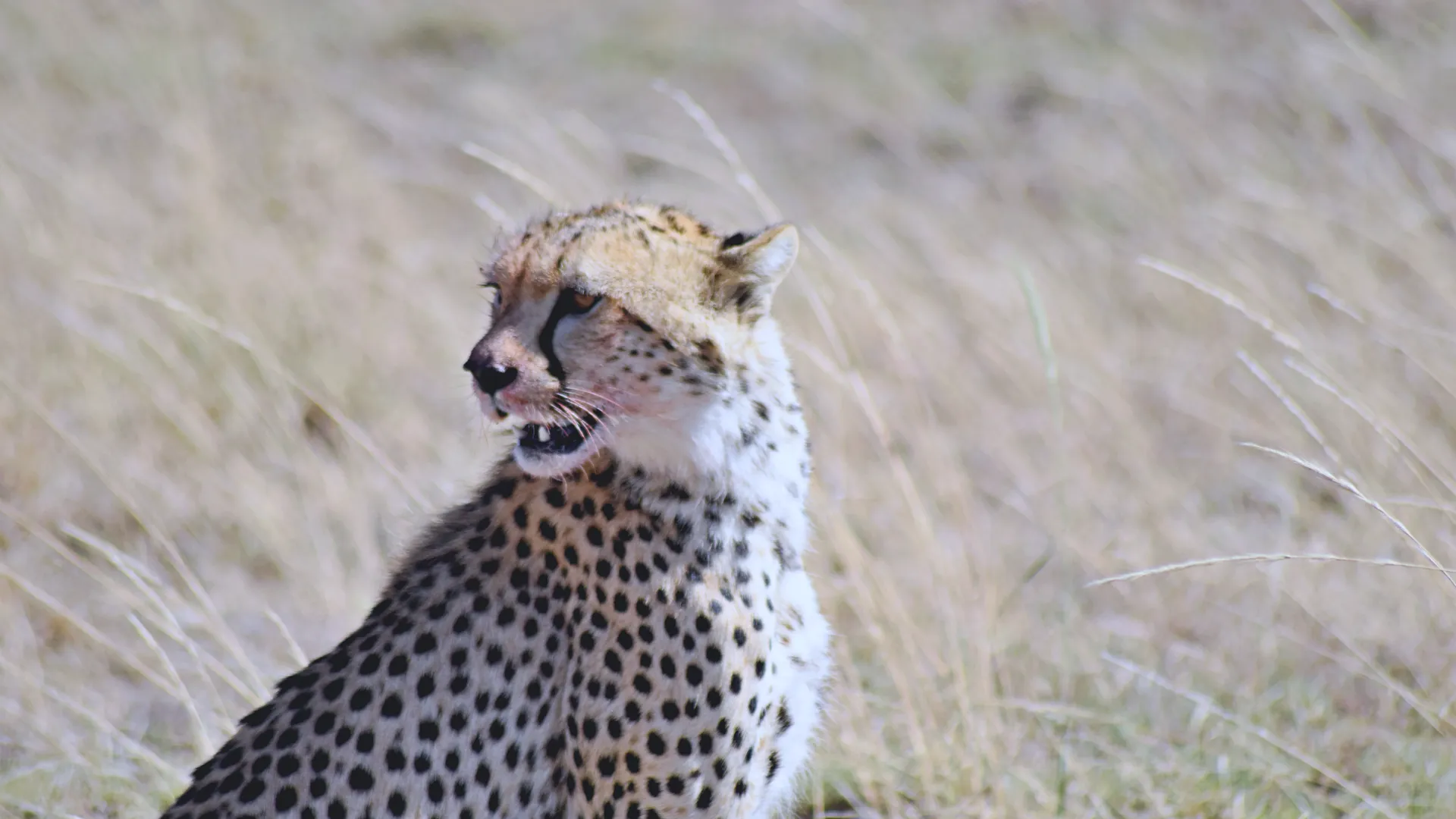
Serengeti supports large populations of herbivores such as wildebeest, zebra, and gazelle, alongside resident predators including lion, hyena, leopard, and cheetah. This balance between prey and predator has remained stable for generations.

Day 2 — Karatu to Serengeti National Park

Day Activity

After formalities at the park gate, the drive continues deeper into the Serengeti with game viewing beginning along the way. Wildlife sightings often start soon after entering the plains, and the journey itself becomes part of the safari experience.

A picnic lunch is taken at a safe location inside the park before continuing with an afternoon game drive toward the central Serengeti, an area known for year-round wildlife presence and good chances of seeing big cats.
The pace remains unhurried, allowing time to follow sightings and adapt to the movement of animals across the plains.

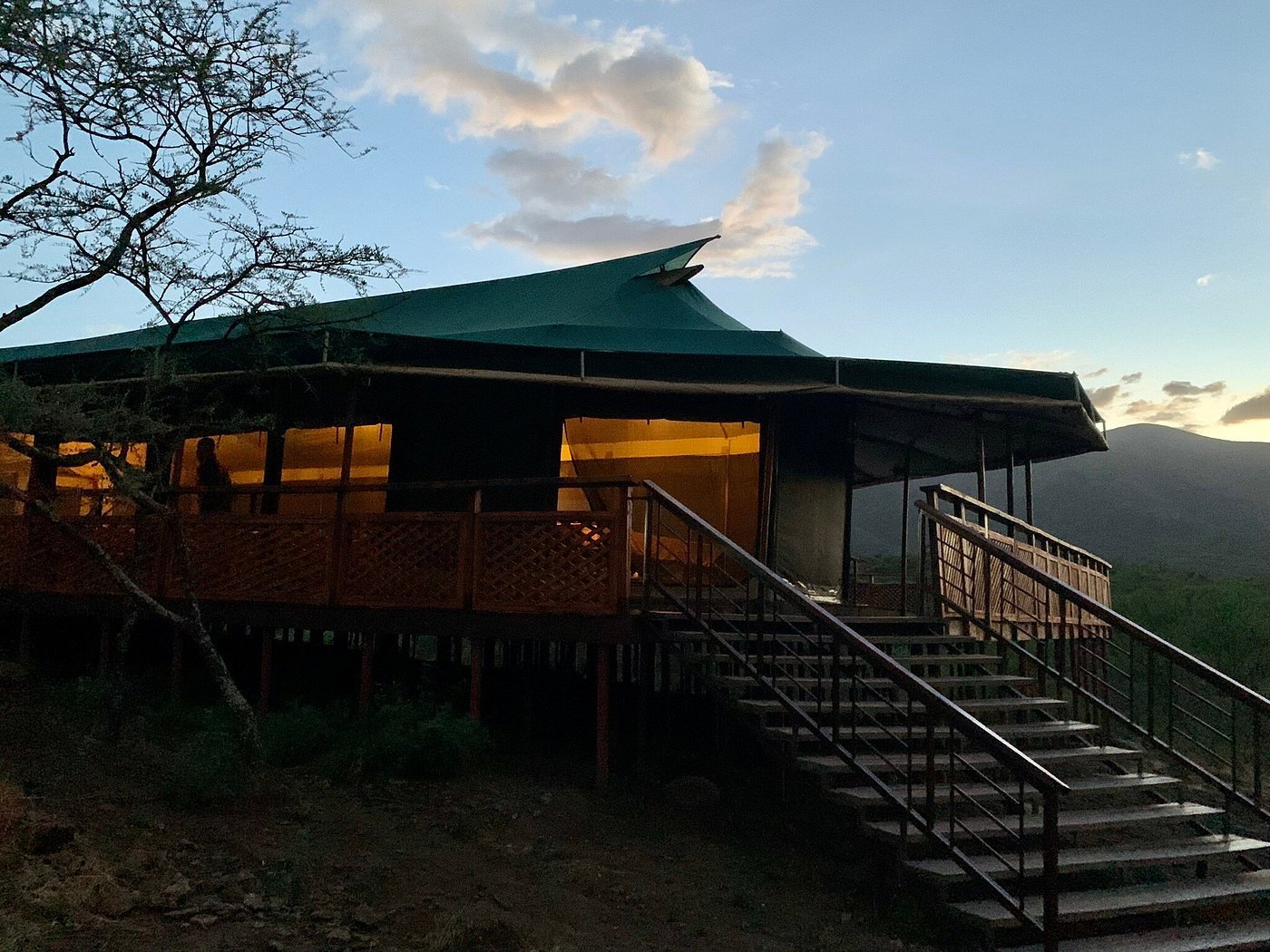
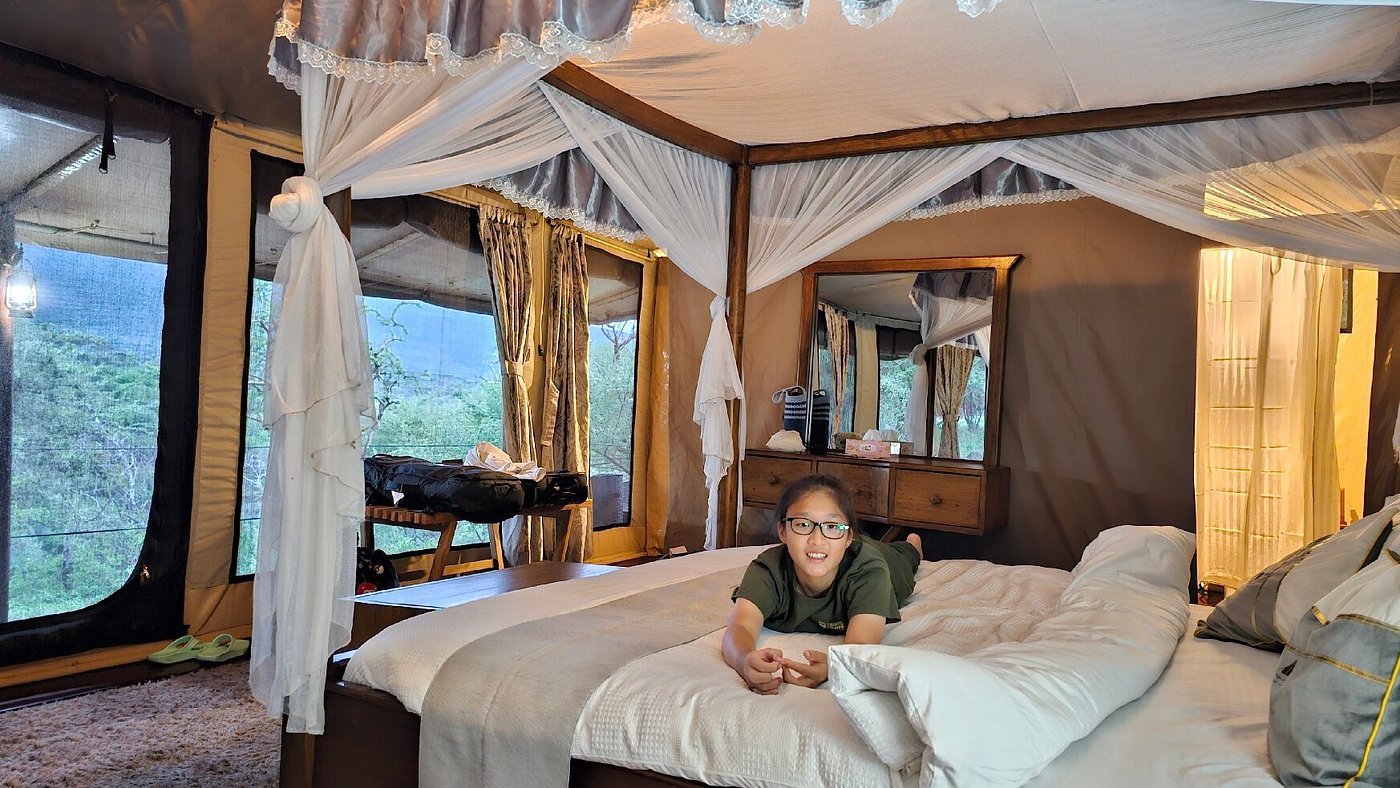
Accommodation: Embalakai Serengeti Camp

Meals: FB

3 DAY

Day 3 — Central Serengeti to Ngorongoro Highlands

Destination

Central Serengeti is known for its resident wildlife population, which remains throughout the year regardless of seasonal migration movement elsewhere in the ecosystem.
Open plains, scattered kopjes, and permanent water sources create reliable habitat for lion, leopard, cheetah, elephant, and large herds of grazing animals.

Day 3 — Central Serengeti to Ngorongoro Highlands

Day Activity

The morning game drive focuses on following fresh tracks, predator movement, and grazing herds across the plains, taking advantage of the cooler hours when animals are most active.
Because this itinerary remains in the central region, wildlife viewing relies on resident species rather than seasonal migration crossings, offering a different but equally rewarding safari experience.

After several hours of exploration, you stop for a picnic lunch before gradually leaving the Serengeti and driving back through the Ngorongoro Conservation Area.
The scenery shifts once more—from wide grasslands to rising volcanic highlands—marking the final transition of the safari.

Accommodation: Embalakai Ngorongoro Tented Camps

Meals: FB

4 DAY

Day 4 — Ngorongoro Crater to Arusha / Departure

Destination

Often described as a natural wildlife sanctuary, the Ngorongoro Crater supports a high concentration of animals within a relatively small area, including lion, elephant, buffalo, hyena, and—on fortunate days—the rare black rhino.
Permanent water sources and open grassland make wildlife viewing here consistent throughout the year.

Day Activity

The morning is spent exploring different parts of the crater floor, moving slowly between forests, open plains, and the lakeshore where hippos and birdlife gather.
With no long-distance travel inside the crater, there is time for unhurried wildlife observation and photography.

After the game drive, you ascend the crater wall and begin the return journey across the Ngorongoro highlands toward Arusha. Arrival time is adjusted to match your flight schedule or overnight hotel plan, ensuring a smooth and unhurried end to the safari.

Meals: FB

Safari Itinerary

1 DAY

Day 1 — Arusha to Tarangire National Park

Destination

Tarangire National Park is one of Tanzania’s most scenic and ecologically important parks, covering approximately 2,850 square kilometers. The park is defined by the Tarangire River, which serves as the primary water source and attracts wildlife, especially during the dry season.

The landscape is dominated by ancient baobab trees, open savannah, and seasonal swamps. Tarangire is particularly famous for its large elephant herds, often seen in significant numbers along the river.

In addition to elephants, visitors may encounter lions, giraffes, zebras, wildebeest, buffalo, and a wide range of bird species. The park’s quieter atmosphere compared to Serengeti makes it ideal for a relaxed and immersive safari experience.

Day 1 — Arusha to Tarangire National Park

Day Activity

You spend the late morning on a slow, unhurried game drive, stopping whenever something draws attention—a track in the dust, distant movement in the grass, or birds gathering near water.
Lunch is taken at a designated picnic site inside the park, allowing time to stretch, breathe, and take in the surroundings.

In the afternoon, wildlife activity gradually builds again as the light softens.
Later, you leave the park and climb toward the cool green highlands of Karatu, where farms and coffee trees replace the dry savannah.

Accommodation: Eileen's Tree Inn
Meals: FB
2 DAY

Day 2 — Karatu to Serengeti National Park

Destination

Serengeti National Park is one of the most established wildlife ecosystems in Africa. The park sits on a broad plateau shaped by ancient volcanic activity from the Ngorongoro Highlands. Its soils support short grass plains in the south and mixed savannah with acacia woodland in the central areas.

Key features include:

· Open grazing plains
· Granite kopjes used by predators
· Seasonal watercourses
· Riverine vegetation

Serengeti supports large populations of herbivores such as wildebeest, zebra, and gazelle, alongside resident predators including lion, hyena, leopard, and cheetah. This balance between prey and predator has remained stable for generations.

Day 2 — Karatu to Serengeti National Park

Day Activity

After formalities at the park gate, the drive continues deeper into the Serengeti with game viewing beginning along the way. Wildlife sightings often start soon after entering the plains, and the journey itself becomes part of the safari experience.

A picnic lunch is taken at a safe location inside the park before continuing with an afternoon game drive toward the central Serengeti, an area known for year-round wildlife presence and good chances of seeing big cats.
The pace remains unhurried, allowing time to follow sightings and adapt to the movement of animals across the plains.

Accommodation: Embalakai Serengeti Camp
Meals: FB
3 DAY

Day 3 — Central Serengeti to Ngorongoro Highlands

Destination

Central Serengeti is known for its resident wildlife population, which remains throughout the year regardless of seasonal migration movement elsewhere in the ecosystem.
Open plains, scattered kopjes, and permanent water sources create reliable habitat for lion, leopard, cheetah, elephant, and large herds of grazing animals.

Day 3 — Central Serengeti to Ngorongoro Highlands

Day Activity

The morning game drive focuses on following fresh tracks, predator movement, and grazing herds across the plains, taking advantage of the cooler hours when animals are most active.
Because this itinerary remains in the central region, wildlife viewing relies on resident species rather than seasonal migration crossings, offering a different but equally rewarding safari experience.

After several hours of exploration, you stop for a picnic lunch before gradually leaving the Serengeti and driving back through the Ngorongoro Conservation Area.
The scenery shifts once more—from wide grasslands to rising volcanic highlands—marking the final transition of the safari.

Accommodation: Embalakai Ngorongoro Tented Camps
Meals: FB
4 DAY

Day 4 — Ngorongoro Crater to Arusha / Departure

Destination

Often described as a natural wildlife sanctuary, the Ngorongoro Crater supports a high concentration of animals within a relatively small area, including lion, elephant, buffalo, hyena, and—on fortunate days—the rare black rhino.
Permanent water sources and open grassland make wildlife viewing here consistent throughout the year.

Day Activity

The morning is spent exploring different parts of the crater floor, moving slowly between forests, open plains, and the lakeshore where hippos and birdlife gather.
With no long-distance travel inside the crater, there is time for unhurried wildlife observation and photography.

After the game drive, you ascend the crater wall and begin the return journey across the Ngorongoro highlands toward Arusha. Arrival time is adjusted to match your flight schedule or overnight hotel plan, ensuring a smooth and unhurried end to the safari.

Meals: FB

Tour Cost

The prices below are shown per person and vary depending on the number of travellers and accommodation category selected. Each range reflects real operating costs, including park and conservation fees (with VAT and other applicable taxes), vehicle use, crater service fees, and accommodation in the chosen category.


Because lodge rates and availability can vary seasonally, we present a minimum–maximum range rather than a fixed number. As group size increases, shared costs are reduced, which lowers the overall price per traveller. Final quotations are confirmed based on exact travel dates and selected lodges.

Tour Cost Includes

Tour Cost Includes

Featured Safaris

Looking to Join Shared Safari?

Check Availability & Start Planning

Shared Safari Form

Safari Inquiry Form