3 Days · Tanzania Safari

3-Day Serengeti and Ngorongoro Camping Safari

Tour Overview

This three-day camping safari offers a focused journey through two of Tanzania’s most recognized wildlife areas — Serengeti National Park and the Ngorongoro Crater.

The experience combines long-distance game viewing across open savannah with close observation of wildlife in a contained crater ecosystem. Travelling from Arusha through the Ngorongoro Highlands into the Serengeti allows guests to move gradually from settled landscapes into protected wilderness.

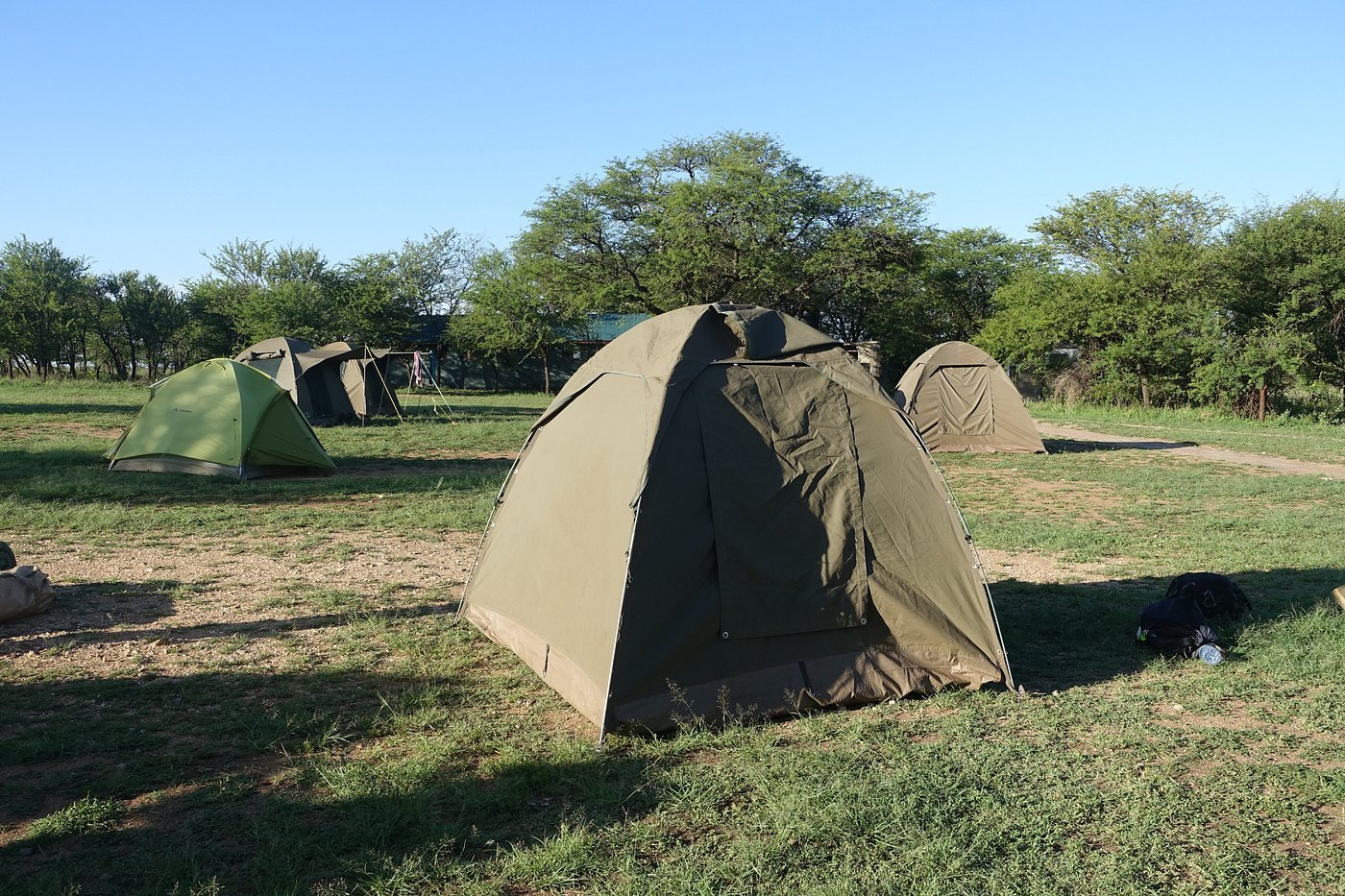
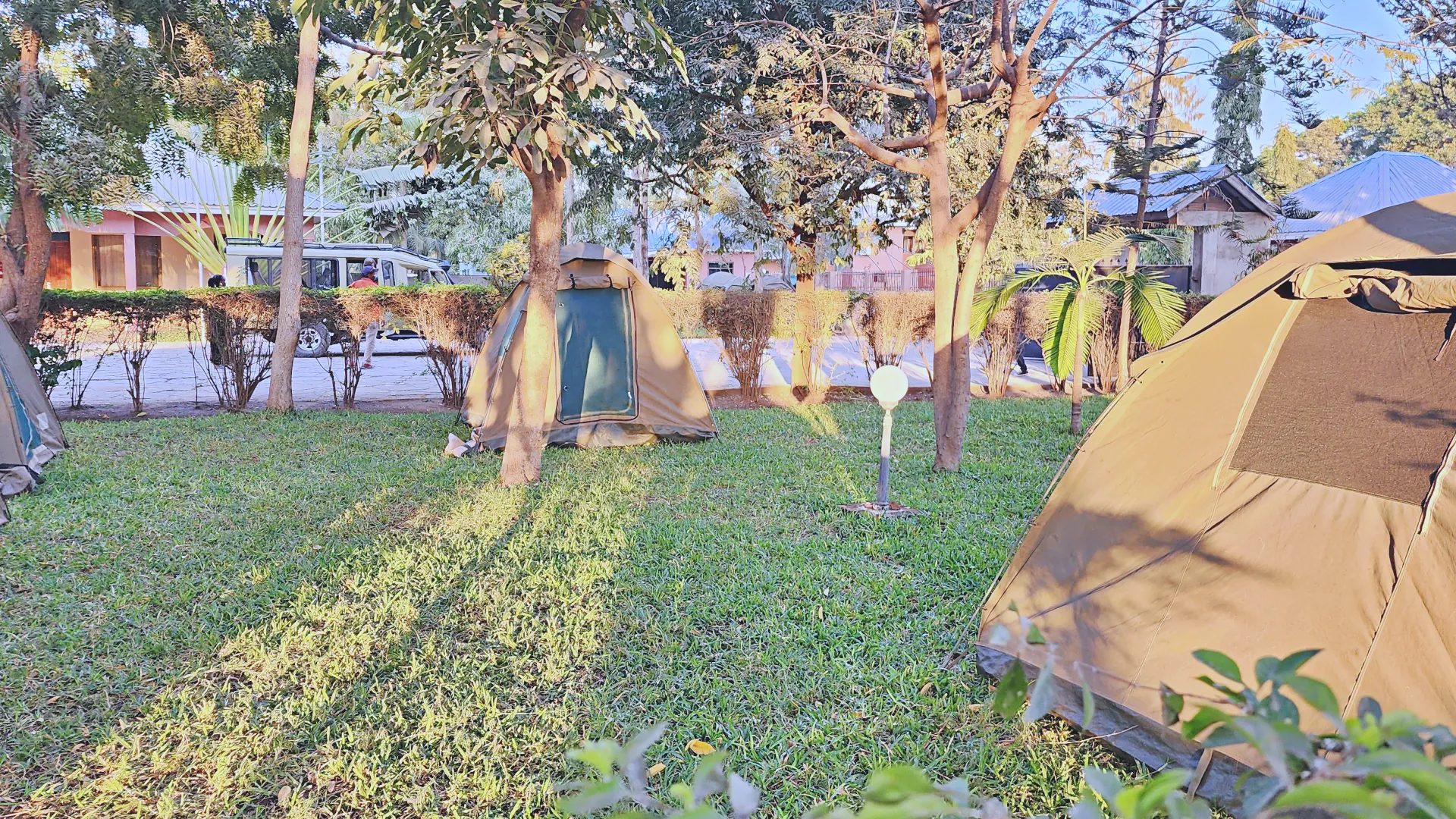
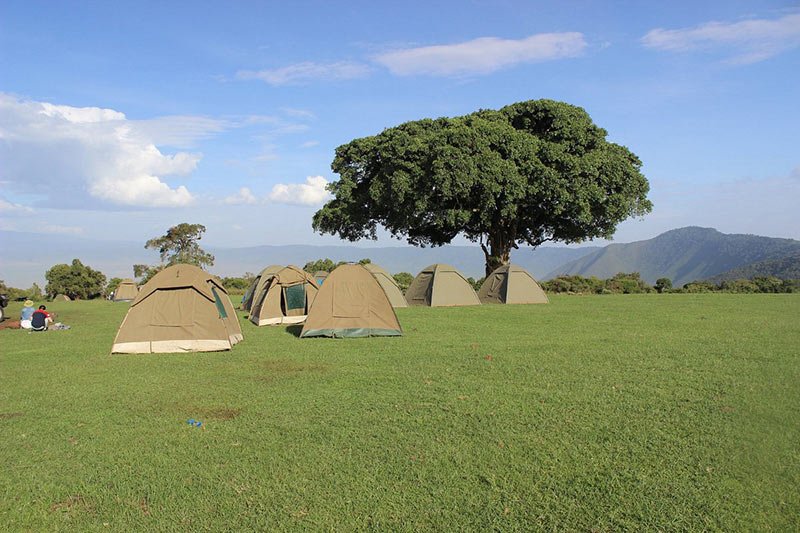
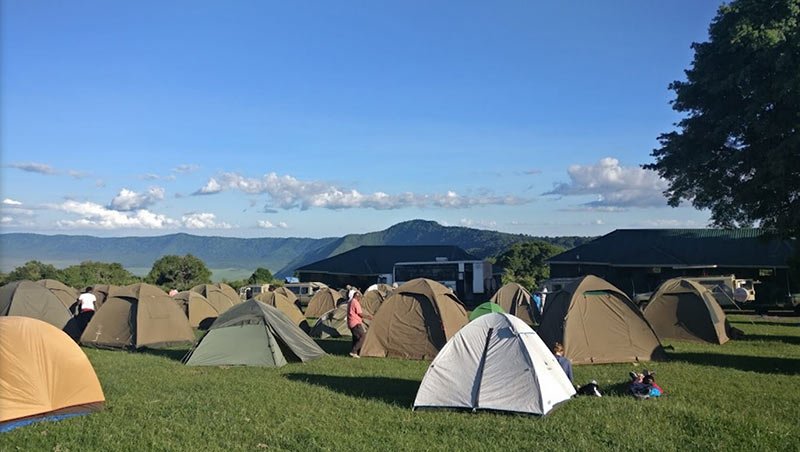
Overnight stays take place inside the parks at public campsites, providing a direct connection to the environment rather than viewing it from outside boundaries. The route is designed for travellers seeking a practical and immersive safari experience while keeping accommodation simple and functional.

Route Summary

Arusha · Serengeti National Park · Ngorongoro Crater

Day 1: Arusha Serengeti National Park
Day 2: Serengeti Ngorongoro Conservation Area
Day 3: Ngorongoro Crater Arusha

Highlights

Safari Itinerary

1 DAY

Day 1 – Arusha to Serengeti National Park

Destination

Serengeti National Park is one of the most established wildlife ecosystems in Africa. The park sits on a broad plateau shaped by ancient volcanic activity from the Ngorongoro Highlands. Its soils support short grass plains in the south and mixed savannah with acacia woodland in the central areas.

Key features include:

· Open grazing plains
· Granite kopjes used by predators
· Seasonal watercourses
· Riverine vegetation

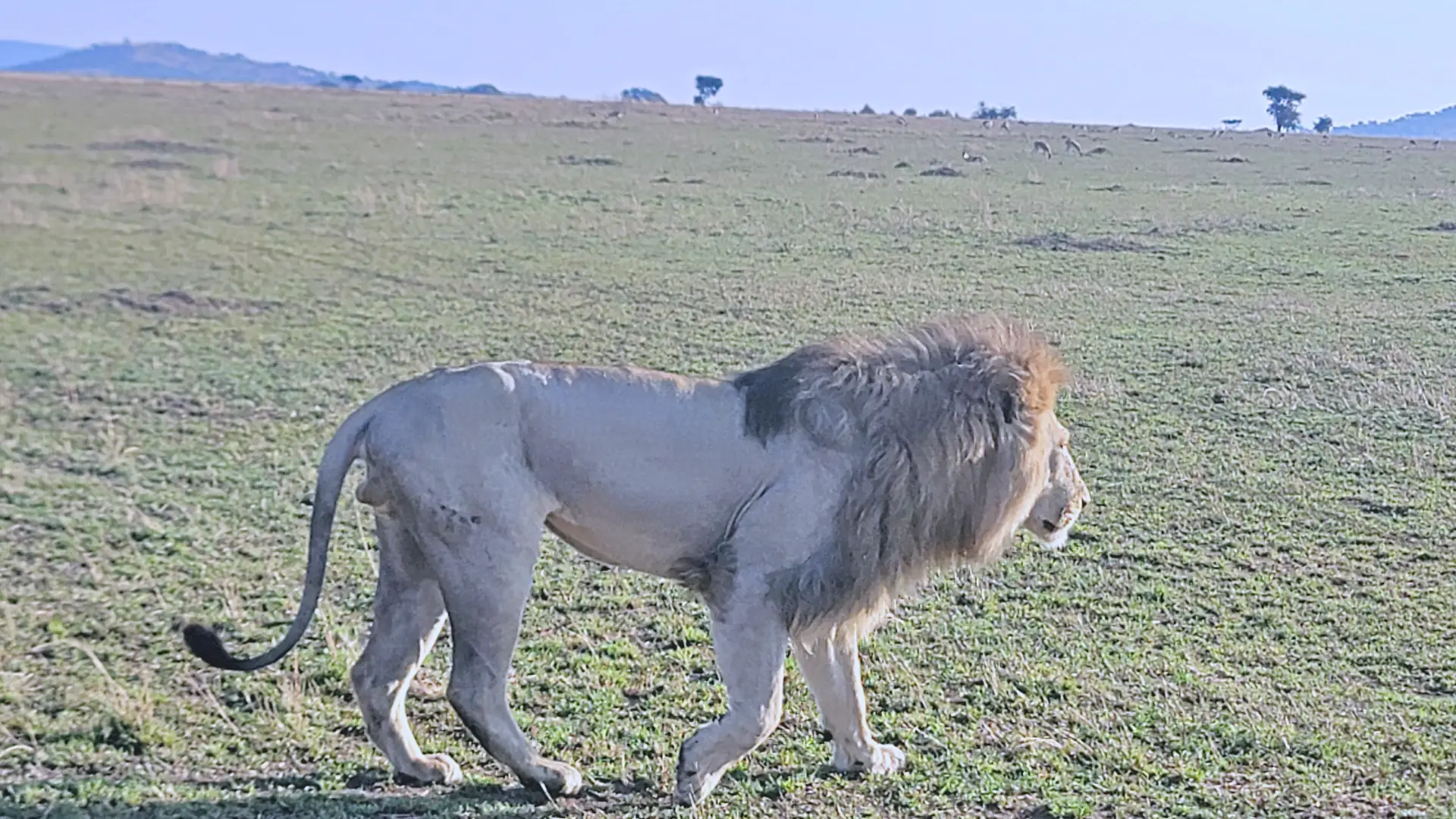
Serengeti supports large populations of herbivores such as wildebeest, zebra, and gazelle, alongside resident predators including lion, hyena, leopard, and cheetah. This balance between prey and predator has remained stable for generations.

Day 1 – Arusha to Serengeti National Park

Day Activity

After entering Serengeti National Park, the afternoon is spent on a game drive toward the central campsite. This first drive serves as both wildlife viewing and ecological orientation to the Serengeti system.

The route typically passes through open grazing areas and sections of acacia-dotted savannah where herbivores are often concentrated. Wildebeest and zebra are frequently encountered moving in loose feeding groups, while giraffes browse on mid-level vegetation beyond the reach of most grazers. Elephants may be seen navigating between feeding grounds, often using established paths that reflect long-term movement patterns.

Predators such as lions and hyenas are commonly found resting during daylight hours near kopjes or shaded areas, conserving energy for later activity. Your guide will interpret these behaviours in relation to temperature, prey distribution, and territorial structure.

Attention is also given to smaller ecological indicators such as termite mounds, bird presence, and grazing patterns, which help explain how different species use the same landscape without direct competition.

The drive concludes at the public campsite where the overnight stay takes place within the park boundary.

Accommodation: Nguchiro Public Campsite

Meals: FB

2 DAY

Day 2 – Serengeti to Ngorongoro Conservation Area

Destination

Serengeti National Park forms the ecological core of northern Tanzania’s wildlife system and is part of a larger migration landscape that extends into Kenya’s Maasai Mara. The park lies on a high plateau between the Ngorongoro Highlands and Lake Victoria basin, shaped by ancient volcanic activity that produced nutrient-rich soils supporting extensive grasslands.

Its terrain includes open plains, scattered acacia woodland, seasonal rivers, and granite kopjes which serve as shelter and vantage points for predators. This mix of habitats allows different species to occupy specific ecological niches throughout the year.

Serengeti supports one of the highest concentrations of grazing animals in Africa, including wildebeest, zebra, and gazelle. These herbivores form the foundation of a stable predator population made up of lion, hyena, cheetah, and leopard. Movement across the park follows rainfall patterns and pasture availability rather than fixed boundaries, making Serengeti a dynamic rather than static environment.

The ecosystem has remained largely intact due to its size and continuity with surrounding conservation areas, allowing natural processes such as migration, breeding cycles, and predator-prey balance to function without major interruption.

Day 2 – Serengeti to Ngorongoro Conservation Area

Day Activity

After entering Serengeti National Park, the afternoon is spent on a game drive toward the central campsite. This first drive serves as both wildlife viewing and ecological orientation to the Serengeti system.

The route typically passes through open grazing areas and sections of acacia-dotted savannah where herbivores are often concentrated. Wildebeest and zebra are frequently encountered moving in loose feeding groups, while giraffes browse on mid-level vegetation beyond the reach of most grazers. Elephants may be seen navigating between feeding grounds, often using established paths that reflect long-term movement patterns.

Predators such as lions and hyenas are commonly found resting during daylight hours near kopjes or shaded areas, conserving energy for later activity. Your guide will interpret these behaviours in relation to temperature, prey distribution, and territorial structure.

Attention is also given to smaller ecological indicators such as termite mounds, bird presence, and grazing patterns, which help explain how different species use the same landscape without direct competition.

The drive concludes at the public campsite where the overnight stay takes place within the park boundary.

Accommodation: Simba Public Campsite

Meals: FB

3 DAY

Day 3 – Ngorongoro Crater to Arusha

Destination

Ngorongoro Conservation Area occupies the transitional zone between Serengeti’s open plains and the cultivated highlands of northern Tanzania. Unlike national parks, it is a multiple land-use area where wildlife conservation exists alongside traditional Maasai pastoralism.

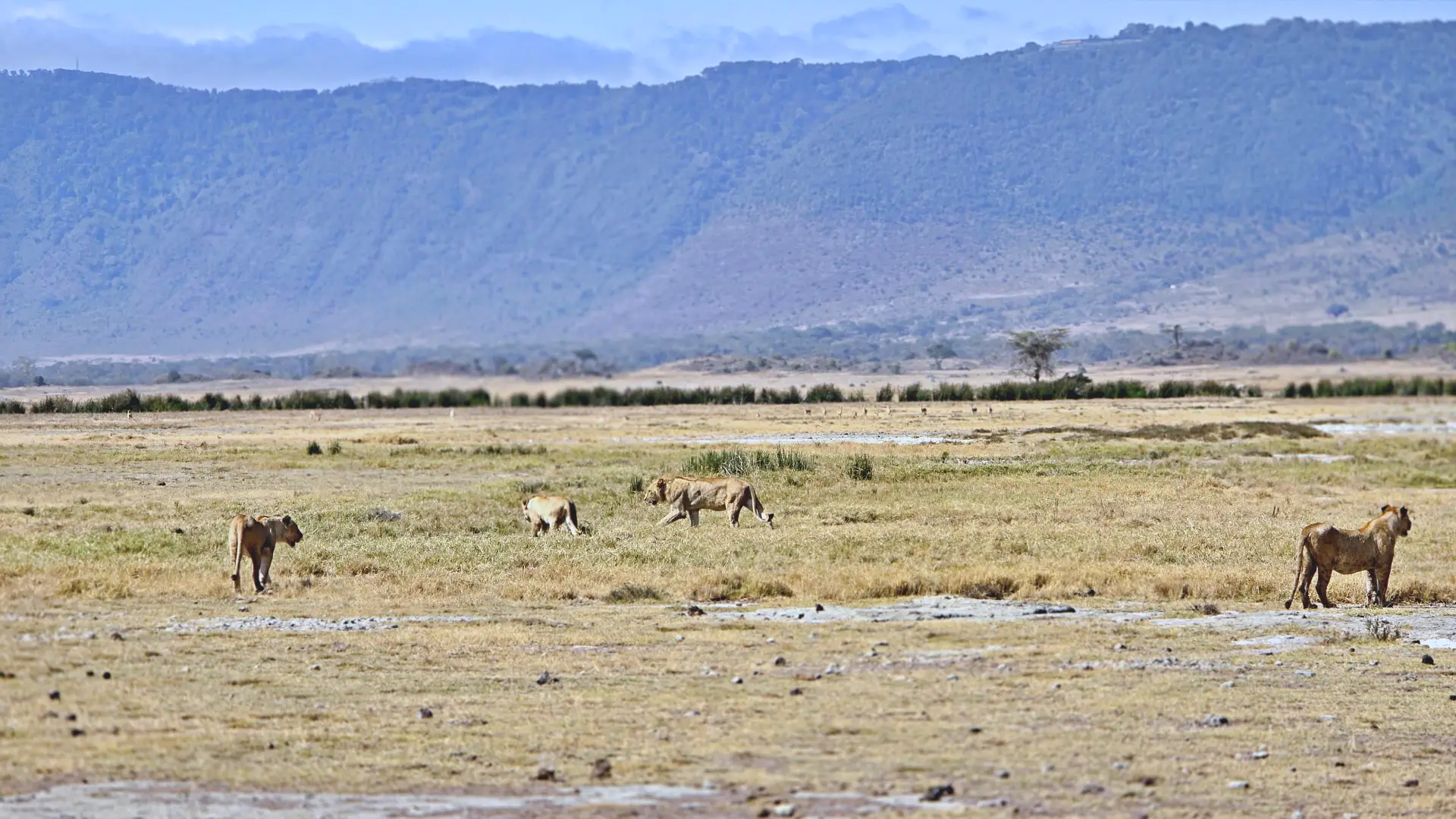
At its center lies the Ngorongoro Crater, formed when a large volcanic mountain collapsed inward millions of years ago. The resulting caldera created a natural enclosure with a variety of habitats including short grass plains, freshwater wetlands, forest patches, and a seasonal soda lake.

These habitats support a year-round population of wildlife that remains within the crater due to reliable water and grazing conditions. Large herbivores such as buffalo and zebra are commonly present, while predators including lion and hyena maintain established territories. The crater is also one of the few locations in northern Tanzania where black rhino may still be encountered.

Beyond the crater itself, the wider conservation area includes highland forests, open grazing lands, and archaeological sites such as Olduvai Gorge, reflecting both ecological and human history. Wildlife movement between Ngorongoro and Serengeti continues to play an important role in sustaining the broader regional ecosystem.

Day 3 – Ngorongoro Crater to Arusha

Accommodation: Self or Booked on Arrangement

Meals: FB

Safari Itinerary

1 DAY

Day 1 – Arusha to Serengeti National Park

Destination

Serengeti National Park is one of the most established wildlife ecosystems in Africa. The park sits on a broad plateau shaped by ancient volcanic activity from the Ngorongoro Highlands. Its soils support short grass plains in the south and mixed savannah with acacia woodland in the central areas.

Key features include:

· Open grazing plains
· Granite kopjes used by predators
· Seasonal watercourses
· Riverine vegetation

Serengeti supports large populations of herbivores such as wildebeest, zebra, and gazelle, alongside resident predators including lion, hyena, leopard, and cheetah. This balance between prey and predator has remained stable for generations.

Day 1 – Arusha to Serengeti National Park

Day Activity

After entering Serengeti National Park, the afternoon is spent on a game drive toward the central campsite. This first drive serves as both wildlife viewing and ecological orientation to the Serengeti system.

The route typically passes through open grazing areas and sections of acacia-dotted savannah where herbivores are often concentrated. Wildebeest and zebra are frequently encountered moving in loose feeding groups, while giraffes browse on mid-level vegetation beyond the reach of most grazers. Elephants may be seen navigating between feeding grounds, often using established paths that reflect long-term movement patterns.

Predators such as lions and hyenas are commonly found resting during daylight hours near kopjes or shaded areas, conserving energy for later activity. Your guide will interpret these behaviours in relation to temperature, prey distribution, and territorial structure.

Attention is also given to smaller ecological indicators such as termite mounds, bird presence, and grazing patterns, which help explain how different species use the same landscape without direct competition.

The drive concludes at the public campsite where the overnight stay takes place within the park boundary.

Accommodation: Nguchiro Public Campsite
Meals: FB
2 DAY

Day 2 – Serengeti to Ngorongoro Conservation Area

Destination

Serengeti National Park forms the ecological core of northern Tanzania’s wildlife system and is part of a larger migration landscape that extends into Kenya’s Maasai Mara. The park lies on a high plateau between the Ngorongoro Highlands and Lake Victoria basin, shaped by ancient volcanic activity that produced nutrient-rich soils supporting extensive grasslands.

Its terrain includes open plains, scattered acacia woodland, seasonal rivers, and granite kopjes which serve as shelter and vantage points for predators. This mix of habitats allows different species to occupy specific ecological niches throughout the year.

Serengeti supports one of the highest concentrations of grazing animals in Africa, including wildebeest, zebra, and gazelle. These herbivores form the foundation of a stable predator population made up of lion, hyena, cheetah, and leopard. Movement across the park follows rainfall patterns and pasture availability rather than fixed boundaries, making Serengeti a dynamic rather than static environment.

The ecosystem has remained largely intact due to its size and continuity with surrounding conservation areas, allowing natural processes such as migration, breeding cycles, and predator-prey balance to function without major interruption.

Day 2 – Serengeti to Ngorongoro Conservation Area

Day Activity

After entering Serengeti National Park, the afternoon is spent on a game drive toward the central campsite. This first drive serves as both wildlife viewing and ecological orientation to the Serengeti system.

The route typically passes through open grazing areas and sections of acacia-dotted savannah where herbivores are often concentrated. Wildebeest and zebra are frequently encountered moving in loose feeding groups, while giraffes browse on mid-level vegetation beyond the reach of most grazers. Elephants may be seen navigating between feeding grounds, often using established paths that reflect long-term movement patterns.

Predators such as lions and hyenas are commonly found resting during daylight hours near kopjes or shaded areas, conserving energy for later activity. Your guide will interpret these behaviours in relation to temperature, prey distribution, and territorial structure.

Attention is also given to smaller ecological indicators such as termite mounds, bird presence, and grazing patterns, which help explain how different species use the same landscape without direct competition.

The drive concludes at the public campsite where the overnight stay takes place within the park boundary.

Accommodation: Simba Public Campsite
Meals: FB
3 DAY

Day 3 – Ngorongoro Crater to Arusha

Destination

Ngorongoro Conservation Area occupies the transitional zone between Serengeti’s open plains and the cultivated highlands of northern Tanzania. Unlike national parks, it is a multiple land-use area where wildlife conservation exists alongside traditional Maasai pastoralism.

At its center lies the Ngorongoro Crater, formed when a large volcanic mountain collapsed inward millions of years ago. The resulting caldera created a natural enclosure with a variety of habitats including short grass plains, freshwater wetlands, forest patches, and a seasonal soda lake.

These habitats support a year-round population of wildlife that remains within the crater due to reliable water and grazing conditions. Large herbivores such as buffalo and zebra are commonly present, while predators including lion and hyena maintain established territories. The crater is also one of the few locations in northern Tanzania where black rhino may still be encountered.

Beyond the crater itself, the wider conservation area includes highland forests, open grazing lands, and archaeological sites such as Olduvai Gorge, reflecting both ecological and human history. Wildlife movement between Ngorongoro and Serengeti continues to play an important role in sustaining the broader regional ecosystem.

Day 3 – Ngorongoro Crater to Arusha
Accommodation: Self or Booked on Arrangement
Meals: FB

Tour Cost

The prices below are shown per person and vary depending on the number of travellers and accommodation category selected. Each range reflects real operating costs, including park and conservation fees (with VAT and other applicable taxes), vehicle use, crater service fees, and accommodation in the chosen category.


Because lodge rates and availability can vary seasonally, we present a minimum–maximum range rather than a fixed number. As group size increases, shared costs are reduced, which lowers the overall price per traveller. Final quotations are confirmed based on exact travel dates and selected lodges.

Tour Cost Includes

Tour Cost Includes

Featured Safaris

Looking to Join Shared Safari?

Check Availability & Start Planning

Shared Safari Form

Safari Inquiry Form