
Tananzania · Africa
Nyerere National Park
Overview
The Nyerere National Park is the largest national park in Africa and a cornerstone of Tanzania’s Southern Safari Circuit. Located in southeastern Tanzania, it forms part of a vast, largely untouched wilderness that offers one of the most authentic and remote safari experiences on the continent.
Covering over 30,000 square kilometers, the park is defined by the Rufiji River system, a network of channels, lagoons, and floodplains that shape the entire ecosystem. This riverine environment creates a unique safari setting where water-based experiences complement traditional game drives.
Nyerere is composed of diverse zones, including riverfront areas, open plains, woodlands, and remote interior regions. The northern sector, along the Rufiji River, is the most accessible and commonly visited, while the southern areas remain largely wild and less explored.
Originally part of the vast Selous Game Reserve, Nyerere represents a redefined conservation area focused on photographic tourism while maintaining its immense ecological significance.
Why Visit
Nyerere National Park?
Nyerere National Park was officially established in 2019, carved out from the northern portion of the former Selous Game Reserve, one of Africa’s largest protected areas. This transformation was designed to create a dedicated national park focused on photographic tourism and enhanced conservation management, while the remaining southern section continues as a game reserve.
The park is named after Julius Nyerere, Tanzania’s founding president, in recognition of his contribution to the country’s development and conservation vision. Covering over 30,000 square kilometers, Nyerere is now the largest national park in Africa and forms a critical part of the greater Selous ecosystem. The Rufiji River, which runs through the park, is one of East Africa’s largest river systems and plays a central role in sustaining wildlife.
The wider Selous ecosystem, from which Nyerere originates, has long been recognized as a UNESCO World Heritage Site due to its ecological importance, vast wilderness, and biodiversity. Nyerere continues to play a key role in protecting large wildlife populations, maintaining ecological processes, and preserving one of the last great wilderness areas in Africa.
History of
Nyerere National Park
Nyerere stands out for its scale, diversity of activities, and sense of true wilderness. Unlike many northern parks, it offers a broader safari experience that includes boat safaris and walking safaris in addition to game drives.
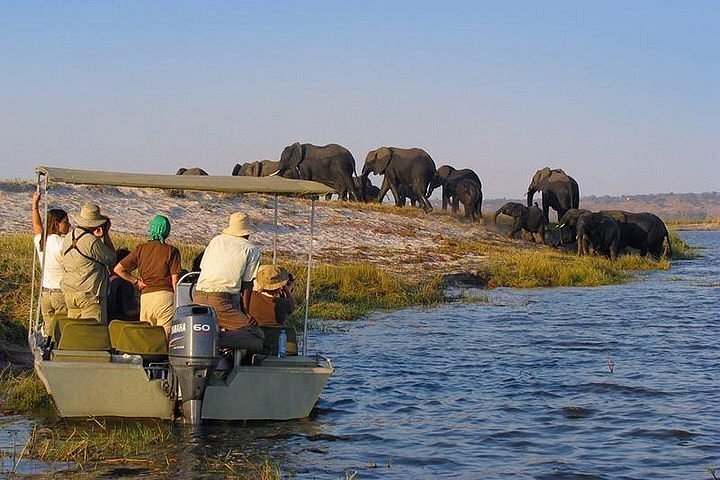
The Rufiji River is the defining feature, attracting large populations of hippos, crocodiles, elephants, and other wildlife. It also provides one of the best boat safari experiences in Africa.
For travelers seeking a less crowded, more immersive safari with varied activities and expansive landscapes, Nyerere offers a unique and highly rewarding experience.
Gallery
Wildlife & Landscape
Nyerere’s landscapes are shaped by the Rufiji River and its surrounding floodplains, creating a mosaic of habitats including wetlands, woodlands, and open savannah.
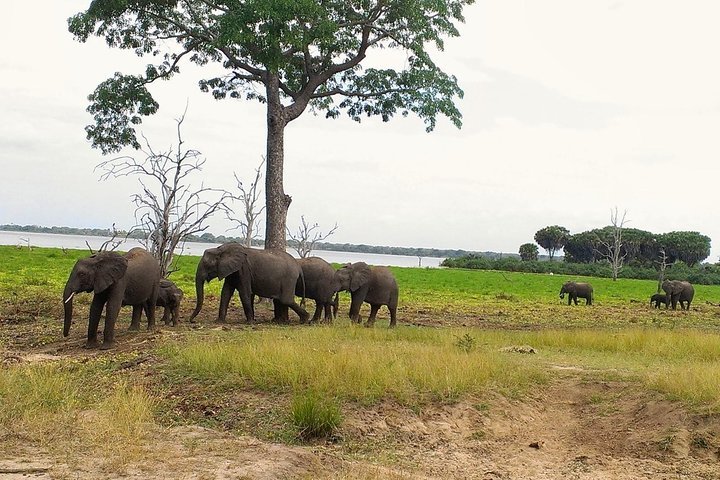
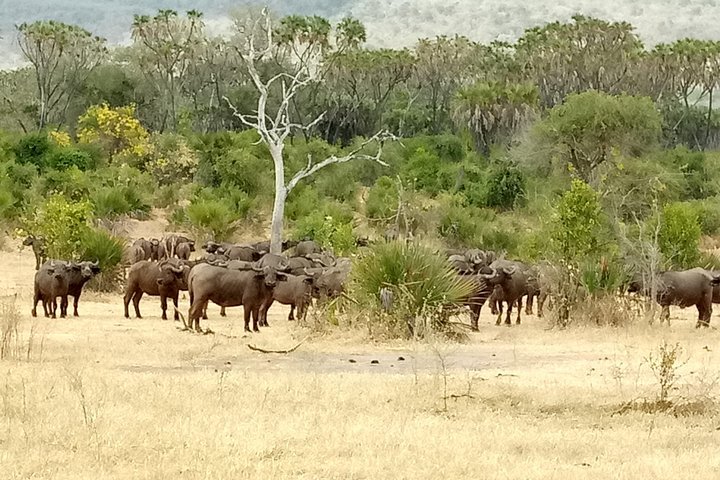
The park supports a wide range of wildlife, including elephants, lions, leopards, buffalo, giraffes, zebras, and large populations of hippos and crocodiles. It is also one of the best places in Tanzania to see African wild dogs.
Birdlife is abundant, particularly along the river, with numerous species found in wetland and woodland habitats.
Top Experience
Boat Safaris on the Rufiji River
Explore the park from the water, observing hippos, crocodiles, and wildlife along the riverbanks.
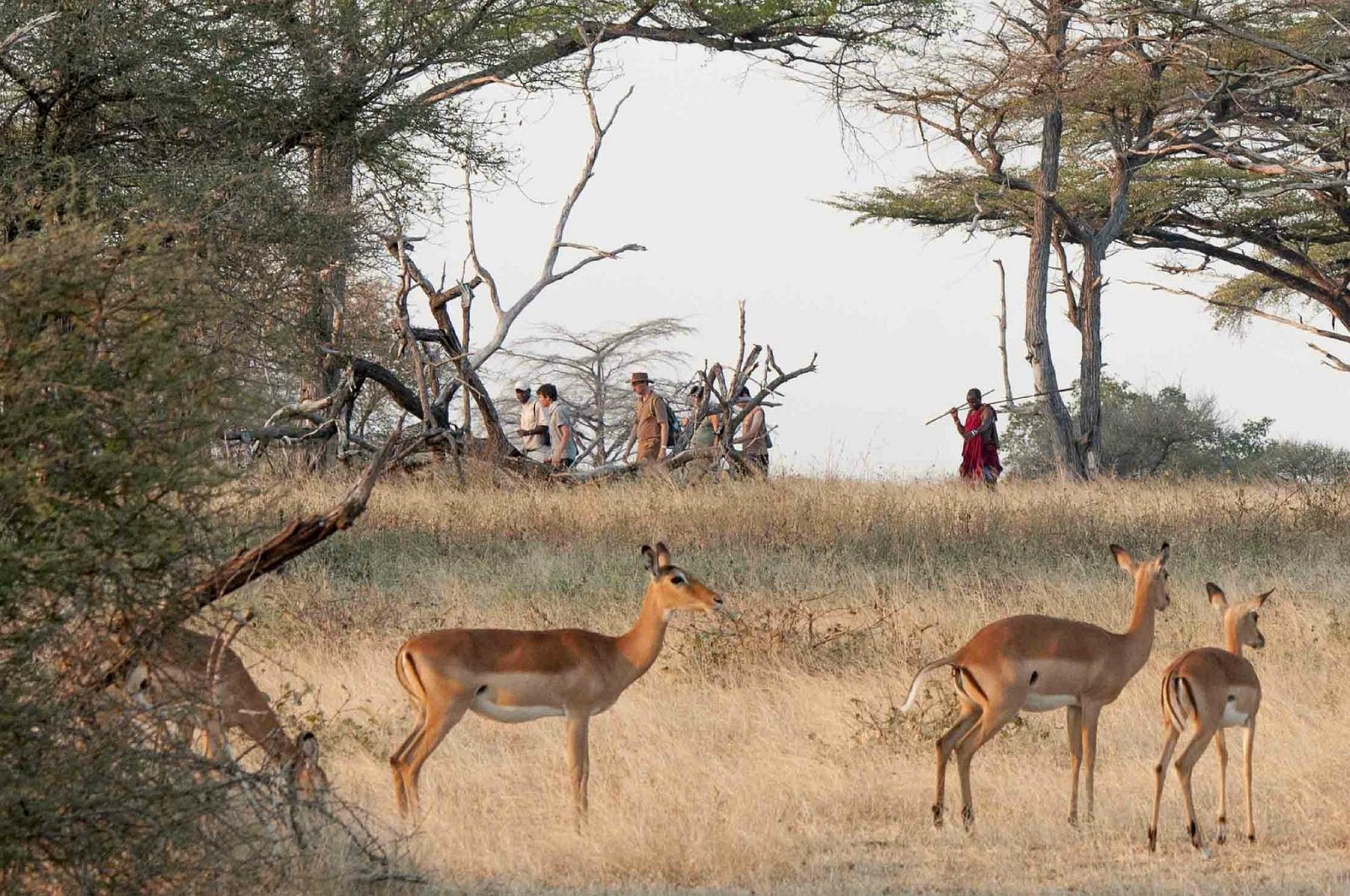
Walking Safaris
Experience the wilderness on foot with expert guides, offering a more intimate connection with nature.
Game Drives
Discover diverse landscapes and wildlife across one of Africa’s largest protected areas.
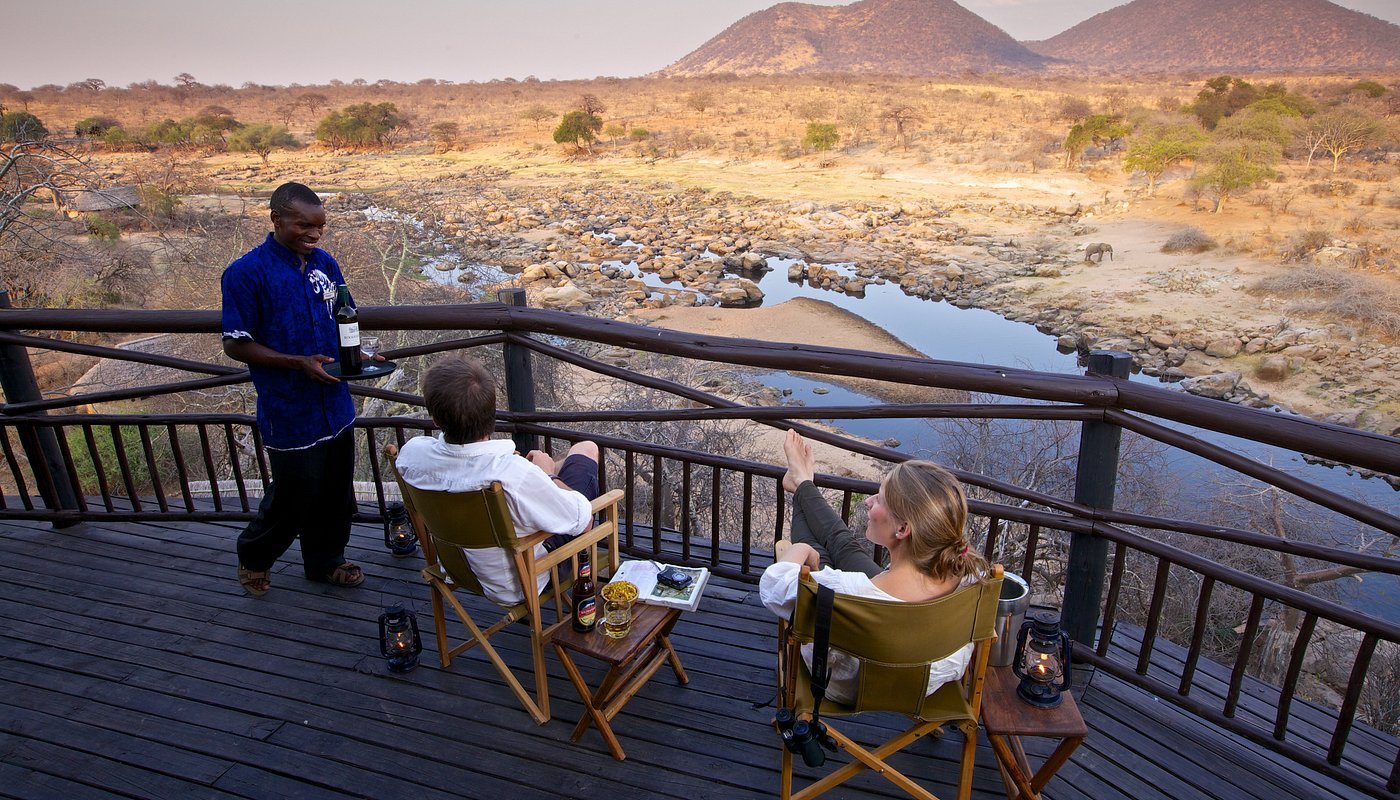
Riverfront Wildlife Viewing
Observe animals gathering along the Rufiji River, especially during the dry season.
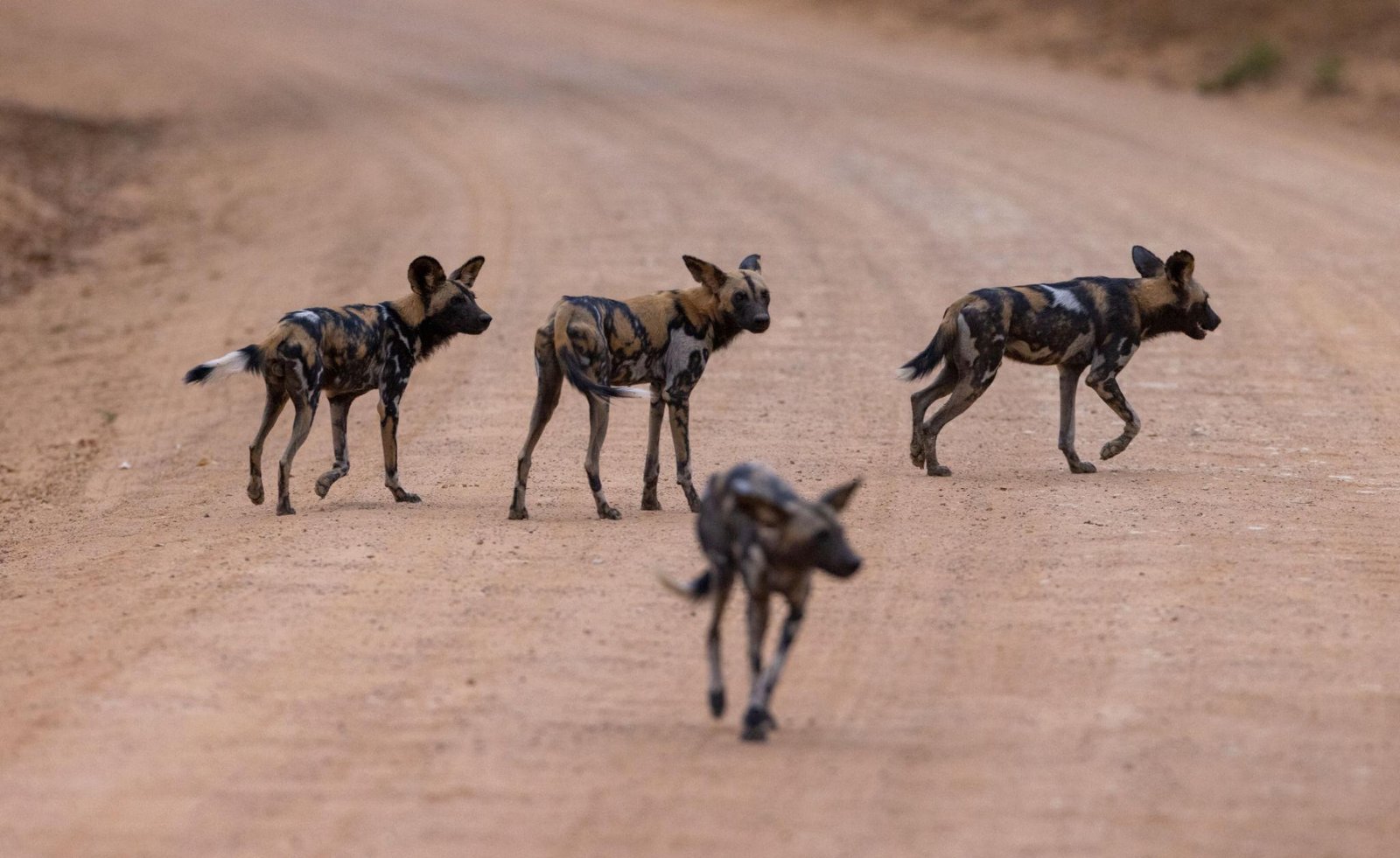
Wild Dog Tracking
Encounter one of Africa’s most endangered predators in one of its key strongholds.
Activities
Game Drives
Explore the park’s varied terrain with experienced guides.
Boat Safaris
Navigate the Rufiji River for a unique wildlife viewing experience.
Walking Safaris
Discover the ecosystem on foot with trained guides.
Best Time to Visit
The best time to visit Nyerere National Park is during the dry season, from June to October. During this period, wildlife gathers around the Rufiji River and other water sources, making sightings more frequent and accessible.
The green season, from November to May, brings lush vegetation and excellent birdwatching opportunities. However, some areas may become difficult to access due to rains.
Travel tips
-
Best accessed via flights from Dar es Salaam
-
Ideal for southern circuit safaris combined with Ruaha
-
Offers more diverse activities than most parks (boat + walking)
-
Expect remote, פחות crowded safari experience
Safari Route
Nyerere is the starting point of Tanzania’s Southern Circuit.
Typical routing:
This route combines river-based experiences with classic inland safaris, offering a well-rounded southern Tanzania adventure.
Related
Your Tanzania Story Starts with a Conversation
Travel planning often begins with a single question. Let us know when you can travel, who you’re bringing, and what you’re dreaming of — our local experts will handle everything else.