
Tananzania · Africa

Ruaha National Park

Southern Zone

Overview

Ruaha National Park is Tanzania’s largest national park, covering a vast and remote wilderness in the country’s south. Known for its rugged landscapes, baobab-dotted hills, and the life-giving Great Ruaha River, the park offers a truly untamed safari experience. Unlike the more visited northern parks, Ruaha remains quiet and uncrowded, allowing for deeper immersion in nature.

Its diverse ecosystems support a remarkable concentration of wildlife, particularly predators and large elephant herds. The park forms part of a wider ecosystem that extends into surrounding conservation areas, making it one of East Africa’s most important wildlife regions.

Why Visit

Ruaha National Park?

Ruaha National Park, Tanzania’s largest national park, was formally established in 1964 following the upgrade of the former Rungwa Game Reserve, an area that had already been recognized for its rich wildlife and ecological importance during the early colonial conservation period. Over time, the park has expanded significantly and now covers approximately 20,226 square kilometres, forming the core of a vast, largely untouched wilderness ecosystem in southern Tanzania.

The name “Ruaha” is derived from the Great Ruaha River, the park’s lifeline, whose name is believed to originate from the Hehe word Luhava, meaning “river.” This river plays a critical role in sustaining wildlife throughout the dry season, attracting large concentrations of elephants, predators, and diverse birdlife. Ruaha is now internationally recognized for its raw, uncrowded safari experience and for hosting one of East Africa’s largest elephant populations, as well as a unique overlap of eastern and southern African wildlife species, making it one of the most ecologically significant protected areas on the continent.

History of

Ruaha National Park

Ruaha stands apart for its sense of scale, isolation, and raw wilderness. It is one of the few places in Tanzania where you can experience a safari without crowds, surrounded by vast open landscapes and dramatic scenery.

The park is especially renowned for its high predator density, including lions, leopards, and cheetahs, as well as large populations of elephants and buffalo. Its position at the crossroads of eastern and southern African ecosystems also means you can see species rarely found together elsewhere.

For travelers seeking a quieter, more authentic safari experience, Ruaha offers a level of exclusivity and connection to nature that is increasingly rare.

Gallery

Wildlife & Landscape

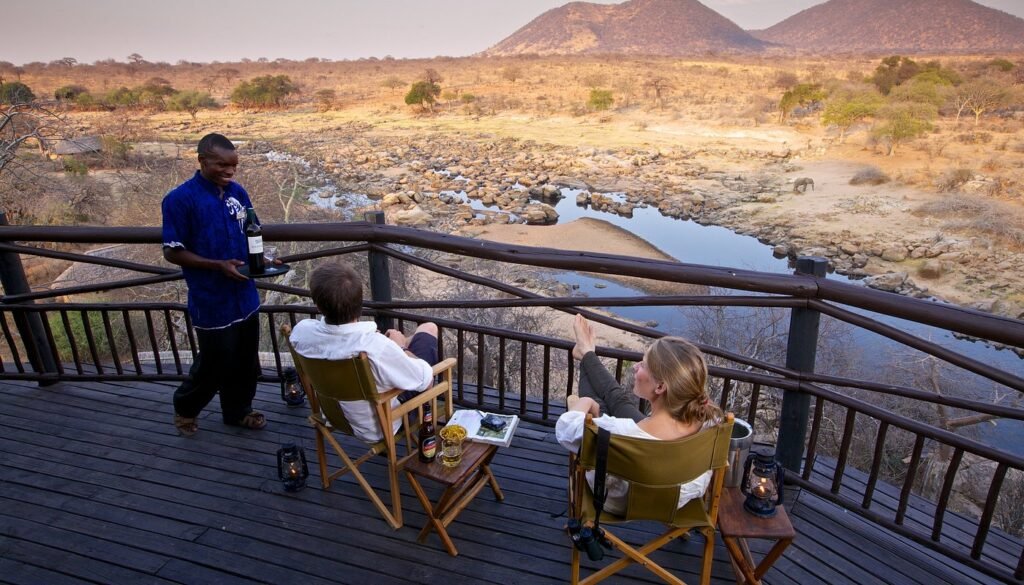
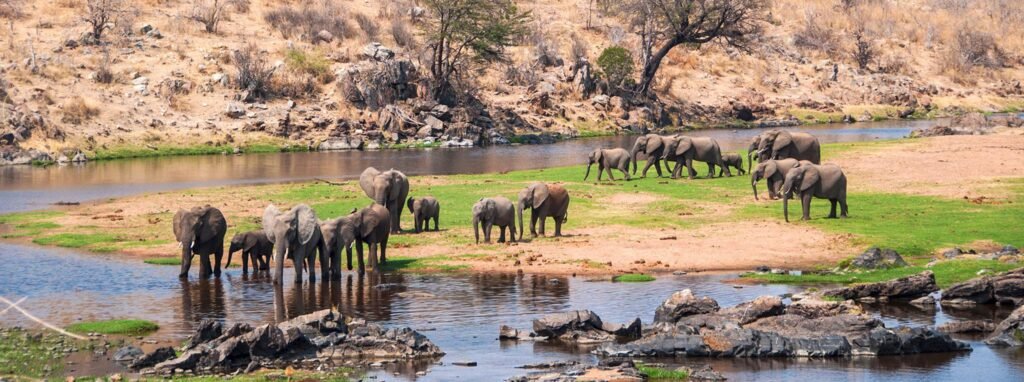
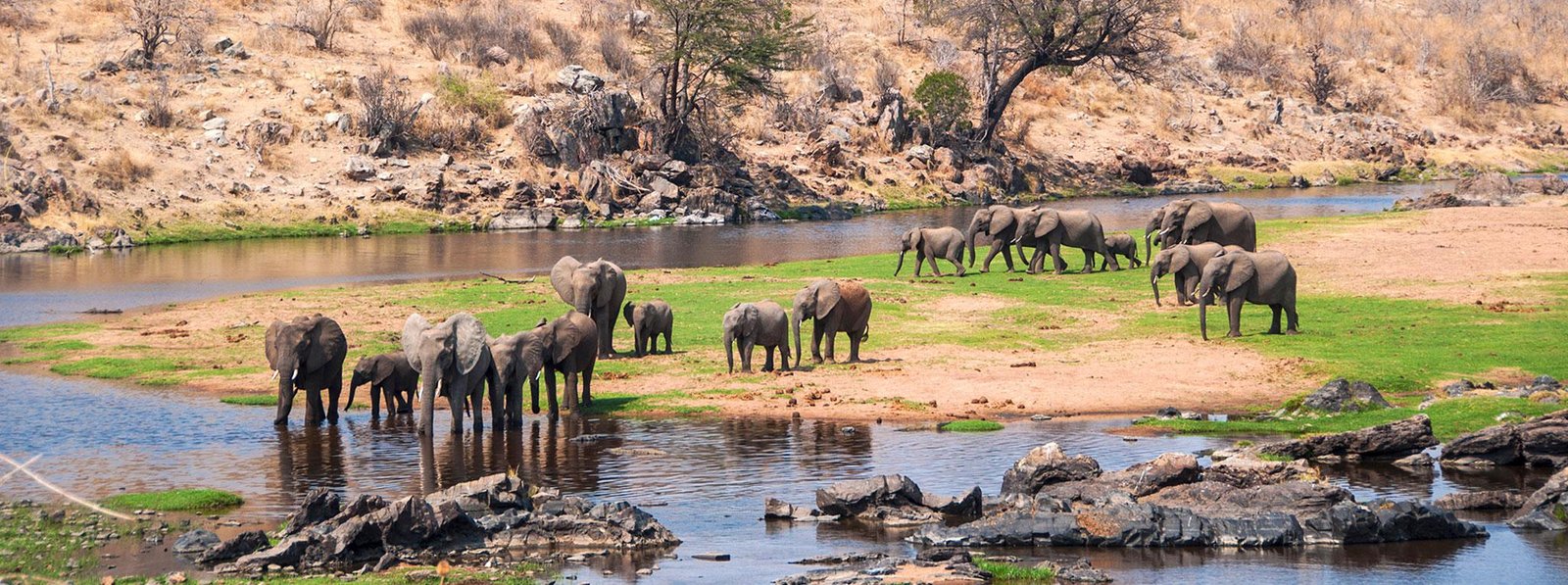
Ruaha’s landscapes are strikingly varied, from dry riverbeds and rocky escarpments to open plains and dense woodlands. The Great Ruaha River is the park’s lifeline, attracting large concentrations of wildlife, particularly during the dry season.

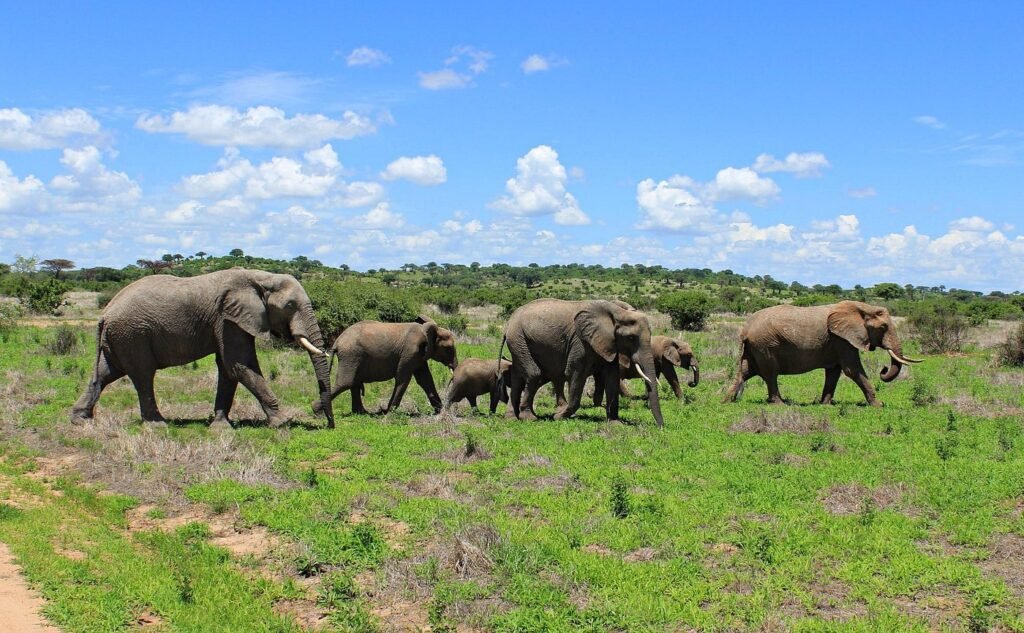
The park is home to one of the largest elephant populations in East Africa, along with significant numbers of lions, often seen in large prides. Leopards, cheetahs, wild dogs, giraffes, zebras, and numerous antelope species are commonly encountered.

Birdlife is also exceptional, with over 500 recorded species, making Ruaha a rewarding destination for both wildlife enthusiasts and birdwatchers.

Top Experience

Elephant Herds Along the Ruaha River

Witness large gatherings of elephants along the riverbanks, particularly during the dry season when water becomes scarce.

Predator Tracking

Experience some of Tanzania’s best predator sightings, with strong populations of lions, leopards, and wild dogs.

Remote Game Drives

Explore vast, uncrowded landscapes where game drives often take place without seeing other vehicles.

Baobab Landscapes

Discover iconic baobab trees scattered across the park, creating a distinctive and photogenic environment.

Birdwatching

Observe a rich diversity of birdlife, with over 500 species recorded across different habitats.

Activities

Game Drives

Explore the park with experienced guides, tracking wildlife across diverse landscapes.

Walking Safaris

Experience the bush on foot with professional guides, gaining a deeper understanding of the ecosystem.

Birdwatching

Discover a wide variety of bird species across different habitats.

Best Time to Visit

The best time to visit Ruaha National Park is during the dry season, from June to October. During this period, wildlife gathers around the Great Ruaha River and other remaining water sources, making sightings more frequent and easier. The dry season also offers clear skies, lower vegetation, and excellent conditions for photography and game viewing.

The green season, from November to May, brings lush landscapes and fewer visitors. While wildlife is more dispersed, this period is ideal for birdwatching and offers a quieter, more scenic experience.

Travel tips

  • Access is typically via scheduled or charter flights from Dar es Salaam or other safari hubs

  • Best combined with Nyerere National Park for a southern circuit safari

  • Ideal for travelers seeking a quieter, more remote safari experience

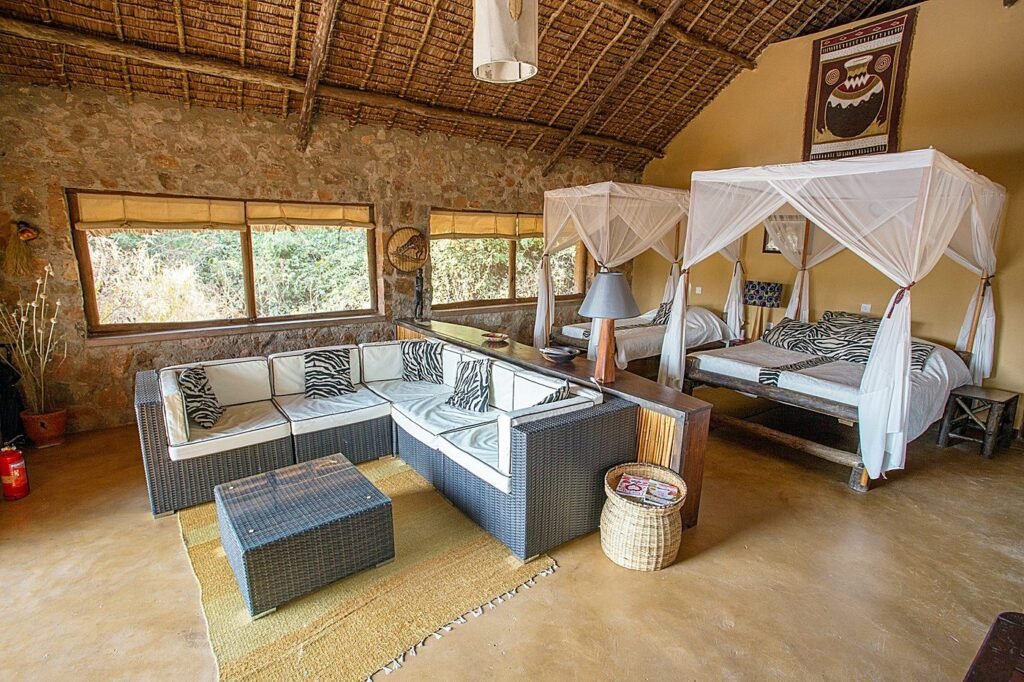
  • Accommodation is more limited but focused on high-quality, intimate camps

Safari Route

Ruaha is part of Tanzania’s Southern Circuit and is often combined with Nyerere National Park.


Typical routing;

Dar es Salaam → Nyerere National Park → Ruaha National Park

This combination offers a diverse safari experience, from river-based activities in Nyerere to classic game drives in Ruaha.

Related

Your Tanzania Story Starts with a Conversation

Travel planning often begins with a single question. Let us know when you can travel, who you’re bringing, and what you’re dreaming of — our local experts will handle everything else.

Shared Safari Form

Safari Inquiry Form