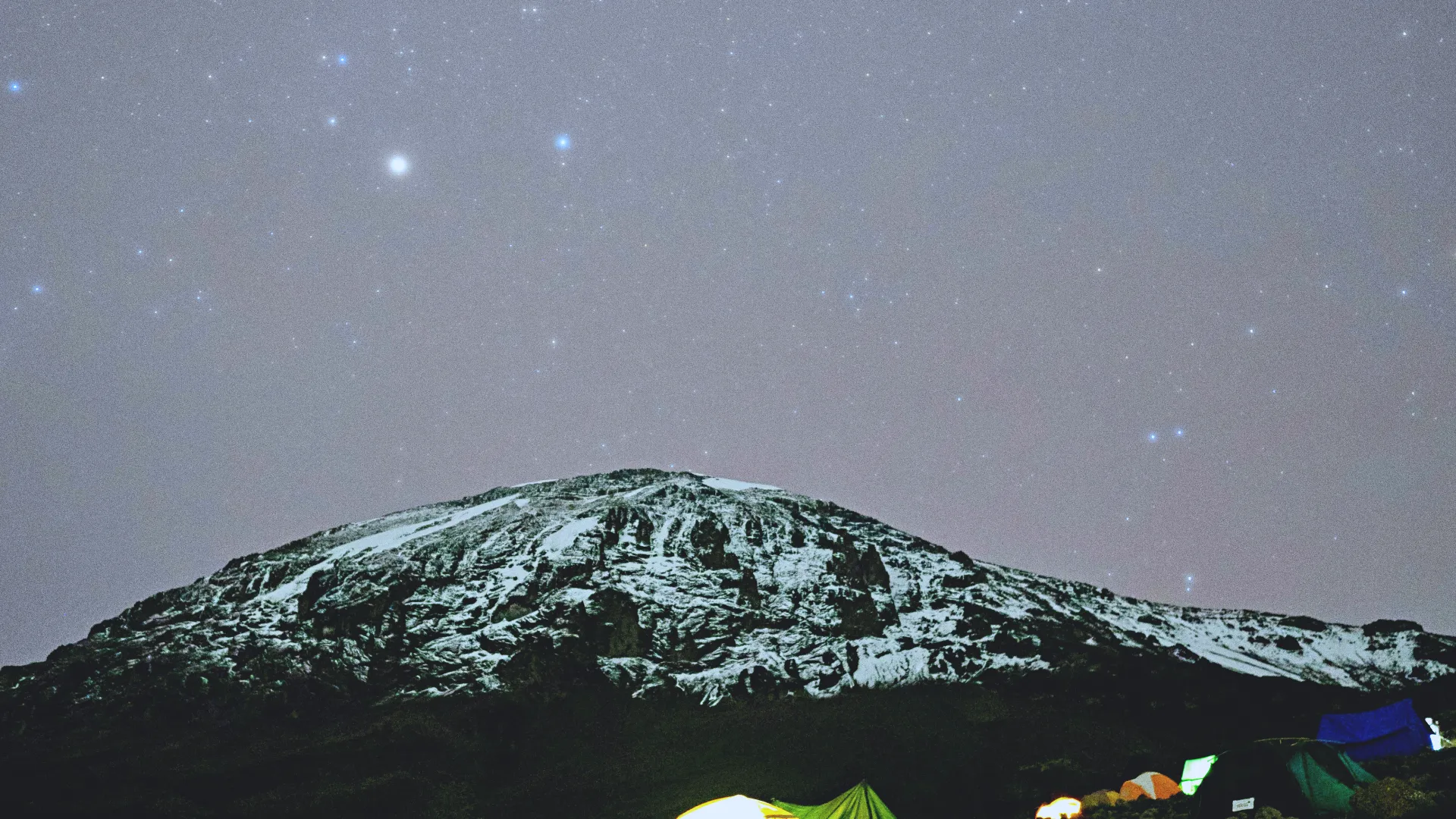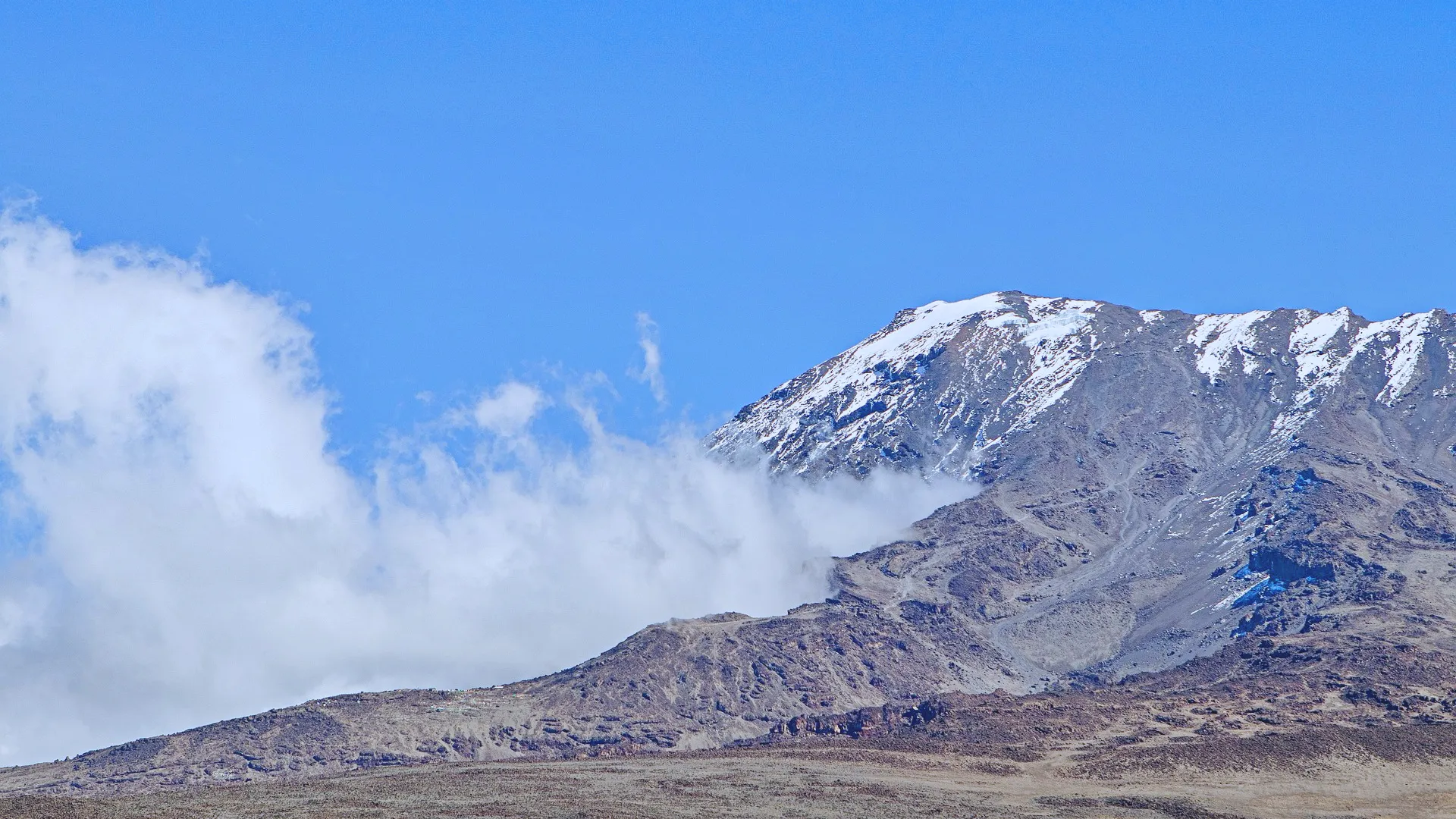
A slow and scenic ascent across Kilimanjaro’s quiet western flank.
View full itinerary ↓
A complete checklist refined from real expeditions, covering clothing, equipment, and high-altitude essentials.
Home » Kilimanjaro routes » Machame Route
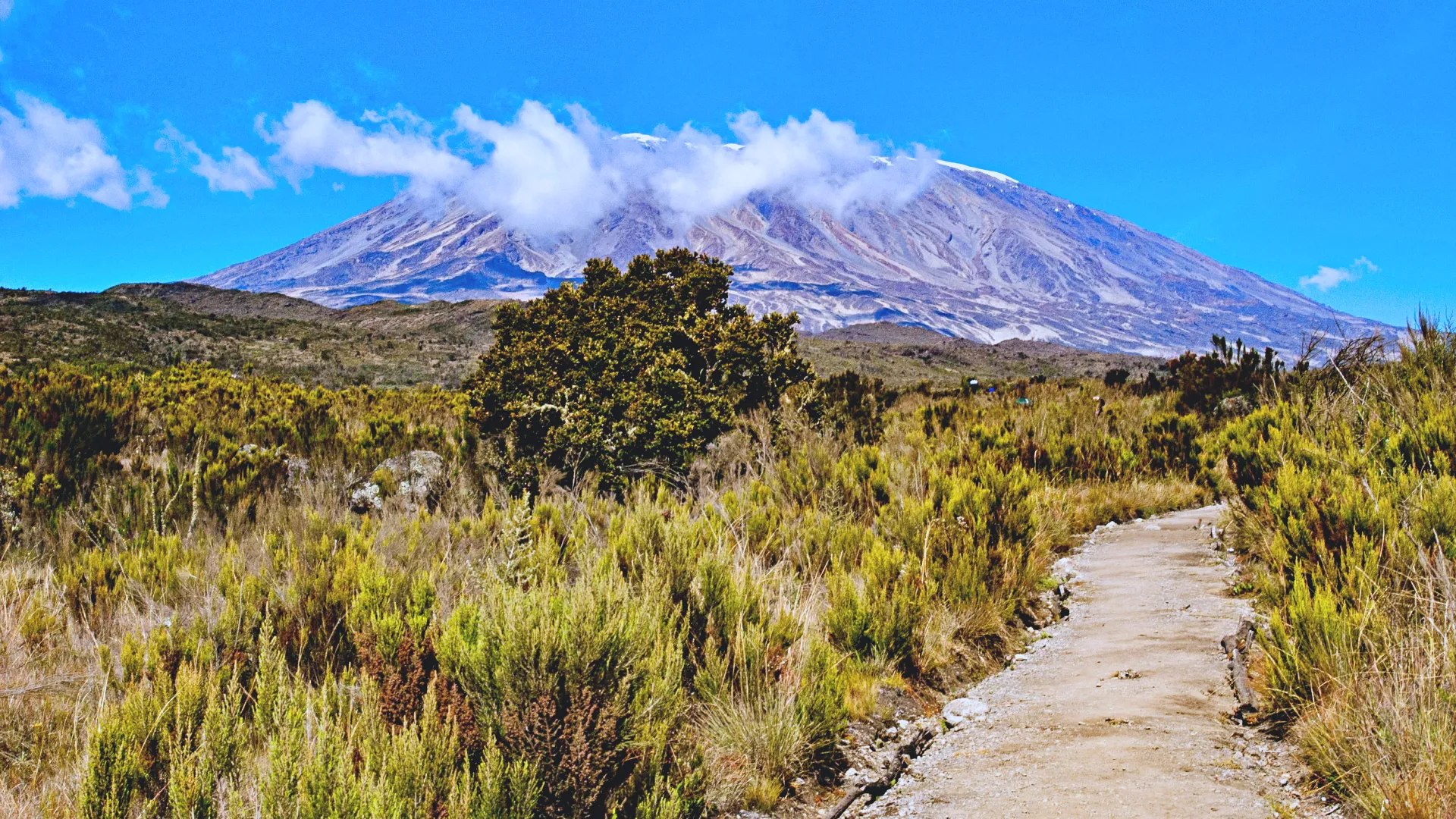
The Machame Route begins with a lively ascent through dense rainforest, where steep trails and humid air quickly signal that this climb will be both energetic and immersive. The early effort gives way to sweeping views as the forest thins, revealing Kilimanjaro’s dramatic southern slopes and the first clear sight of the summit far above.
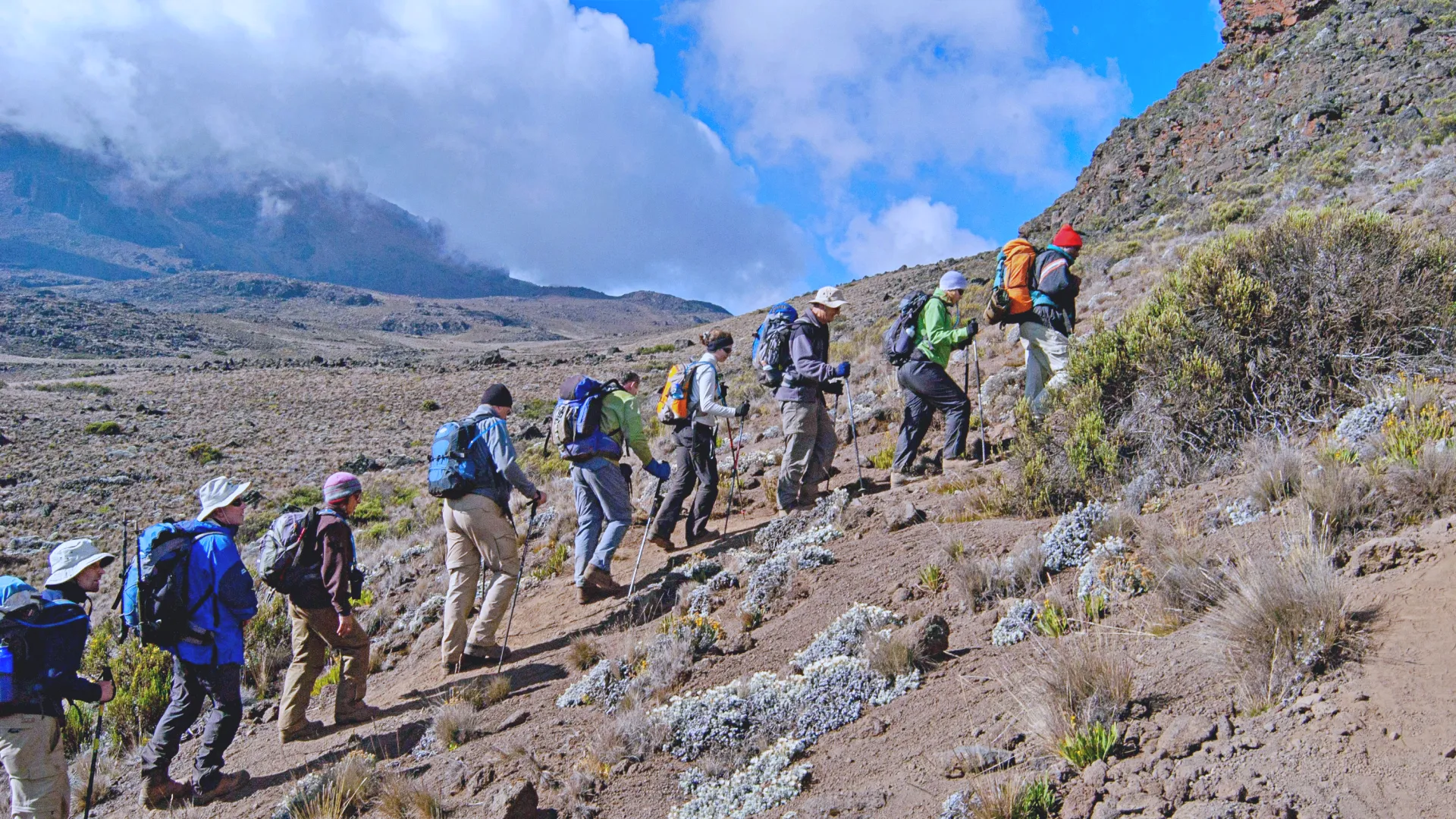
What defines Machame is variety. Each day introduces a new landscape — heather moorland, high-altitude desert, and the striking Barranco Valley beneath towering cliffs. The climb of the Barranco Wall, both physical and exhilarating, becomes a highlight that many climbers remember long after the expedition ends. The route feels social and dynamic, shared with trekkers from around the world moving together toward a common goal.
As altitude increases, the mountain demands patience and resilience. The summit night arrives with a mixture of fatigue and anticipation, the long ascent through darkness illuminated by headlamps and quiet determination. Reaching Uhuru Peak at sunrise brings a powerful contrast between effort and stillness, as glaciers glow above the clouds of an entire continent.
Machame leaves climbers with a vivid memory of movement, challenge, and dramatic beauty — a journey where every day feels distinct, and the reward is earned step by step through changing terrain and rising sky.
Each route differs in acclimatization, scenery, difficulty, and summit success. This quick guide highlights the essential contrasts to help you choose the right path before exploring detailed itineraries.
The climb begins at Machame Gate on Kilimanjaro’s southern slopes. After completing park registration, the trail enters lush rainforest filled with towering trees, moss-covered trunks, and vibrant birdlife. The steady ascent introduces trekkers to the rhythm of mountain hiking while remaining well protected beneath the forest canopy.
After several hours, the route reaches Machame Camp, where the first night on the mountain is spent surrounded by dense vegetation and cooler evening air.
Leaving the rainforest behind, the trail climbs into open moorland where vegetation becomes sparse and expansive views begin to unfold. Giant lobelias and volcanic rock formations mark the transition into Kilimanjaro’s high-altitude environment.
Arrival at Shira Camp offers sweeping panoramas across the Shira Plateau and the western slopes of Kibo.
Today follows the vital climb-high, sleep-low acclimatization strategy. The trail ascends gradually toward Lava Tower, where altitude becomes more noticeable. After spending time at this elevation, the route descends into the lush Barranco Valley, one of the most scenic locations on the mountain.
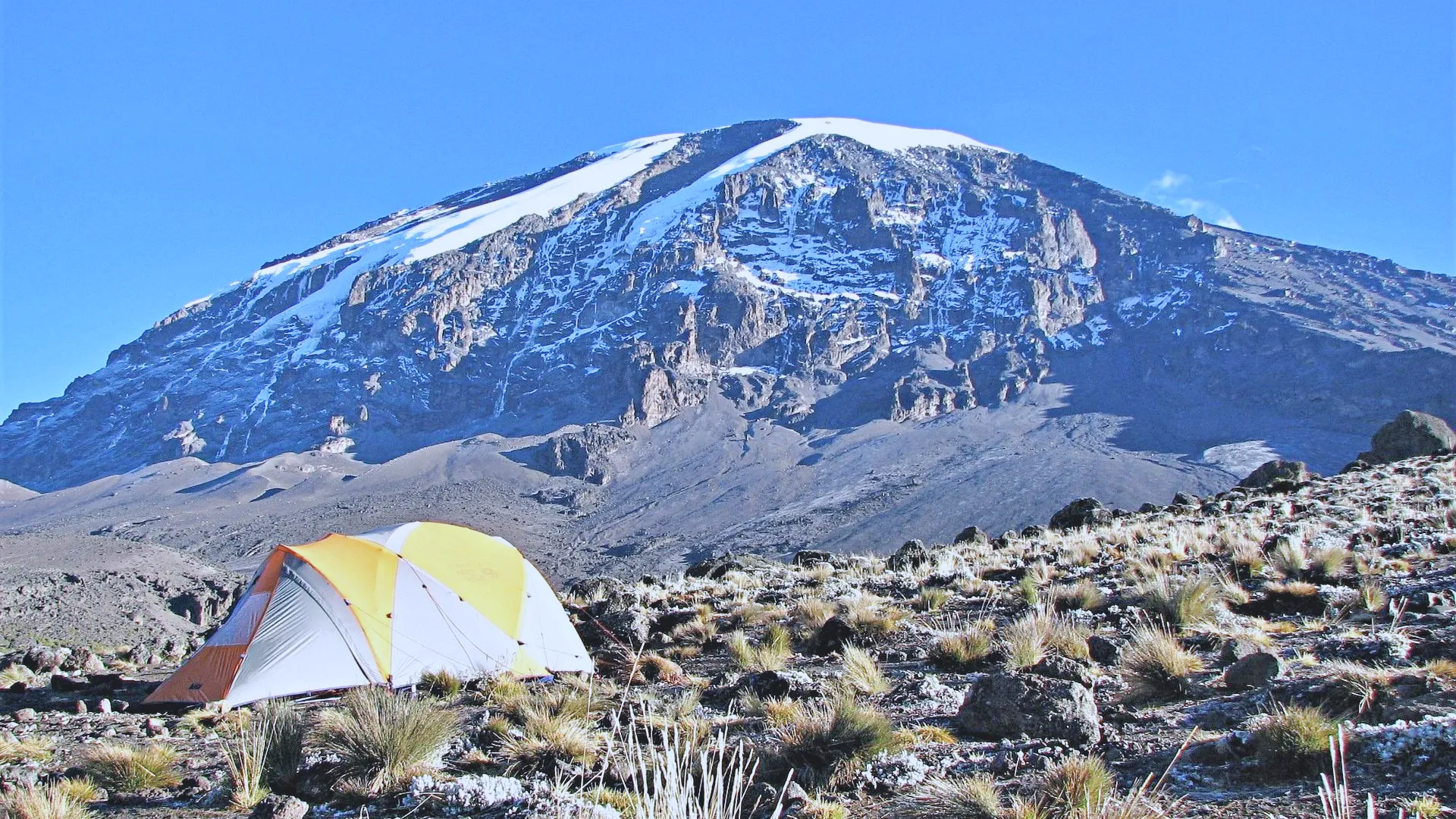
Barranco Camp sits beneath the towering Barranco Wall, surrounded by giant groundsels and dramatic alpine scenery.
Climbers ascend the iconic Barranco Wall, a steep but non-technical scramble that rewards trekkers with sweeping views across Kilimanjaro’s southern glaciers. After traversing alpine ridges, the trail descends gently into the Karanga Valley, reaching Karanga Camp for overnight rest and continued acclimatization.
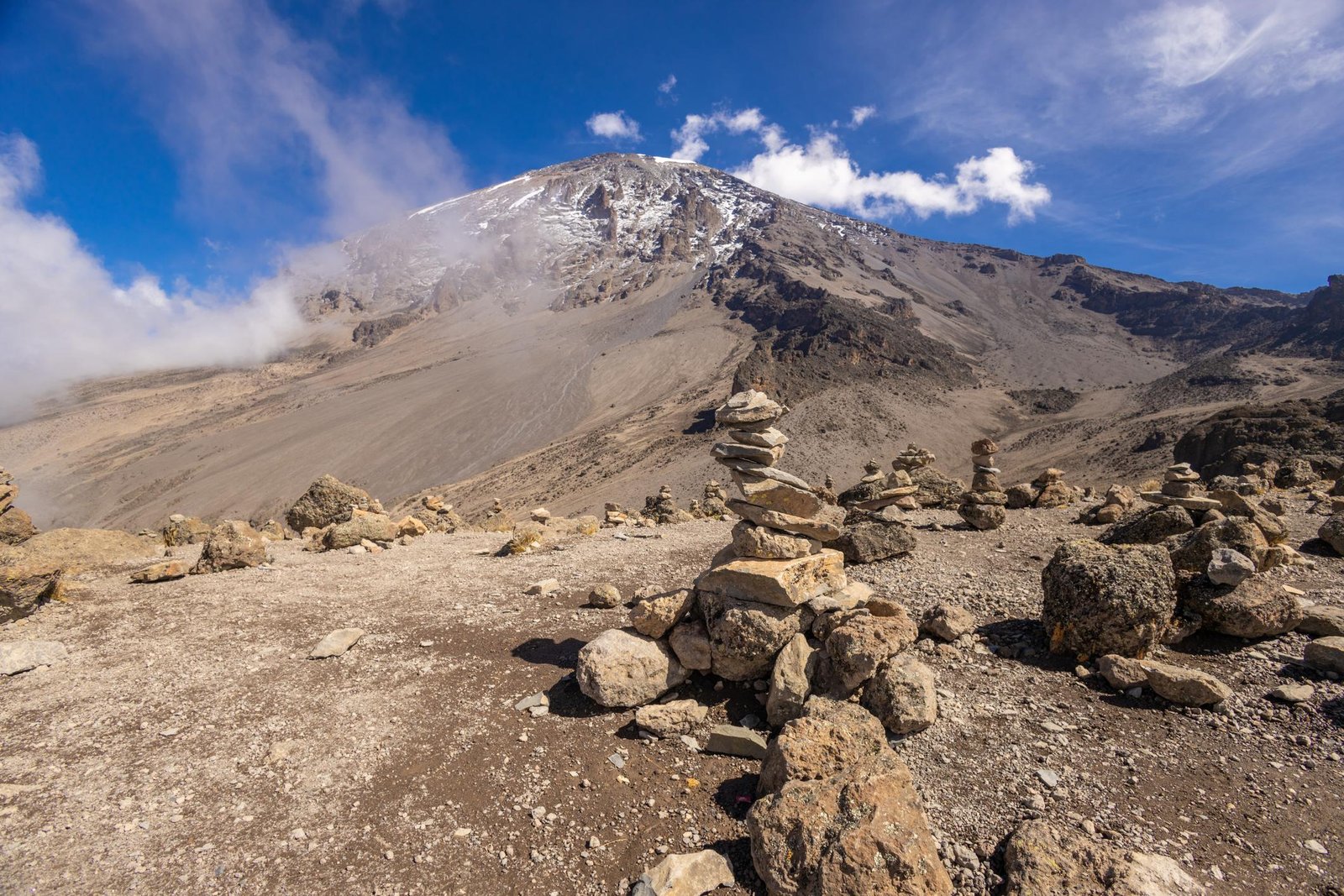
A steady climb across barren volcanic terrain leads to Barafu Camp, the final base before the summit attempt. The afternoon is reserved for rest, hydration, and preparation for the midnight ascent.
Shortly after midnight, the summit push begins under a sky filled with stars. Slow, steady progress leads to Stella Point at sunrise and onward to Uhuru Peak, the highest point in Africa.
After celebrating at the summit, the descent continues to Mweka Camp, where warmer air and thicker oxygen provide welcome recovery.
A gentle descent through lush rainforest leads to Mweka Gate, where climbers receive summit certificates and conclude their Kilimanjaro journey before transfer back to the hotel.
Mount Kilimanjaro climbing is a carefully supported expedition that requires experienced guides, professional mountain crews, quality camping equipment, and strict safety protocols. The prices represent the total cost per person based on group size, allowing us to distribute the cost of guides, porters, park fees, transport, and expedition equipment across the team.
As the group size increases, the price per climber decreases because essential logistics such as mountain crew support, some safety equipment, and vehicle transfers are shared among participants.
| Pax | 1 | 2 | 3 | 4 | 5 | 6 | 7 | 8 | 9 | 10+ |
|---|---|---|---|---|---|---|---|---|---|---|
| 7-Day Machame | $2,492 | $2,019 | $1,880 | $1,813 | $1,805 | $1,772 | $1,748 | $1,731 | $1,717 | $1,706 |
(No hidden authority costs later)
Tips are customary and expected on Kilimanjaro and go directly to the crew.
Recommended total tip guideline (per group per day):
(Exact tipping chart provided after booking confirmed)
Climbing Kilimanjaro is a high-altitude expedition, not a simple hike. Every ascent is supported by experienced mountain crews, careful acclimatization pacing, and continuous health monitoring designed to protect both safety and summit success.
Certified local guides lead every climb, combining technical mountain knowledge with years of high-altitude experience on Kilimanjaro’s changing terrain and weather.
Oxygen saturation, heart rate, and overall condition are checked throughout the trek to identify altitude stress early and respond calmly and safely.
Crews carry emergency oxygen, first-aid equipment, and maintain clear evacuation procedures to ensure rapid response if conditions require descent.
Fair porter treatment, proper equipment, and responsible mountain practices protect both the team and the environment throughout the expedition.