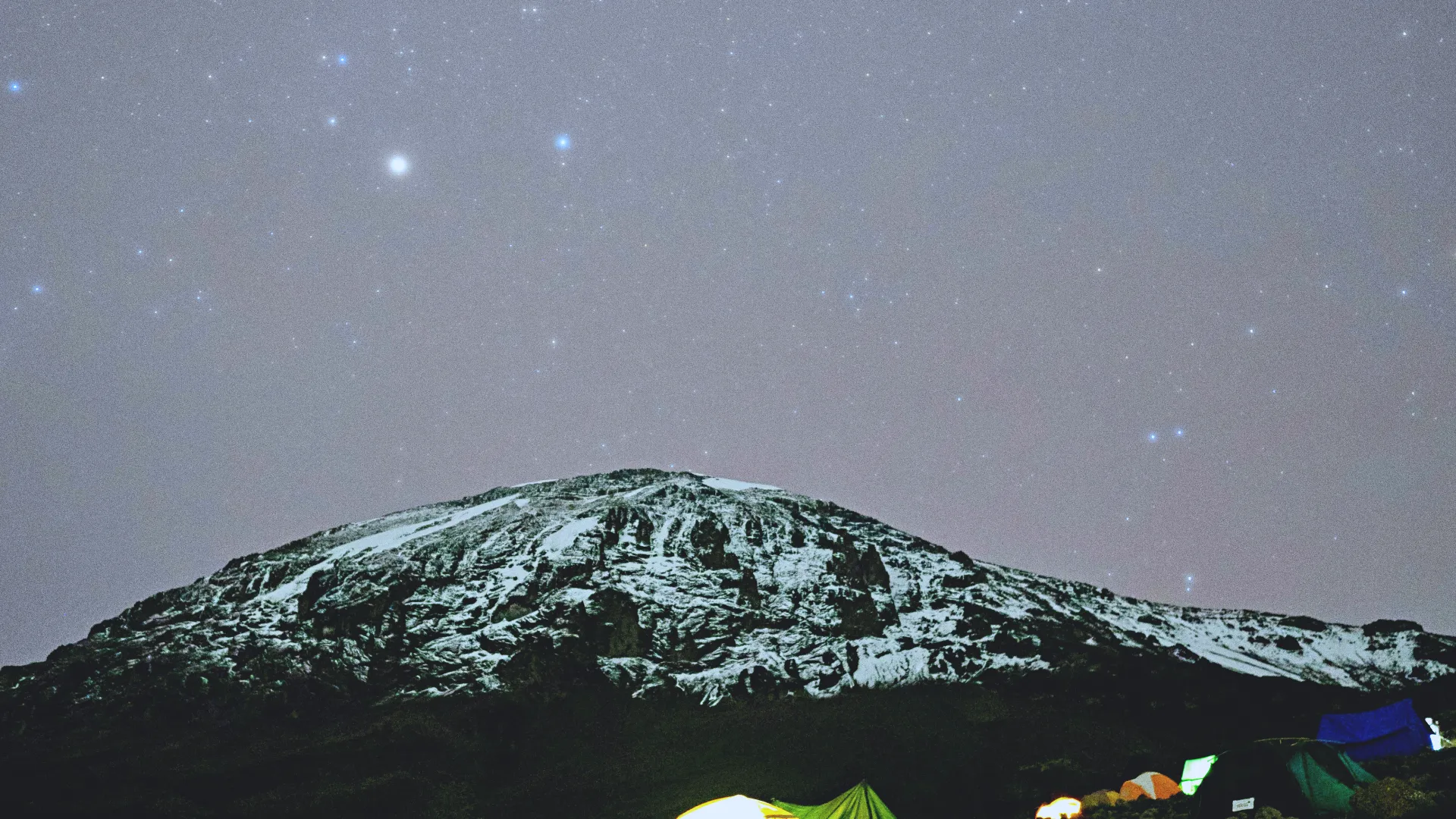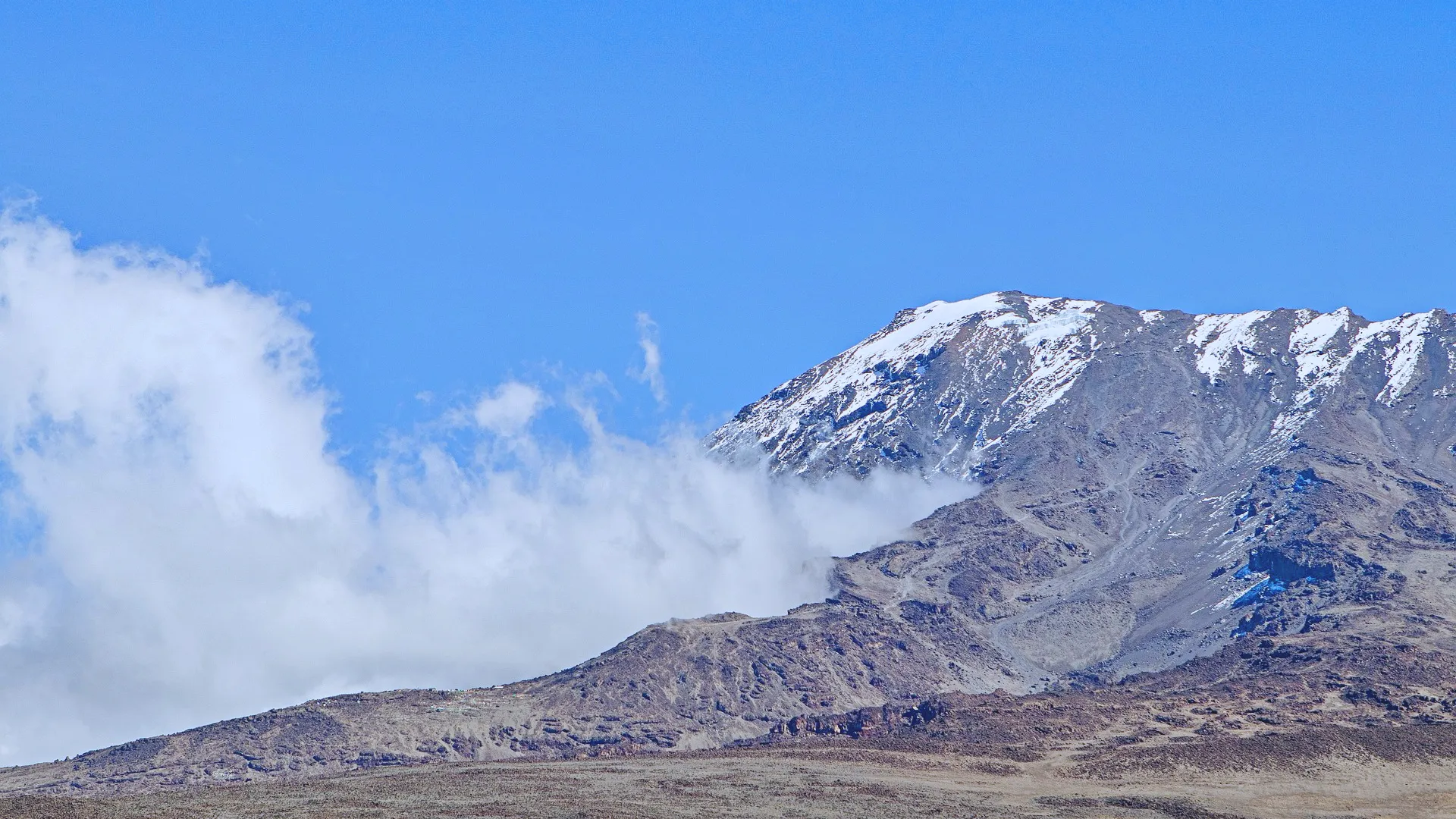
A slow and scenic ascent across Kilimanjaro’s quiet western flank.
View full itinerary ↓
A complete checklist refined from real expeditions, covering clothing, equipment, and high-altitude essentials.
Home » Kilimanjaro routes » Rongai Route
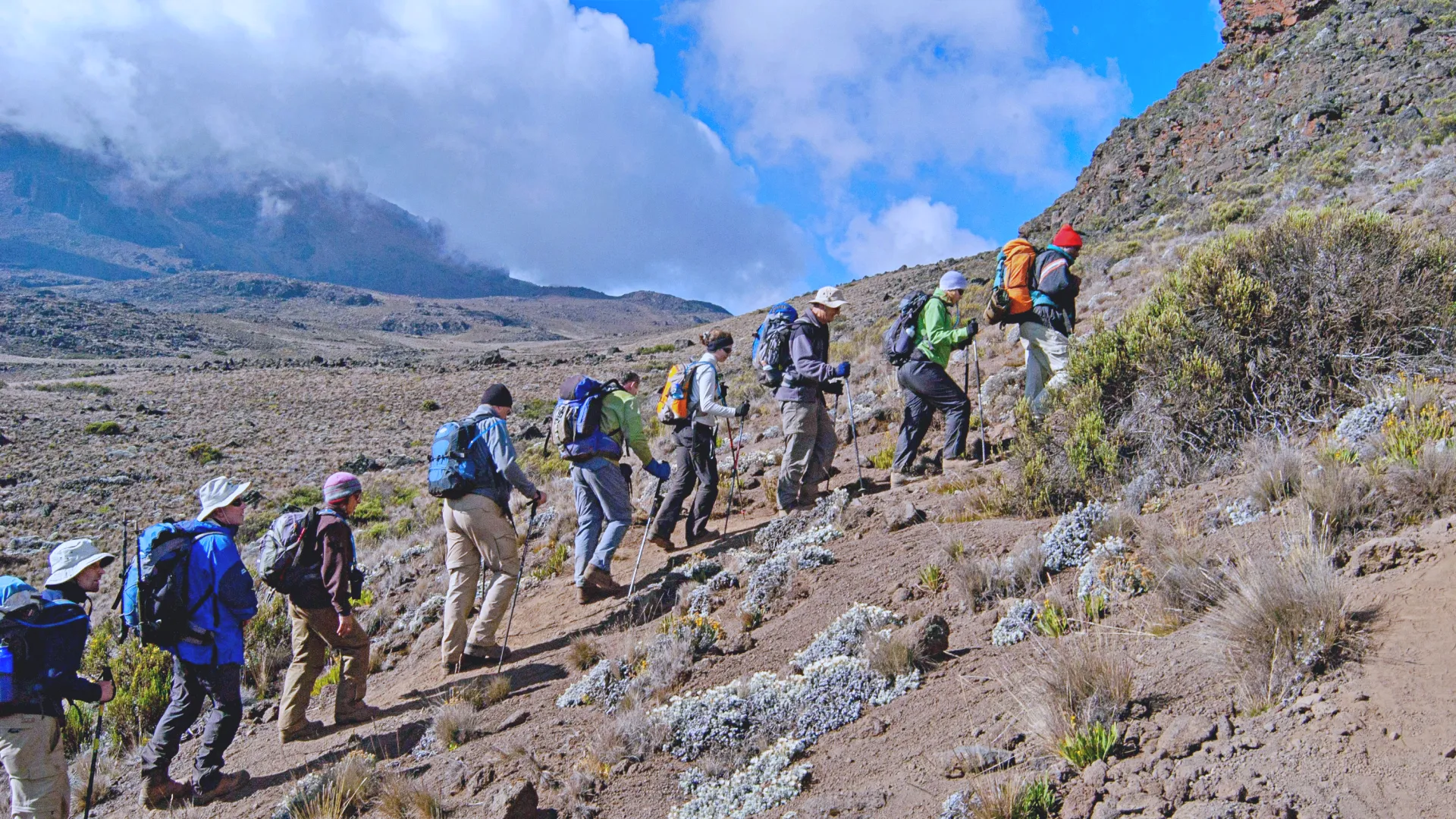
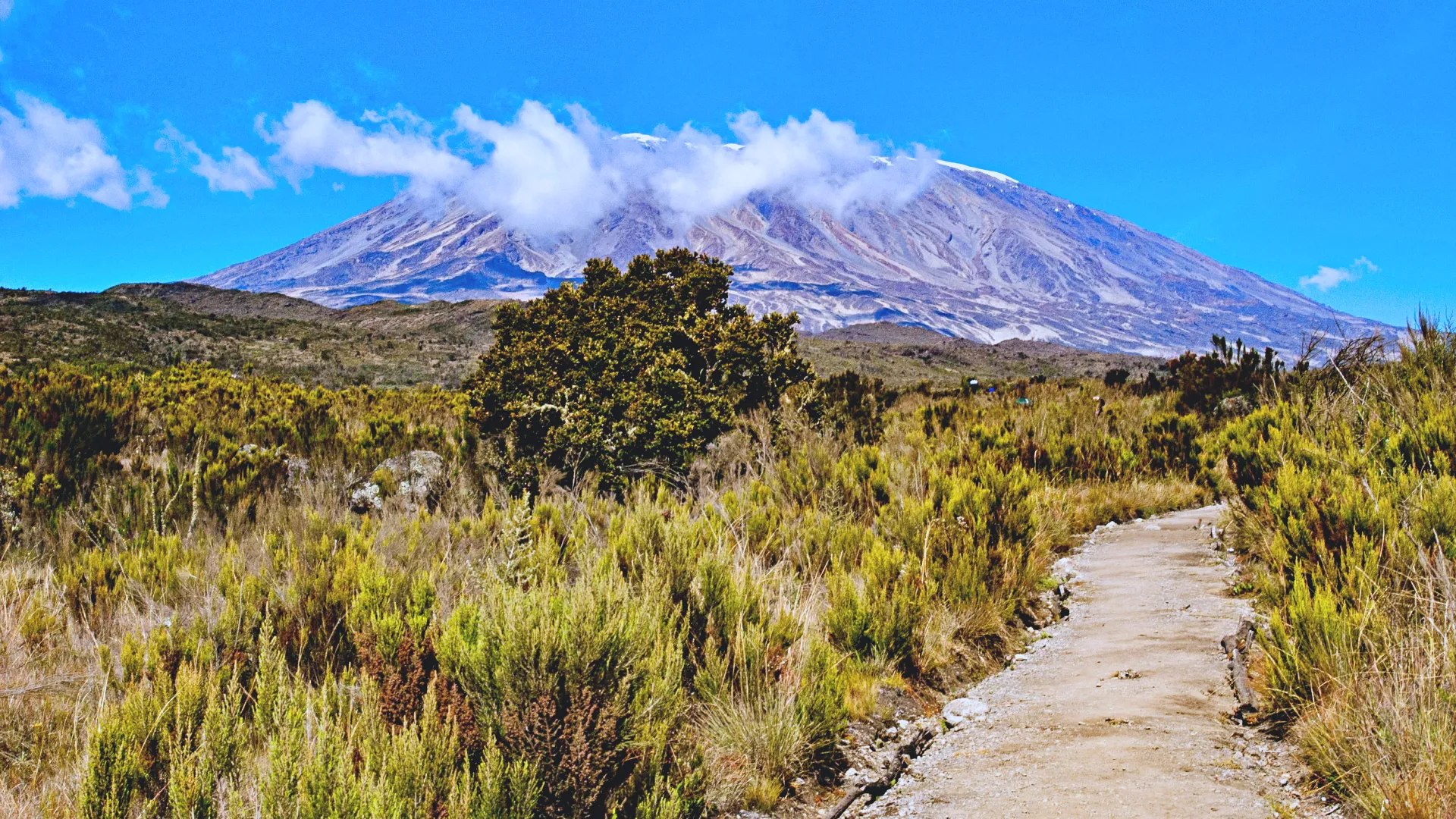
Approaching Kilimanjaro from the quiet northern side, the Rongai Route begins in open countryside near the Kenyan border, far from the busier southern trails. The early days feel spacious and unhurried, with gentle gradients and wide views across dry plains where wildlife is sometimes seen.
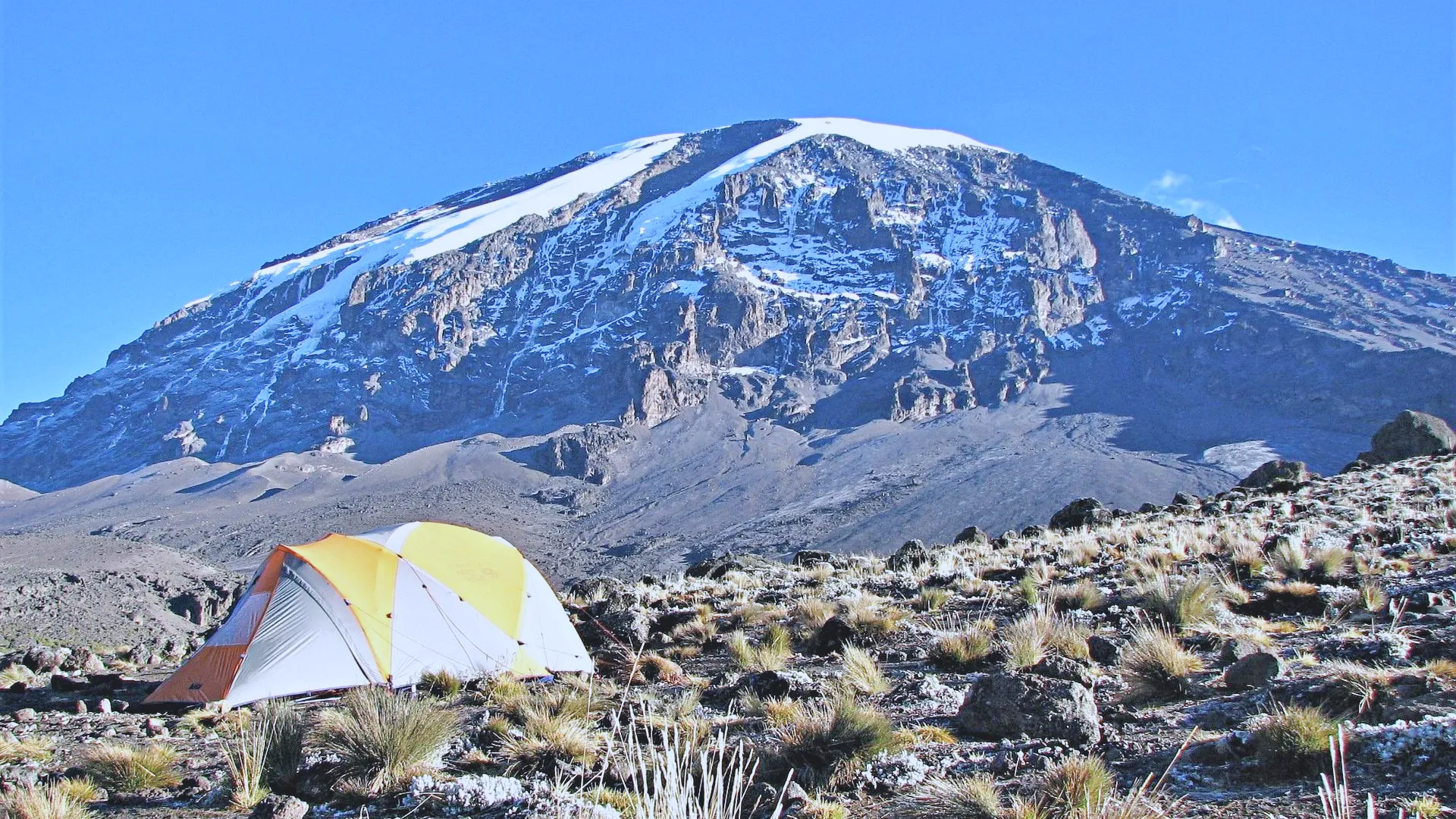
As the climb continues, the route passes beneath the rugged towers of Mawenzi, one of the mountain’s most striking volcanic formations. Camps are peaceful and often less crowded, reinforcing the sense of solitude that defines Rongai. The steady pace supports comfortable acclimatization, allowing climbers to adapt naturally to the increasing altitude.
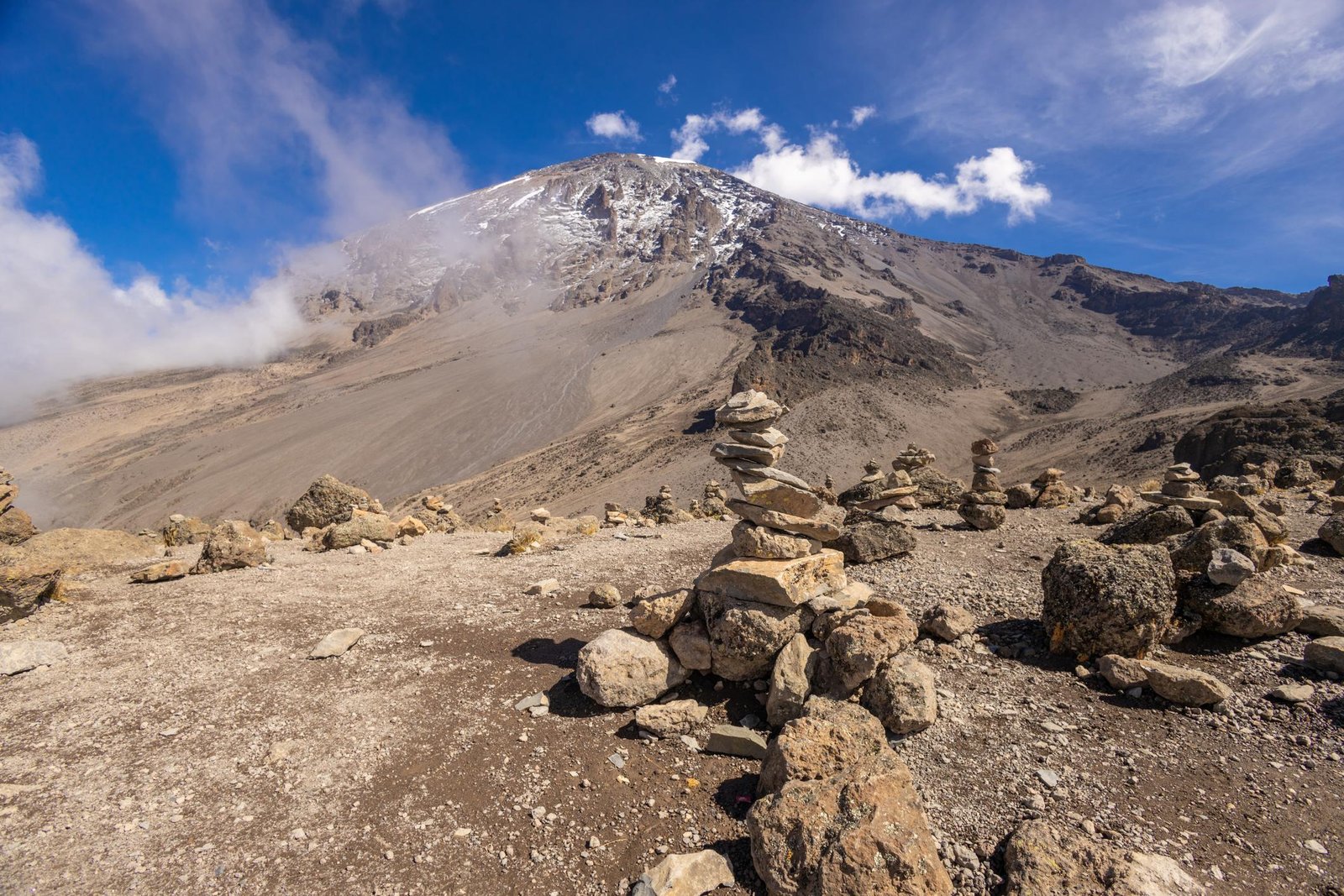
Crossing the high saddle toward Kibo brings a shift in atmosphere. The landscape becomes stark and silent, and attention turns fully toward the summit ahead. The final ascent unfolds in darkness, culminating in sunrise over glaciers and distant horizons that feel both remote and immense.
Rongai is remembered for its calmness — a journey of space, silence, and steady progress — offering a quieter relationship with Kilimanjaro that contrasts beautifully with the mountain’s more traveled paths.
Each route differs in acclimatization, scenery, difficulty, and summit success. This quick guide highlights the essential contrasts to help you choose the right path before exploring detailed itineraries.
The trek begins near the Kenyan border at Rongai Gate, where registration is completed before entering pine forest and open farmland. The trail climbs gently through quiet wilderness rarely visited by other trekkers.
After several hours, you reach Simba Camp, offering wide views across the northern plains and a peaceful first night on the mountain.
The trail continues steadily through open moorland, revealing clearer views of Kibo’s summit cone and the surrounding highlands. The gradual elevation gain supports comfortable acclimatization.
Arrival at Second Cave Camp provides a relaxed afternoon for rest and altitude adjustment.
The route climbs gently toward Mawenzi Peak, passing through heather-covered slopes and increasingly open alpine scenery. The slower pace encourages effective acclimatization.
Kikelewa Camp sits in a sheltered valley with dramatic views of Mawenzi’s rugged spires.
A steady climb leads into the spectacular Mawenzi Tarn basin, one of the most scenic high-altitude camps on Kilimanjaro. Surrounded by the jagged peaks of Mawenzi, the setting is both dramatic and peaceful.
The afternoon is reserved for acclimatization walks and rest, an essential factor in improving summit success.
The trail crosses the broad saddle between Mawenzi and Kibo, a stark volcanic plain with sweeping views and no vegetation.
Arrival at Kibo Hut marks the final base before the summit attempt. After rest and preparation, climbers sleep early before the midnight ascent.
The summit push begins shortly after midnight, climbing steep scree toward Gilman’s Point at sunrise before continuing along the crater rim to Uhuru Peak, the highest point in Africa.
After celebrating, the descent continues to Horombo Hut for overnight recovery.
The final descent leads through moorland and rainforest to Marangu Gate, where climbers receive summit certificates before transfer to the hotel.
The trek begins near the Kenyan border at Rongai Gate, where registration is completed before entering pine forest and cultivated foothills. The trail climbs gently through a quiet and less-visited section of Kilimanjaro.
After several hours, you arrive at Simba Camp, offering expansive views across the northern plains and a peaceful first night on the mountain.
The trail climbs steadily through open moorland, revealing increasingly clear views of Kibo’s summit cone and the rugged spires of Mawenzi. The gradual elevation gain supports natural acclimatization despite the shorter itinerary.
Arrival at Kikelewa Camp provides a sheltered resting place with dramatic mountain scenery.
A steady ascent leads into the dramatic Mawenzi Tarn basin, one of Kilimanjaro’s most scenic high-altitude environments. Surrounded by jagged volcanic peaks, the camp offers a powerful sense of remoteness and wilderness.
The afternoon is typically reserved for rest and short acclimatization walks.
The route crosses the broad volcanic saddle between Mawenzi and Kibo, a stark and silent landscape devoid of vegetation.
Arrival at Kibo Hut marks the final base before the summit attempt. After rest and preparation, climbers sleep early before the midnight ascent.
The summit push begins shortly after midnight, climbing steep scree toward Gilman’s Point at sunrise before continuing along the crater rim to Uhuru Peak, the highest point in Africa.
After celebration at the summit, the descent continues to Horombo Hut for overnight recovery.
The final descent leads through moorland and lush rainforest back to Marangu Gate, where climbers receive summit certificates and conclude their Kilimanjaro journey before transfer to the hotel.
Mount Kilimanjaro climbing is a carefully supported expedition that requires experienced guides, professional mountain crews, quality camping equipment, and strict safety protocols. The prices represent the total cost per person based on group size, allowing us to distribute the cost of guides, porters, park fees, transport, and expedition equipment across the team.
As the group size increases, the price per climber decreases because essential logistics such as mountain crew support, some safety equipment, and vehicle transfers are shared among participants.
| Pax | 1 | 2 | 3 | 4 | 5 | 6 | 7 | 8 | 9 | 10+ |
|---|---|---|---|---|---|---|---|---|---|---|
| 6-Day Rongai | $2,231 | $1,797 | $1,671 | $1,610 | $1,601 | $1,571 | $1,550 | $1,534 | $1,522 | $1,511 |
| 7-Day Rongai | $2,522 | $2,049 | $1,910 | $1,843 | $1,835 | $1,802 | $1,778 | $1,761 | $1,747 | $1,736 |
(No hidden authority costs later)
Tips are customary and expected on Kilimanjaro and go directly to the crew.
Recommended total tip guideline (per group per day):
(Exact tipping chart provided after booking confirmed)
Climbing Kilimanjaro is a high-altitude expedition, not a simple hike. Every ascent is supported by experienced mountain crews, careful acclimatization pacing, and continuous health monitoring designed to protect both safety and summit success.
Certified local guides lead every climb, combining technical mountain knowledge with years of high-altitude experience on Kilimanjaro’s changing terrain and weather.
Oxygen saturation, heart rate, and overall condition are checked throughout the trek to identify altitude stress early and respond calmly and safely.
Crews carry emergency oxygen, first-aid equipment, and maintain clear evacuation procedures to ensure rapid response if conditions require descent.
Fair porter treatment, proper equipment, and responsible mountain practices protect both the team and the environment throughout the expedition.