Tananzania · Africa
Mount Kilimanjaro
Africa’s Highest Peak
Overview
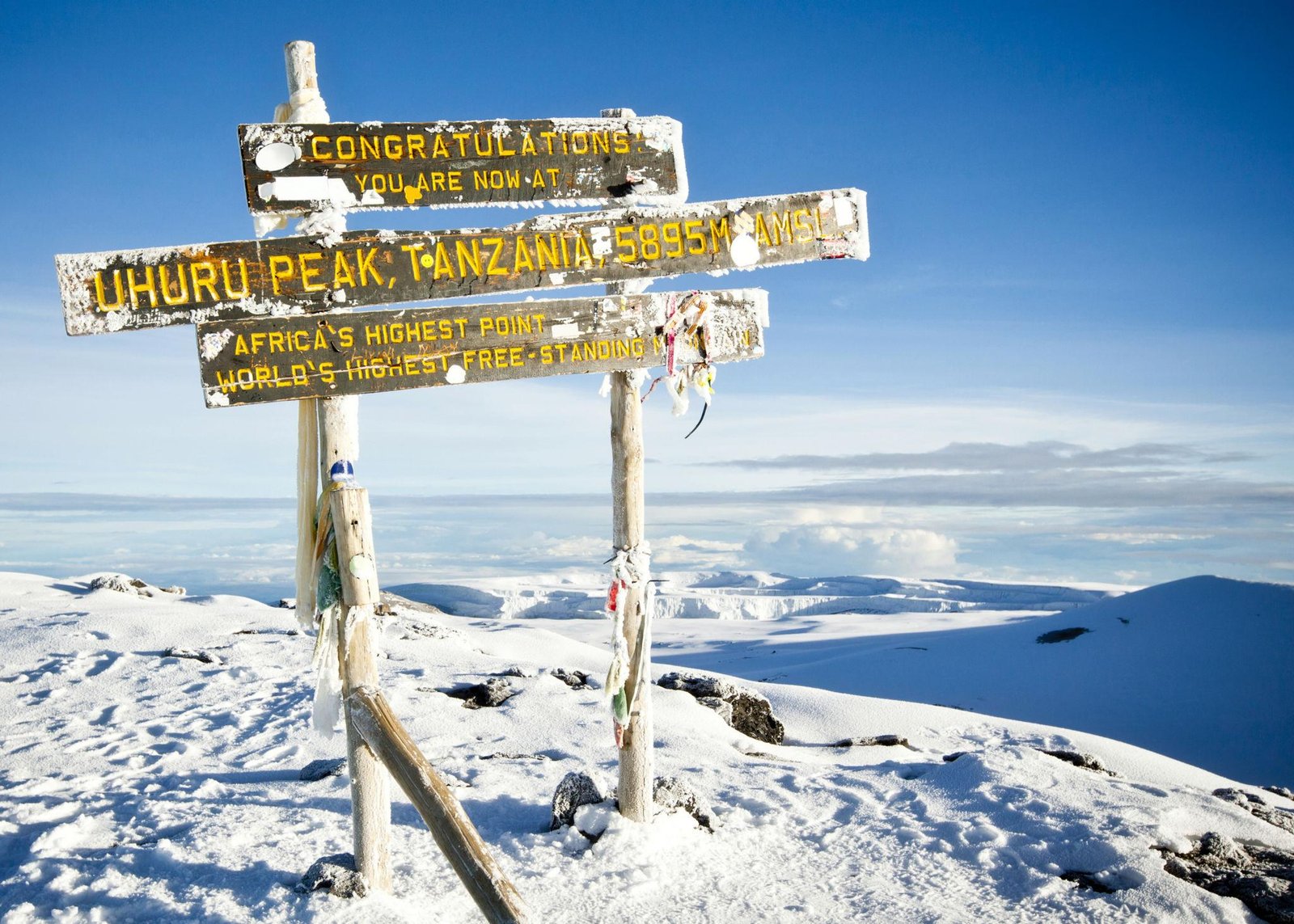
The Mount Kilimanjaro is Africa’s highest mountain and one of the most recognizable natural landmarks in the world. Rising to 5,895 meters above sea level, it is the tallest free-standing mountain on Earth and a premier trekking destination.
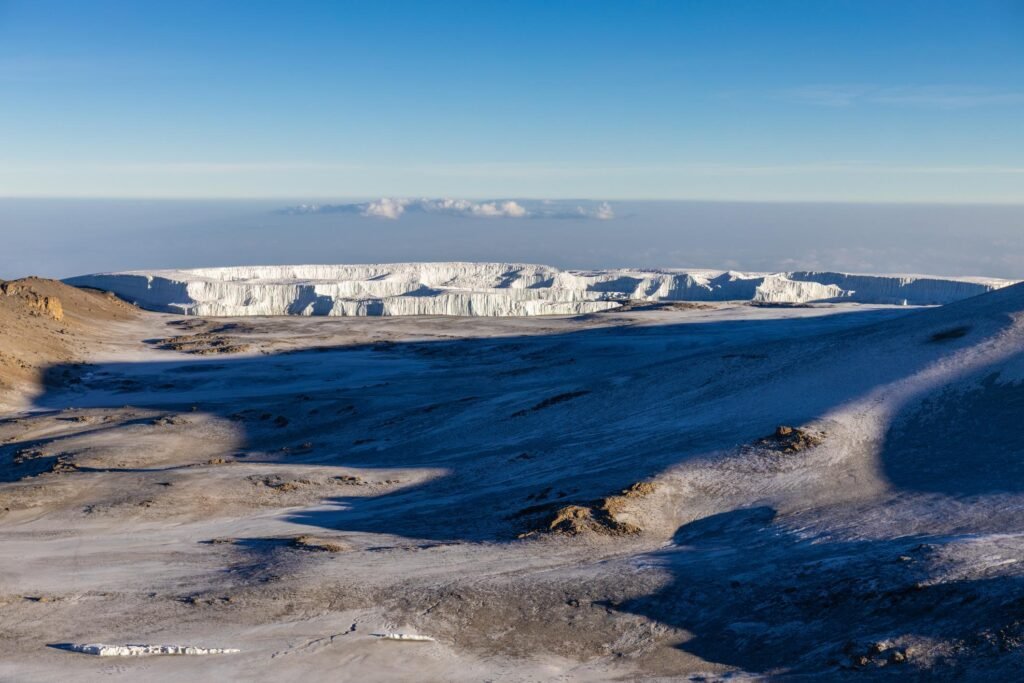
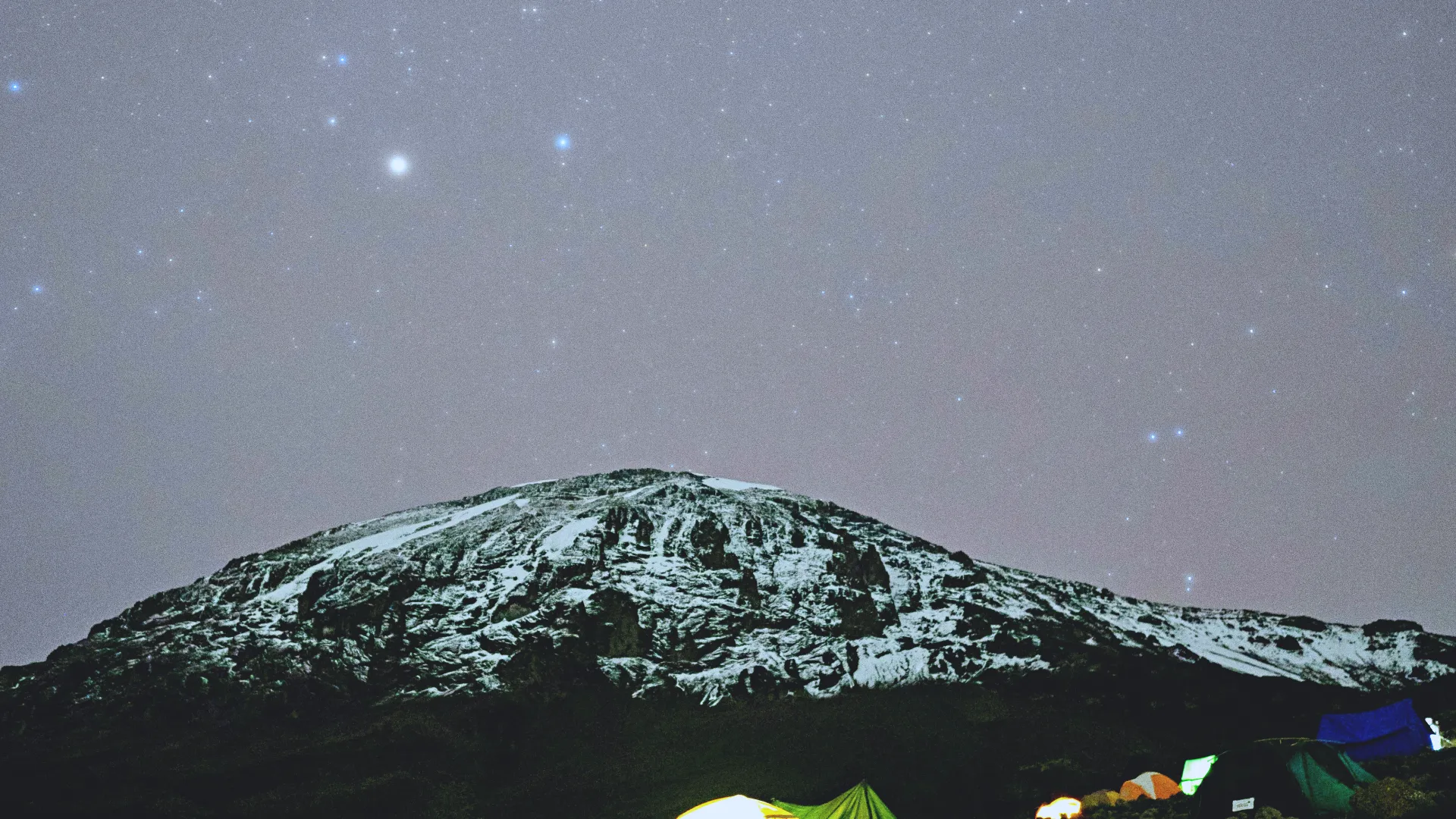
Located in northern Tanzania near the Kenyan border, Kilimanjaro is a dormant volcanic massif composed of three cones: Kibo, Mawenzi, and Shira. The mountain is protected within Kilimanjaro National Park and offers a unique journey through multiple ecological zones, from tropical rainforest to alpine desert and arctic summit.
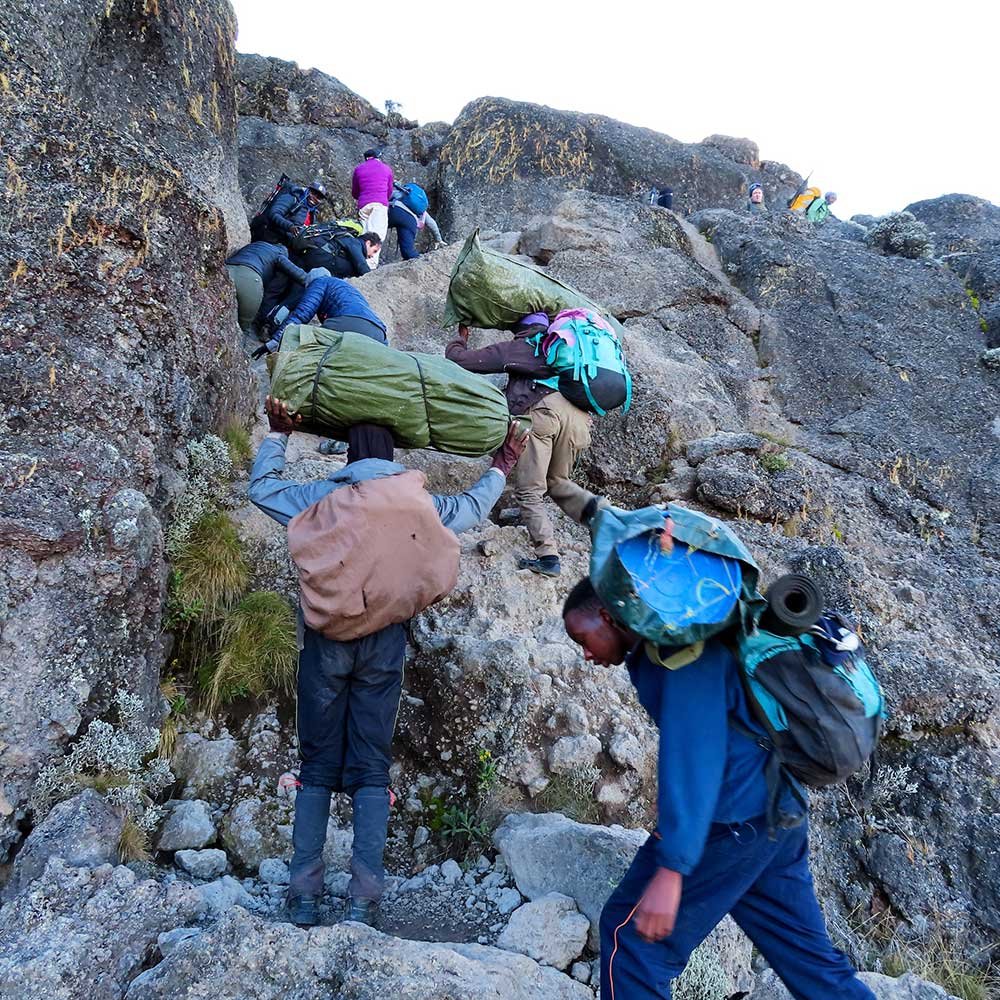
Unlike technical climbs, Kilimanjaro can be summited without mountaineering experience, making it accessible to a wide range of trekkers, though physical preparation and acclimatization are essential.
Mount Kilimanjaro was formed through volcanic activity millions of years ago, creating three volcanic cones: Kibo, Mawenzi, and Shira. Kibo remains dormant and is the highest point, crowned by Uhuru Peak. The name “Kilimanjaro” is widely believed to originate from a combination of Swahili and Chagga words, often interpreted as “Mountain of Greatness” or “Shining Mountain,” though its exact linguistic origin remains debated.
Kilimanjaro National Park was established in 1973 to protect the mountain’s unique ecosystems and was later designated a UNESCO World Heritage Site in 1987 due to its natural significance. The first recorded successful summit was achieved in 1889 by Hans Meyer and Ludwig Purtscheller, marking the beginning of Kilimanjaro’s global recognition as a climbing destination.
Today, the park plays a crucial role in conserving water catchment forests, biodiversity, and the mountain’s fragile high-altitude environment, which is increasingly affected by climate change.
Kilimanjaro offers a once-in-a-lifetime trekking experience, combining physical challenge with dramatic environmental diversity. It is one of the few places in the world where you can walk from lush rainforest to glaciers within a matter of days.
Reaching Uhuru Peak is a major personal achievement, attracting climbers from around the globe. Beyond the summit, the journey itself—through changing landscapes, unique flora, and expansive views—is equally rewarding.
For travelers seeking adventure, challenge, and global significance, Kilimanjaro stands as one of the ultimate expedition experiences.
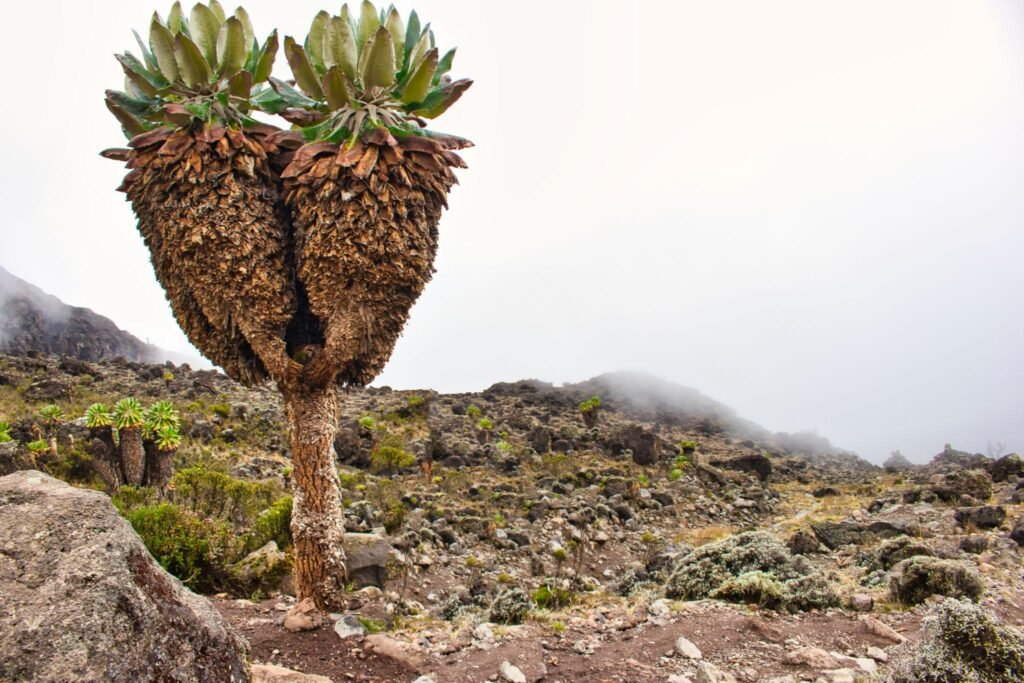
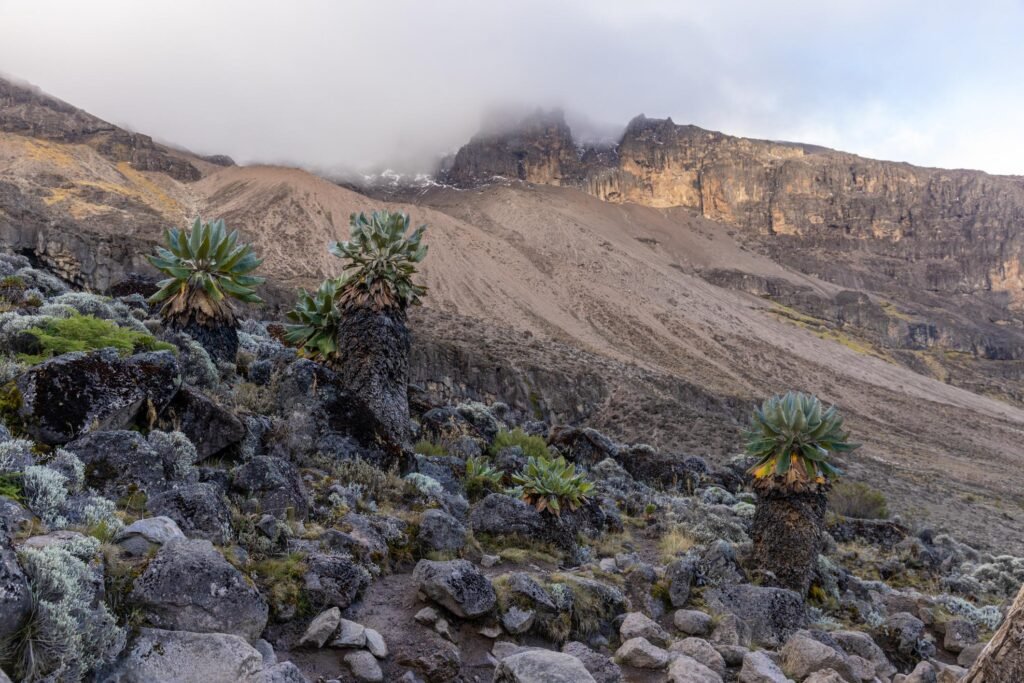
Kilimanjaro is defined by its vertical ecological diversity, with distinct zones that climbers pass through during ascent.
These include cultivated foothills, dense rainforest, heath and moorland, alpine desert, and the arctic summit zone. Each zone presents unique vegetation, climate, and scenery.
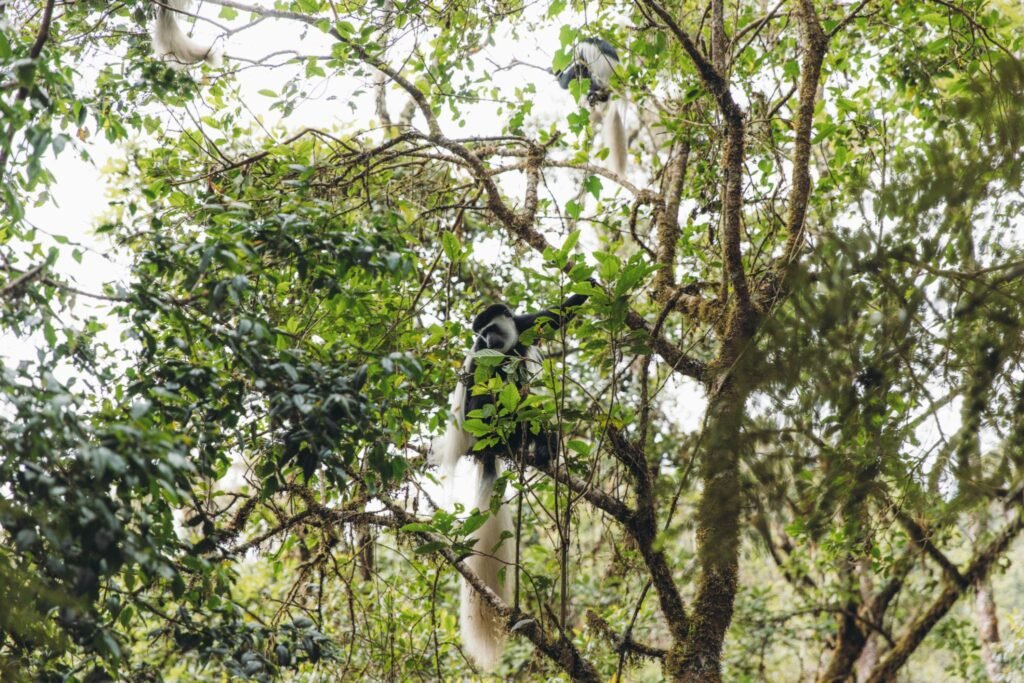
Wildlife is present in the lower forest zones, including monkeys, birds, and small mammals, while higher elevations are largely barren and dramatic.
Best Time to Visit
The best times to climb Mount Kilimanjaro are during the dry seasons: January to March and June to October.
These periods offer clearer skies, better trail conditions, and higher summit success rates. The rainy seasons (April–May and November) bring more challenging conditions but fewer climbers.
Travel tips
-
Best accessed via Kilimanjaro International Airport
-
Proper acclimatization is critical for summit success
-
Choose longer routes for higher success rates
-
Combine with safari (Serengeti, Ngorongoro) or Zanzibar
Safari Route
Kilimanjaro is not a safari route, but it integrates into broader travel plans.
Typical combination:
This creates a complete Tanzania experience: adventure + safari + beach.
Your Tanzania Story
Starts with a Conversation
Travel planning often begins with a single question. Let us know when you can travel, who you’re bringing, and what you’re dreaming of — our local experts will handle everything else.