
Tananzania · Africa

Tarangire National Park

Northern Tanzania

Overview

Tarangire National Park was officially established in 1970, following its earlier designation as a game reserve during the colonial period. The transition to national park status marked a shift toward stronger conservation and long-term protection of the area’s wildlife and ecosystems.

The park takes its name from the Tarangire River, which flows through the landscape and serves as the primary water source for wildlife. The name “Tarangire” is widely understood to originate from local languages, combining “Tara,” meaning “river,” and “Ngire,” meaning “warthog,” often interpreted as “river of warthogs.” This reflects both the ecological importance of the river and the abundance of warthogs commonly found in the area.

Covering approximately 2,850 square kilometers, Tarangire plays a vital role within the larger Tarangire–Manyara ecosystem. It functions as a critical dry-season refuge, drawing large numbers of elephants and other wildlife from surrounding dispersal areas.

Although not designated as a UNESCO World Heritage Site, the park is regionally significant for conservation, particularly in maintaining wildlife migration corridors and supporting one of Tanzania’s largest elephant populations.

Why Visit

Tarangire National Park?

Tarangire National Park was officially established in 1970, evolving from a former game reserve that was set aside to protect wildlife populations in the area. The transition to national park status marked a shift toward stronger conservation and long-term ecological management.

The park is named after the Tarangire River, which serves as its primary water source and plays a critical role in sustaining wildlife, particularly during the dry season.

Covering approximately 2,850 square kilometers, Tarangire is an essential part of the northern Tanzania ecosystem. It functions as a seasonal refuge for wildlife migrating from surrounding areas, making it a key component in maintaining regional biodiversity.

Although less globally recognized than Serengeti or Ngorongoro, Tarangire is highly valued for its ecological importance, particularly in supporting large elephant populations and diverse habitats.

History of

Tarangire National Park

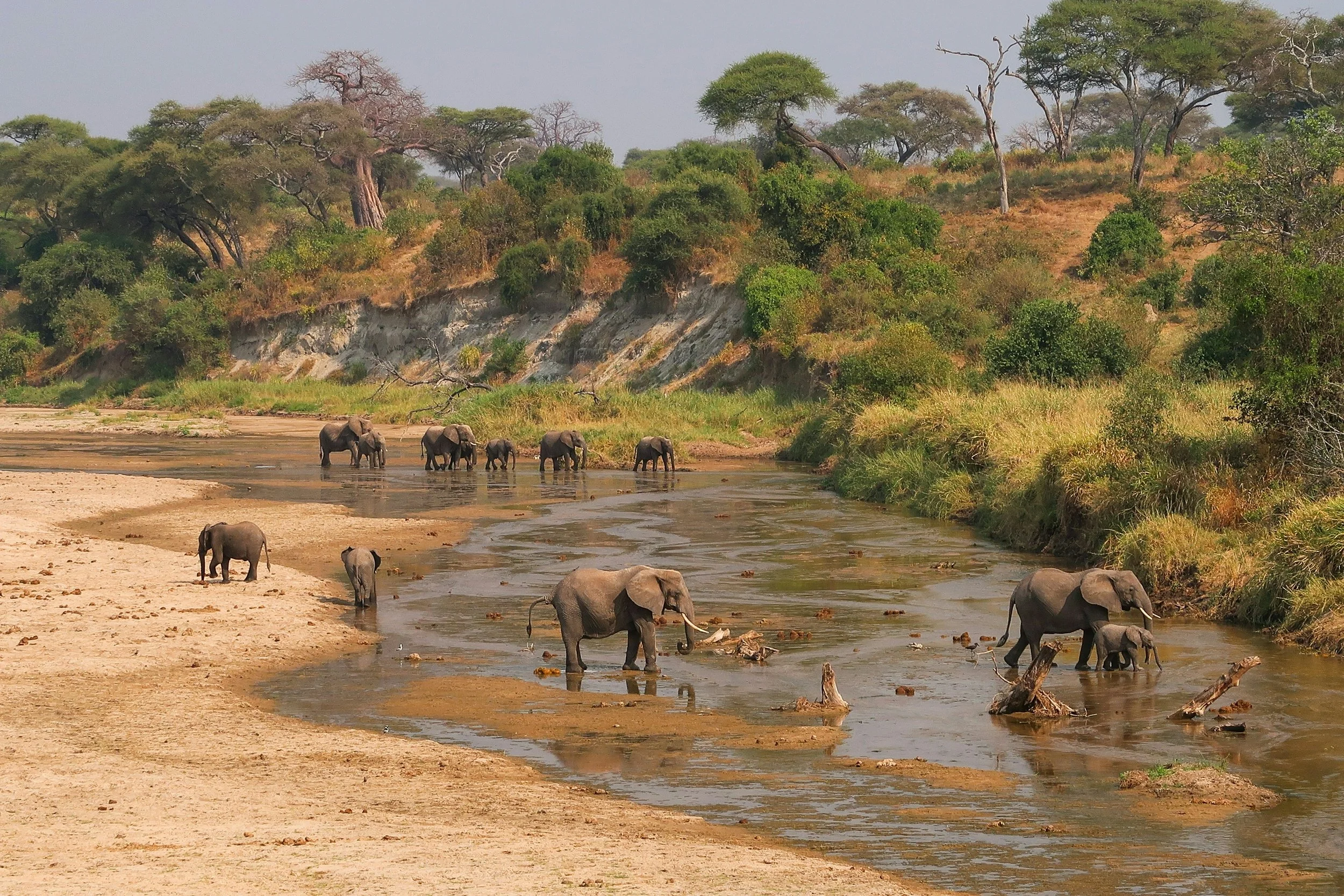
Tarangire stands out for its strong seasonal character and its large elephant population, often seen in herds moving along the river. It offers a quieter alternative to the Serengeti, with fewer vehicles and a more relaxed safari atmosphere.

The park is also known for its iconic baobab trees, which dominate the landscape and create a distinctive visual identity. Combined with varied habitats and reliable wildlife sightings during the dry season, Tarangire provides an excellent introduction to Tanzania’s safari experience.

For travelers seeking a balance between wildlife density, scenery, and tranquility, Tarangire delivers a highly rewarding experience.

Gallery

Wildlife & Landscape

Tarangire’s landscape is dominated by baobab-studded plains, acacia woodlands, and the life-giving Tarangire River. Seasonal swamps and floodplains provide additional habitats that attract wildlife throughout the year.

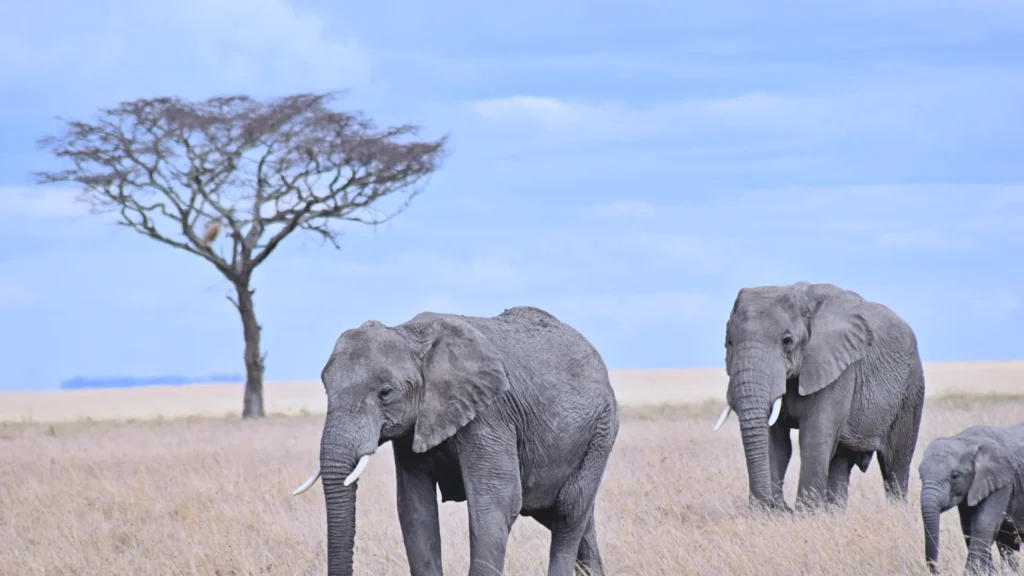
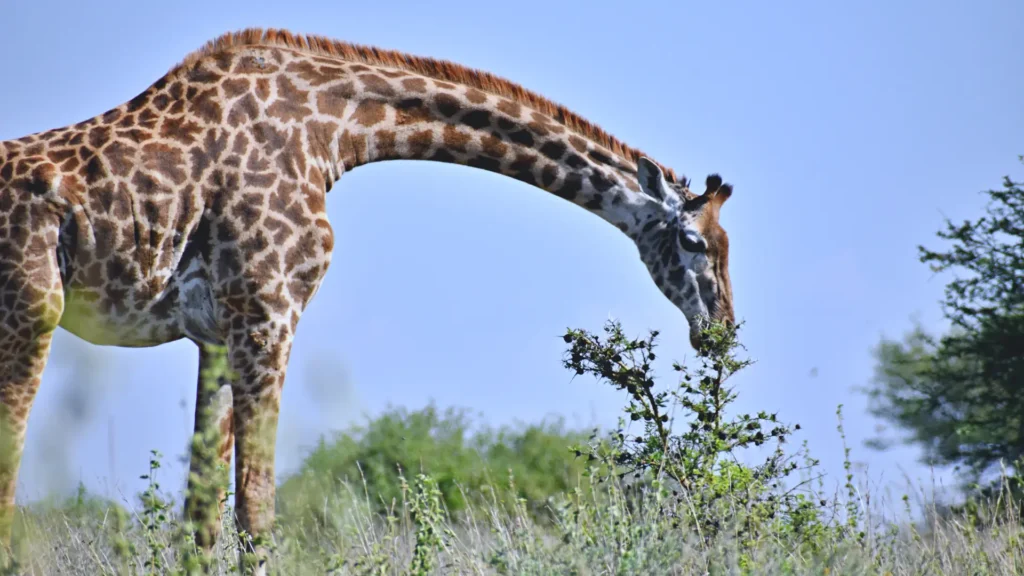
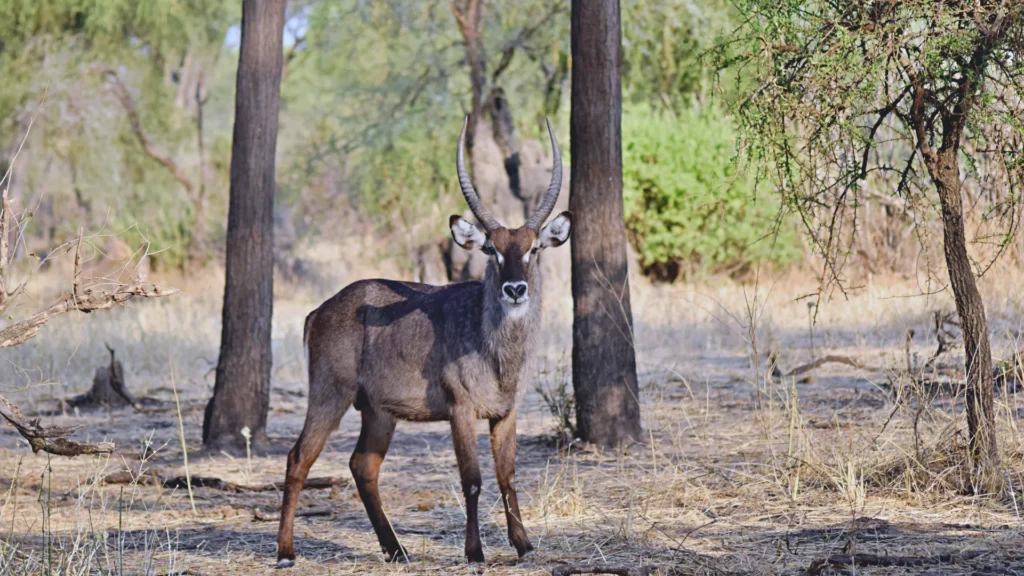
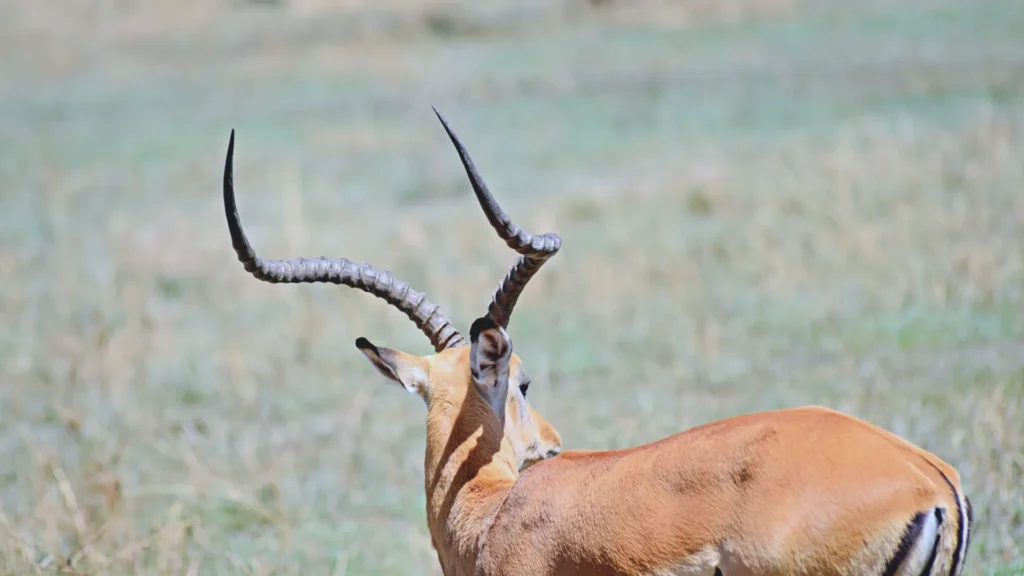
The park is particularly famous for its large elephant herds, some of the biggest in Tanzania. Lions, leopards, cheetahs, giraffes, zebras, wildebeest, and buffalo are commonly seen, especially during the dry season.

Tarangire is also one of Tanzania’s top birdwatching destinations, with over 500 species recorded, including both resident and migratory birds.

Top Experience

Elephant Herds Along the Tarangire River

Observe large groups of elephants gathering along the river, especially during the dry season.
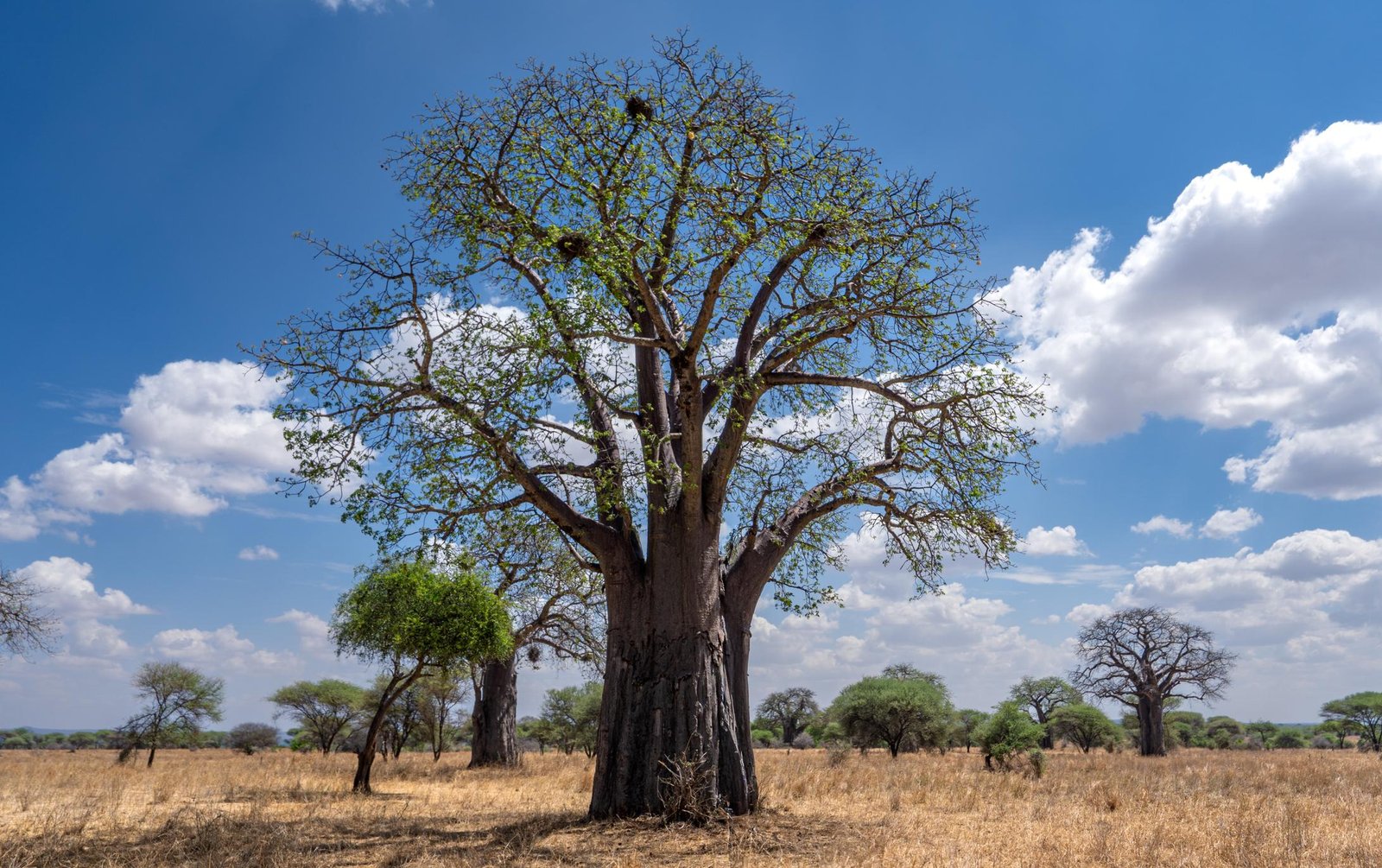
Baobab Landscapes

Explore the park’s iconic baobab trees, creating one of Tanzania’s most distinctive safari settings.

Dry Season Wildlife Concentration

Experience high densities of wildlife as animals migrate into the park in search of water.
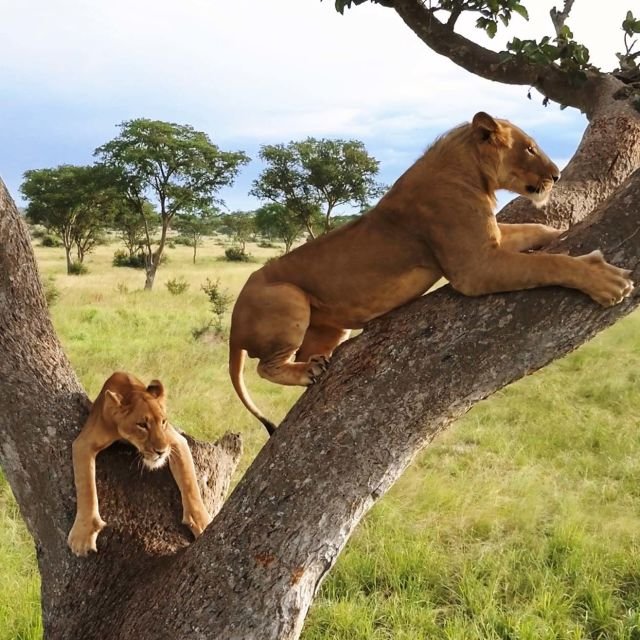
Tree-Climbing Lions

Occasionally spot lions resting in trees, a unique behavior seen in Tarangire.
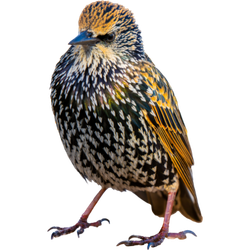
Birdwatching

Discover a rich diversity of birdlife across different habitats and seasons.

Activities

Game Drives

Explore the park with experienced guides, focusing on river areas and wildlife hotspots.

Birdwatching

Observe a wide range of bird species across different habitats.

Photography Safaris

Capture dramatic landscapes, baobab trees, and wildlife interactions.

Best Time to Visit

The best time to visit Tarangire National Park is during the dry season, from June to October. During this period, wildlife gathers around the Tarangire River, making sightings frequent and predictable.

The green season, from November to May, offers lush landscapes, fewer visitors, and excellent birdwatching opportunities. While wildlife is more dispersed, the park becomes more scenic and शांत, appealing to those seeking a quieter safari experience.

Travel tips

  • Located about 2–3 hours’ drive from Arusha

  • Ideal as the first or last stop in a Northern Circuit safari

  • Best wildlife viewing during the dry season

  • Combine with Ngorongoro and Serengeti for a complete experience

Safari Route

Tarangire is typically the entry point into Tanzania’s Northern Circuit.

Typical routing:

Arusha Tarangire National Park Ngorongoro Conservation Area Serengeti National Park

It can also be visited at the end of a safari for a relaxed conclusion before returning to Arusha.

Related

Your Tanzania Story Starts with a Conversation

Travel planning often begins with a single question. Let us know when you can travel, who you’re bringing, and what you’re dreaming of — our local experts will handle everything else.

Shared Safari Form

Safari Inquiry Form