Tananzania · Africa

Ngorongoro Conservation Area

UNESCO World Heritage

Overview

The Ngorongoro Conservation Area is one of Africa’s most unique protected landscapes, where wildlife conservation and human habitation coexist within a single ecosystem. Located in northern Tanzania, it forms a vital link within the greater Serengeti ecosystem and is a key component of the Northern Safari Circuit.

Covering approximately 8,292 square kilometers, the area is composed of distinct regions, each offering a different experience. The Ngorongoro Crater is the centerpiece, a विशाल intact caldera with one of the highest concentrations of wildlife in Africa. Surrounding it are the Ngorongoro Highlands, characterized by forested slopes, volcanic peaks, and Maasai settlements.

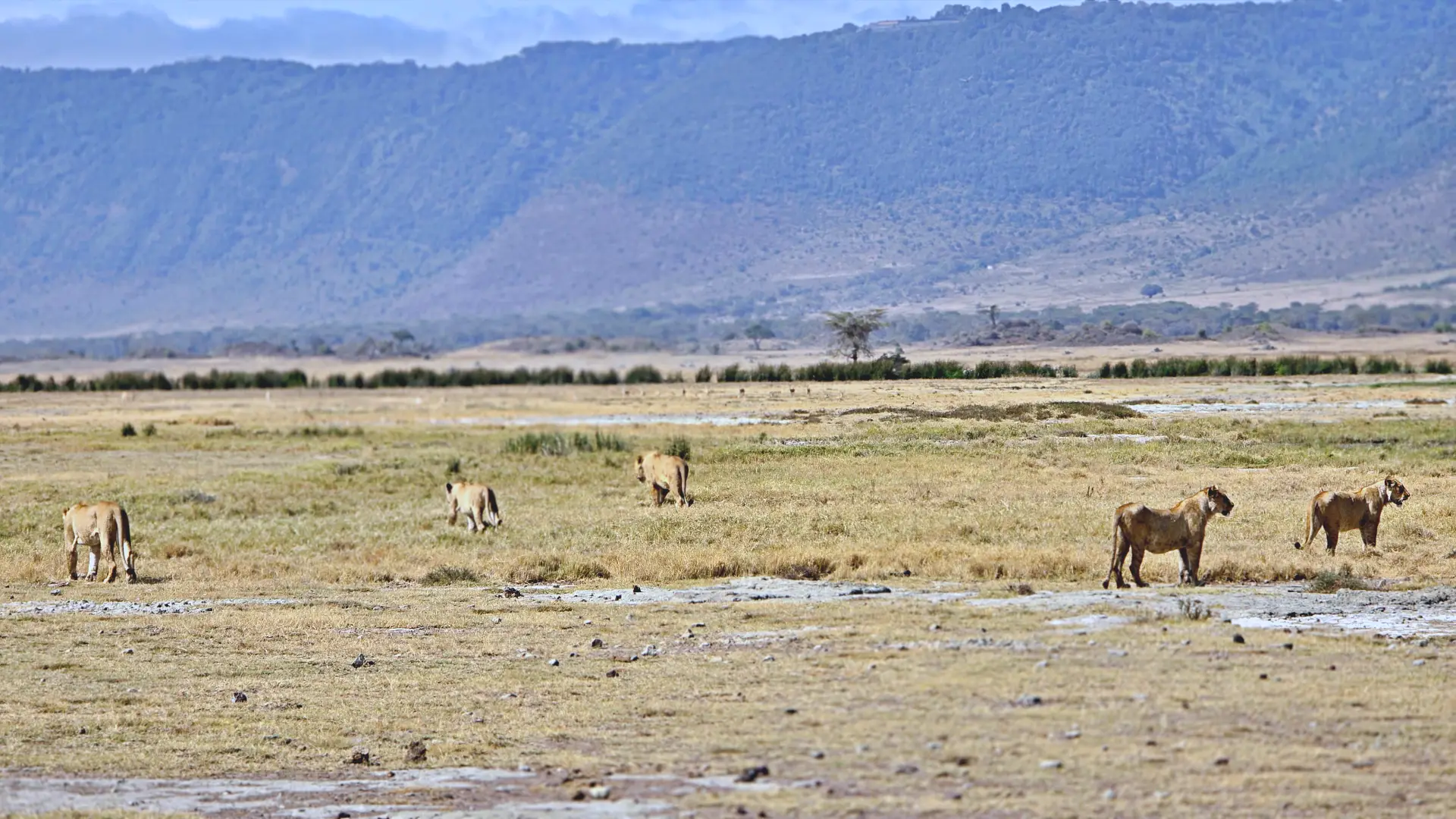
To the west and south lies the Ndutu Plains, a crucial part of the Serengeti–Ngorongoro ecosystem. This area is best known as the primary location for the Great Migration calving season, where thousands of wildebeest give birth between December and March. The open grasslands of Ndutu attract high predator activity, particularly cheetahs and lions, making it one of the most dynamic wildlife areas in Tanzania.

Additional regions such as Empakaai Crater and Olduvai Gorge add ecological and historical depth, making Ngorongoro not just a single destination, but a multi-layered conservation landscape combining wildlife, culture, and human history.


Why Visit

Ngorongoro Conservation Area?

Ngorongoro Conservation Area was established in 1959 after being separated from Serengeti National Park. This transition created a unique conservation model that allows both wildlife protection and human habitation, primarily by the Maasai pastoralists.

The name “Ngorongoro” is believed to originate from the Maasai word associated with the sound of cowbells, reflecting the deep cultural connection between the land and its people. Covering approximately 8,292 square kilometers, the conservation area protects a wide range of ecosystems and plays a critical role within the greater Serengeti ecosystem.

Ngorongoro is globally recognized as a UNESCO World Heritage Site for both its natural significance and its importance in human history. The area includes Olduvai Gorge, one of the most important paleoanthropological sites in the world, often referred to as the “Cradle of Mankind.” The conservation area remains a key example of balancing ecological preservation with sustainable human use.

History of

Ngorongoro Conservation Area

Ngorongoro offers one of the most reliable and rewarding wildlife experiences in Tanzania. The crater floor provides exceptional game viewing, often described as a natural enclosure where wildlife can be seen in high concentrations within a relatively small area.

It is one of the best places in Tanzania to spot the endangered black rhino, alongside lions, elephants, buffalo, and a wide variety of other species. The dramatic scenery—steep crater walls, open grasslands, and soda lakes—adds to the uniqueness of the experience.

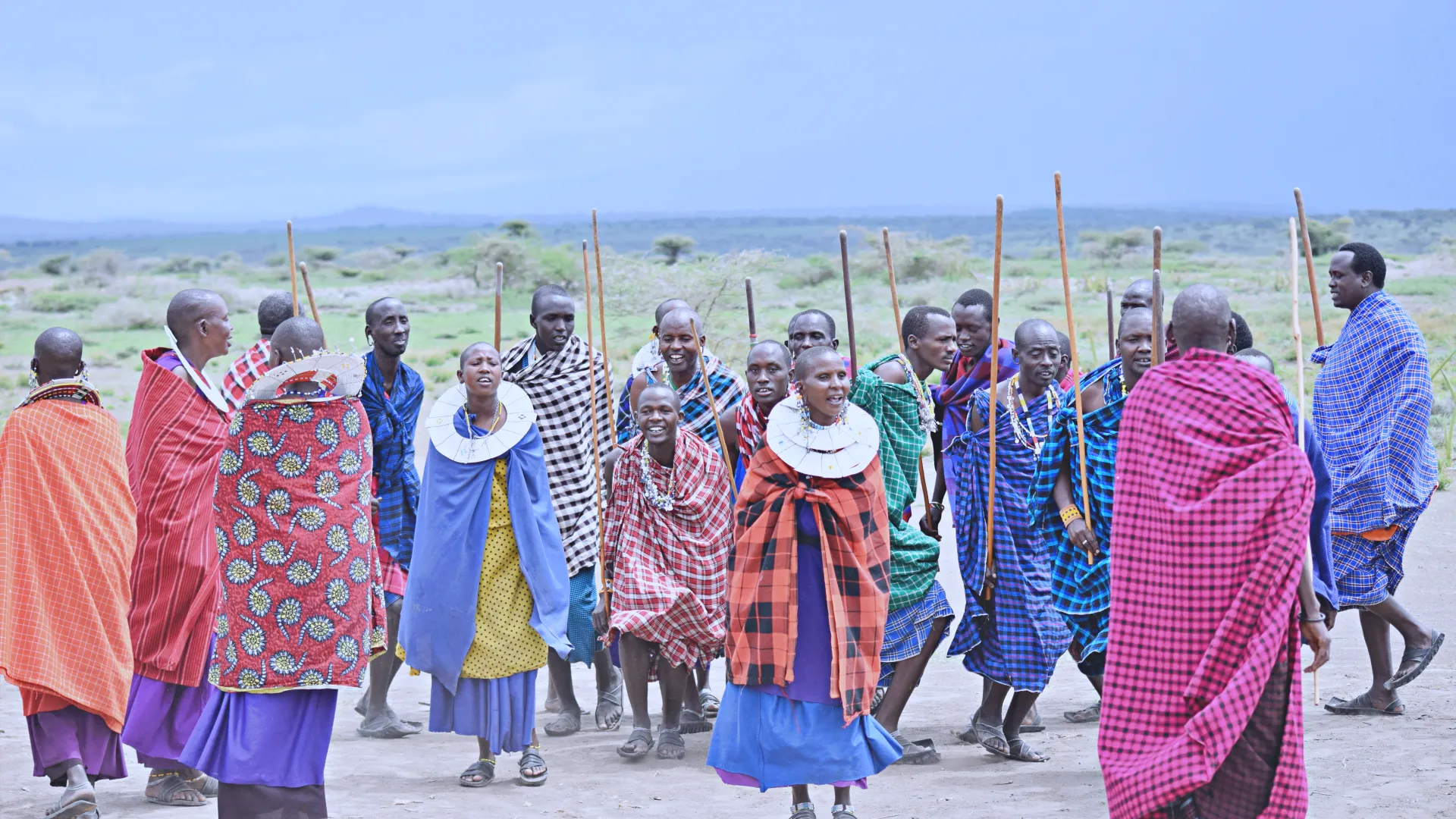
In addition to wildlife, Ngorongoro stands out for its cultural significance, where visitors can witness the traditional lifestyle of the Maasai people coexisting with nature.

Gallery

Wildlife & Landscape

The Ngorongoro Crater is the highlight of the conservation area, with its enclosed ecosystem supporting a dense population of wildlife. The crater floor features grasslands, swamps, and Lake Magadi, which attracts flamingos and other bird species.

Wildlife commonly seen includes lions, elephants, buffalo, zebras, wildebeest, and hyenas. The crater is also one of the few places in Tanzania where black rhinos can still be observed.

Outside the crater, the highlands offer cooler climates, forested slopes, and panoramic views, while areas like Empakaai Crater provide more remote and scenic experiences.

Top Experience

Ngorongoro Crater Game Drive

Descend into the crater for one of Africa’s most concentrated wildlife viewing experiences.

Black Rhino Sightings

Spot one of Tanzania’s most protected and rare species within the crater floor.

Crater Rim Views

Enjoy breathtaking panoramic views from the crater rim, especially at sunrise.

Maasai Cultural Encounters

Experience traditional Maasai life within the conservation area.

Empakaai Crater Hike

Explore a quieter volcanic crater with scenic views and flamingo-filled lakes.

Activities

Game Drives

Explore the crater floor and surrounding areas with experienced guides.

Walking Safaris (Highlands)

Enjoy guided walks in designated highland areas with scenic views.

Cultural Visits

Visit Maasai communities to learn about their traditions and way of life.

Best Time to Visit

Ngorongoro can be visited year-round due to its consistent wildlife presence within the crater.

The dry season, from June to October, offers the best game viewing conditions with easier wildlife spotting and clear skies. The green season, from November to May, brings lush landscapes, fewer visitors, and excellent birdwatching opportunities.

Due to its high altitude, temperatures in Ngorongoro are generally cooler than those in the surrounding areas, especially in the early mornings and evenings.

Travel tips

  • Easily accessible from Arusha as part of the Northern Circuit

  • Often visited between Tarangire and Serengeti

  • Early morning crater descent is recommended for best wildlife viewing

  • Temperatures are cooler—pack warm clothing

Safari Route

Ngorongoro is a central component of Tanzania’s Northern Circuit.

Typical routing:

Dec–Mar:
Arusha → Tarangire → Ngorongoro (Ndutu) → Serengeti (optional north/central)

Jun–Oct:
Arusha → Tarangire → Ngorongoro (Crater) → Serengeti (North focus)

It can also be visited on the return leg from Serengeti for a well-balanced safari experience.

Related

Your Tanzania Story Starts with a Conversation

Travel planning often begins with a single question. Let us know when you can travel, who you’re bringing, and what you’re dreaming of — our local experts will handle everything else.

Shared Safari Form

Safari Inquiry Form