
Tananzania · Africa
Serengeti National Park
Overview
Serengeti National Park is Tanzania’s most iconic safari destination, renowned for its vast open plains, exceptional wildlife density, and the world-famous Great Migration. Located in northern Tanzania, the park forms part of a larger ecosystem that extends into Kenya’s Maasai Mara, creating one of the most important wildlife corridors on Earth.
Covering approximately 14,750 square kilometers, the Serengeti is a diverse and dynamic landscape made up of distinct regions, each offering a different safari experience. The Central Serengeti (Seronera) is the heart of the park, known for year-round wildlife and high predator concentrations. Short grass plains characterize the Southern Serengeti (Ndutu area) and are the main stage for the calving season. The Northern Serengeti (Kogatende) is defined by the Mara River, where dramatic river crossings occur during the migration.
To the west, the Western Corridor stretches toward the Grumeti River, offering seasonal migration and quieter, more remote game viewing. Together, these regions create a complete and ever-changing ecosystem where wildlife moves freely across vast distances in response to rainfall and grazing conditions.
This diversity of zones is what makes the Serengeti not just a single destination, but a year-round safari system, where the experience evolves depending on where and when you travel.
Why Visit
Serengeti National Park?
Serengeti National Park was officially established in 1951, making it one of the oldest protected areas in Tanzania. The name “Serengeti” is derived from the Maasai word Siringet, meaning “endless plains,” a reflection of the park’s vast, open landscapes.
Before becoming a national park, the area was part of a broader protected region that included the Ngorongoro Highlands. In 1959, the Ngorongoro Conservation Area was separated to allow coexistence between wildlife and Maasai communities, while the Serengeti remained strictly protected for conservation.
Today, Serengeti covers approximately 14,750 square kilometers and forms the core of the greater Serengeti ecosystem, which extends into Kenya’s Maasai Mara. It is globally recognized as a UNESCO World Heritage Site due to its ecological significance and the largest remaining unaltered animal migration in the world.
The park plays a vital role in conserving large predator populations, migratory species, and one of the last intact savannah ecosystems on Earth.
History of
Serengeti National Park
The Serengeti stands apart for its scale, wildlife richness, and year-round game viewing. It is one of the few places in Africa where you can witness large predator populations alongside massive herbivore migrations in a completely natural setting.
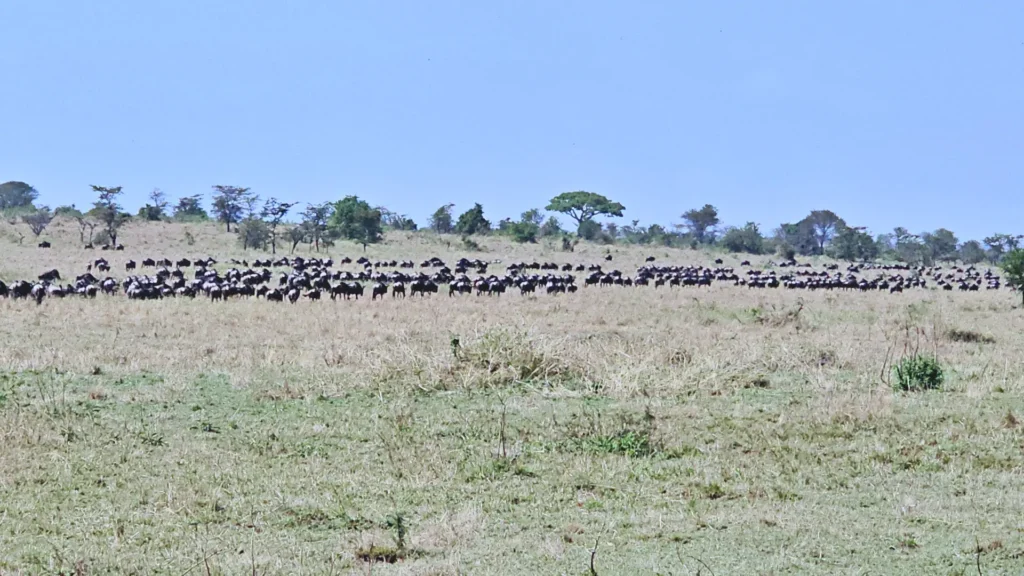
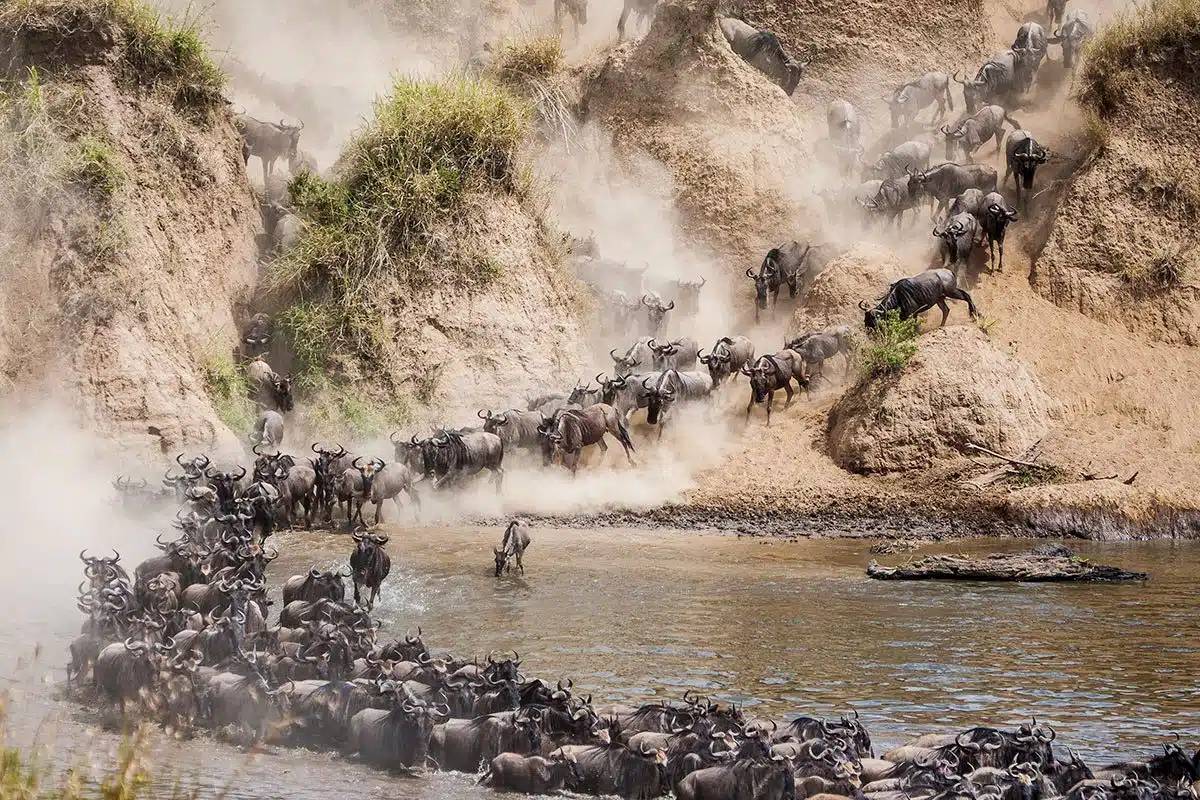
The Great Migration, involving over two million wildebeest, zebras, and gazelles, is one of the most spectacular wildlife events on the planet. Beyond migration, the park offers consistent sightings of lions, leopards, cheetahs, and other iconic species year-round.
For travelers seeking a classic African safari with dramatic landscapes and unparalleled wildlife encounters, the Serengeti delivers an experience that is both powerful and timeless.
Gallery
Wildlife & Landscape
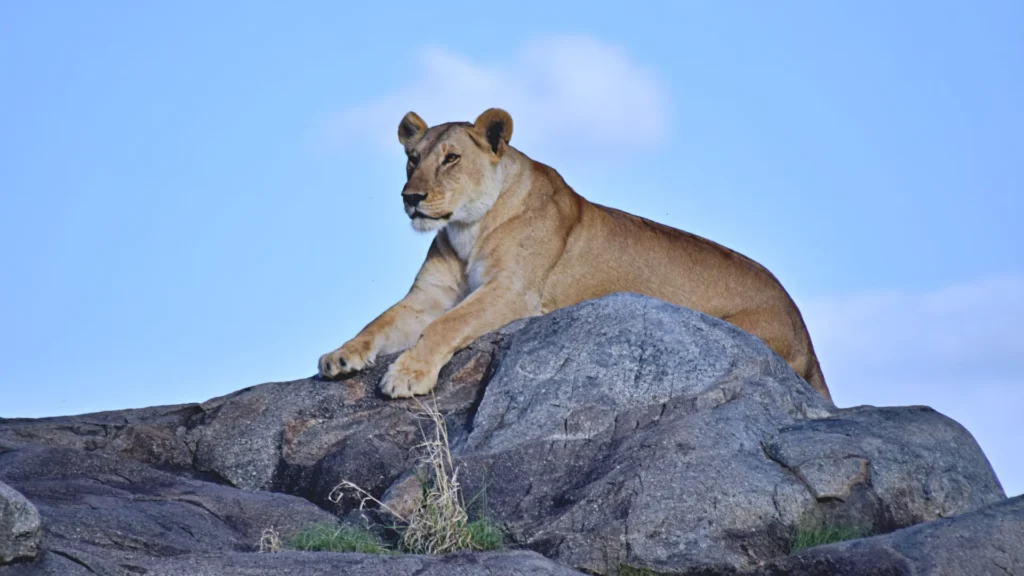
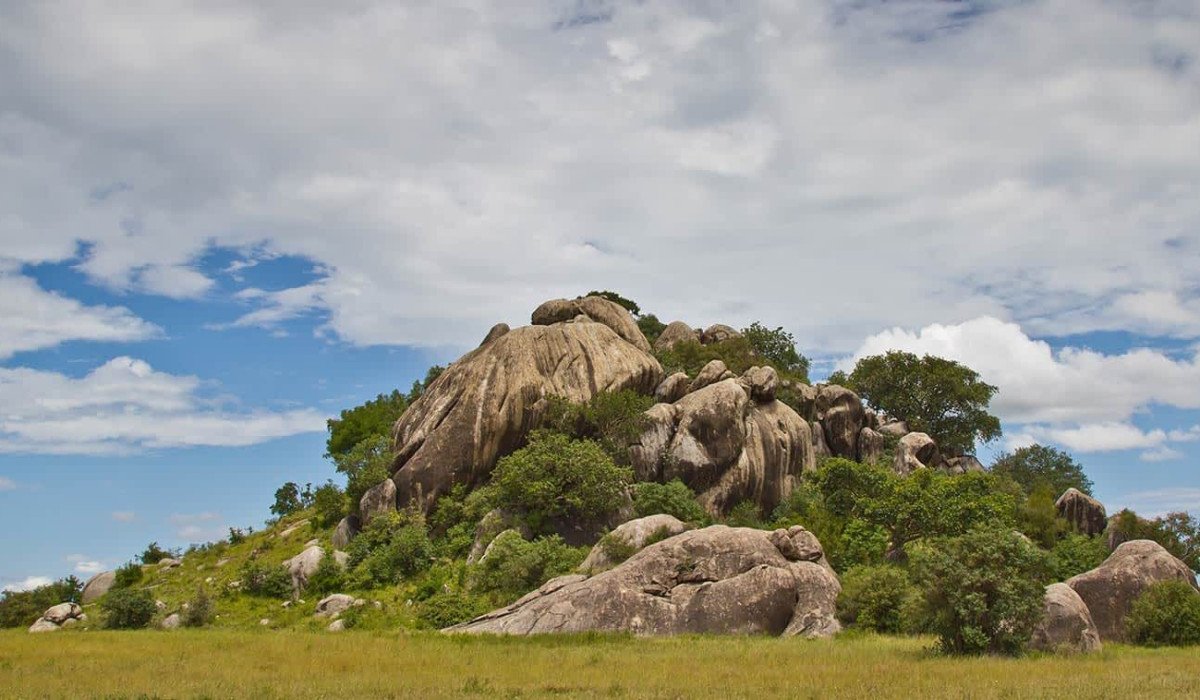
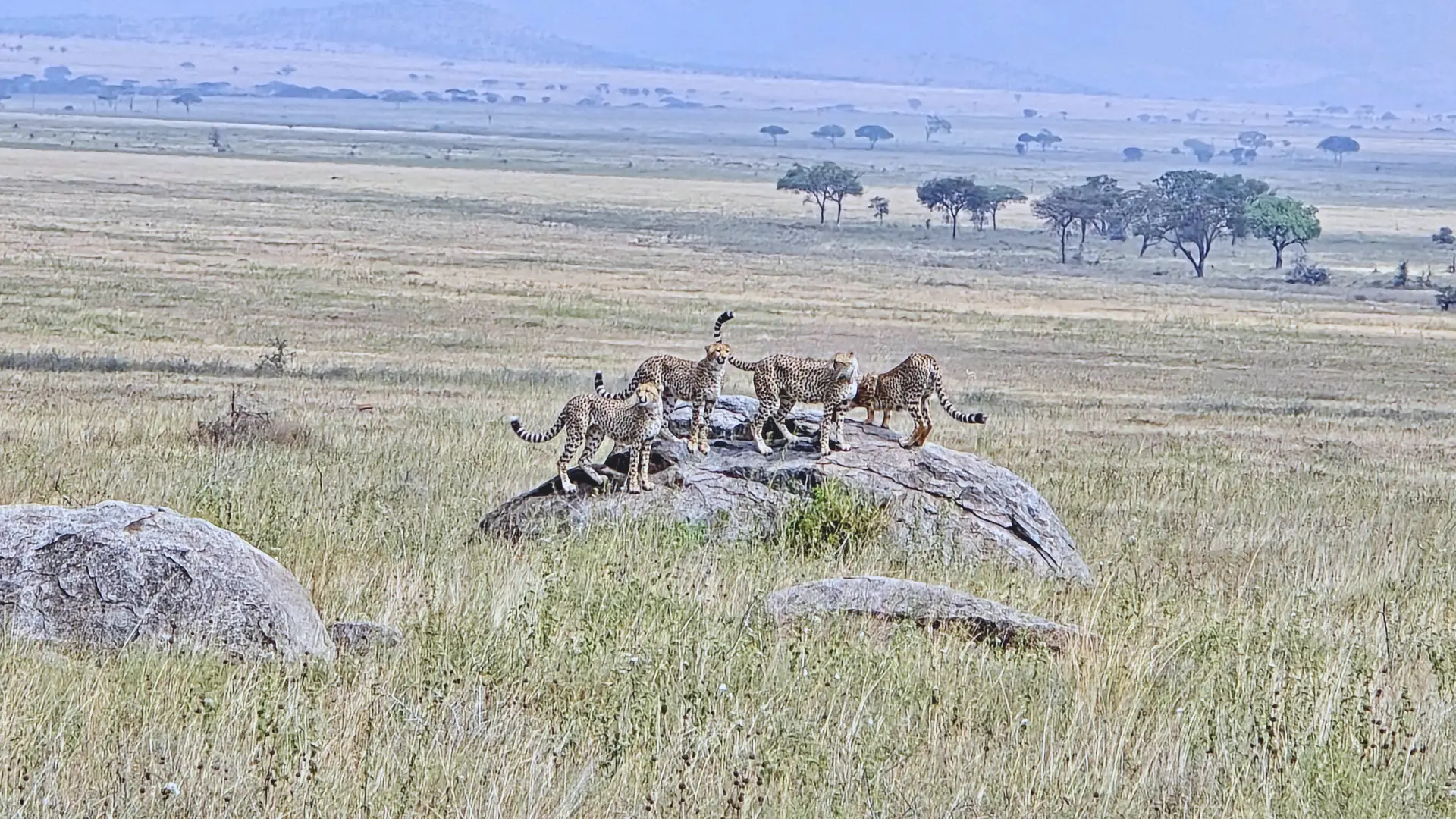
The Serengeti’s landscapes range from short grass plains in the south to riverine forests and woodland areas in the central and northern regions. Kopjes—granite rock formations—provide shelter for predators and vantage points across the plains.
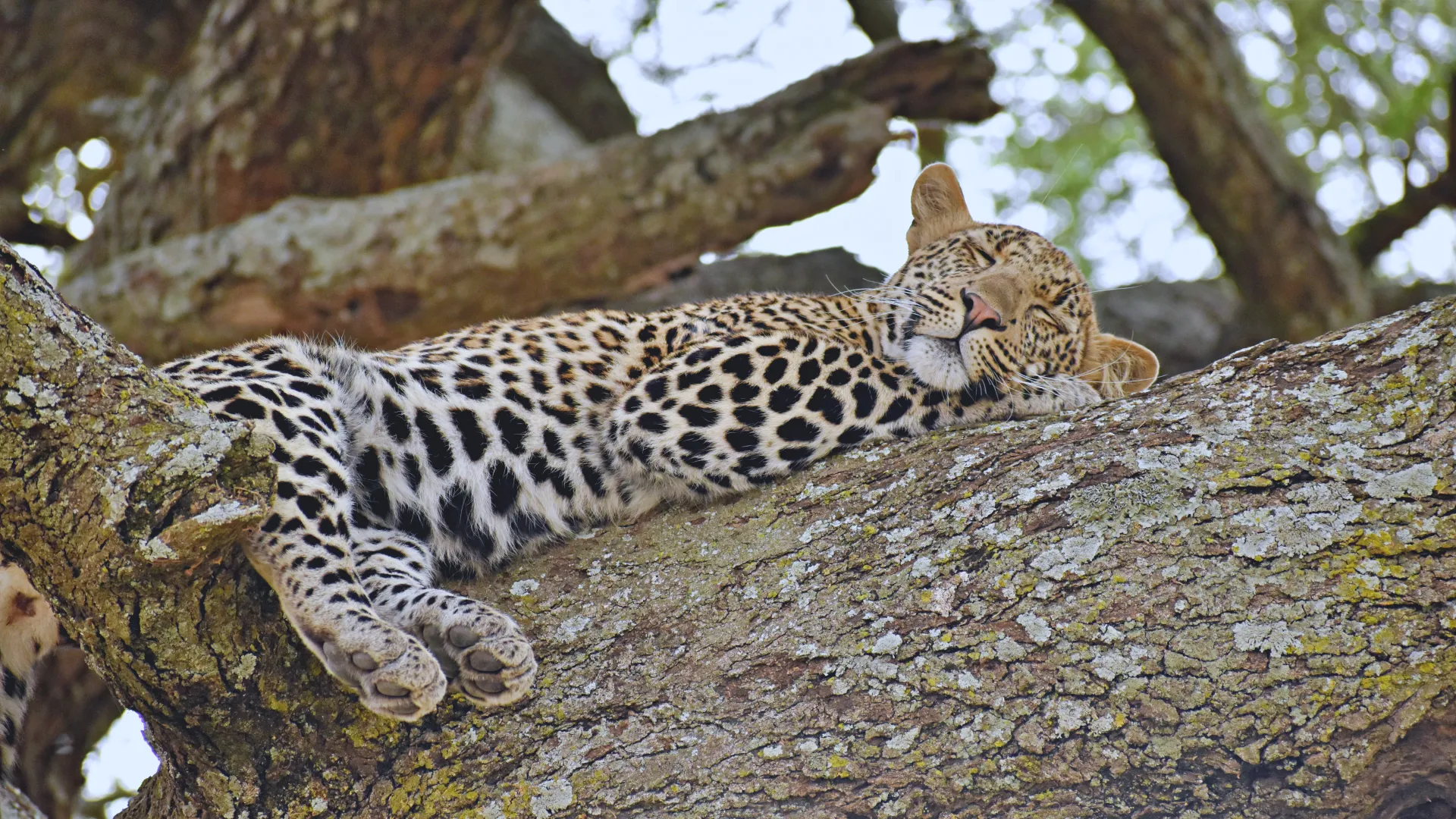
The park supports one of the highest concentrations of wildlife in Africa. Large lion prides dominate the ecosystem, while leopards are often found along river systems and cheetahs thrive in the open plains.
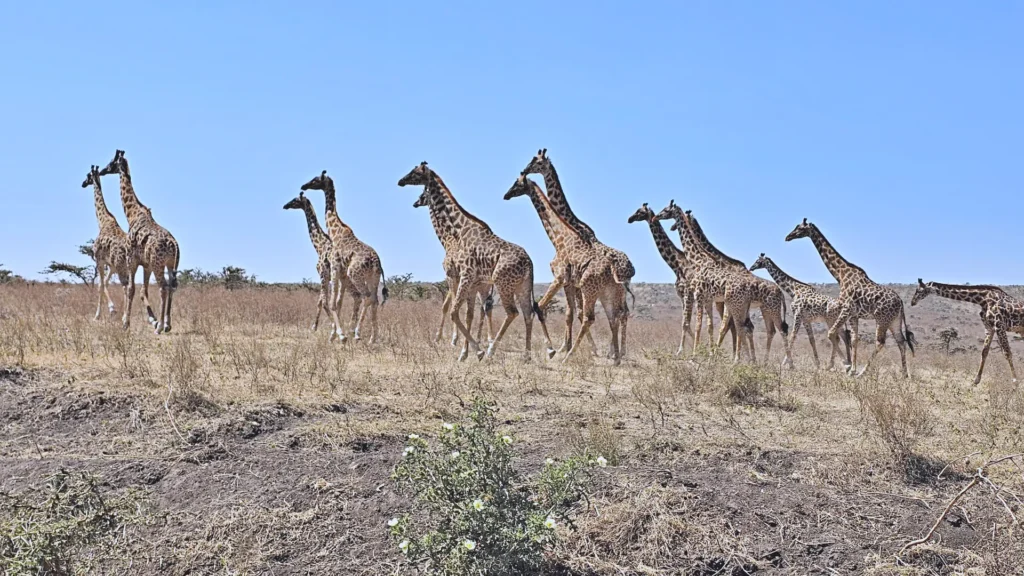
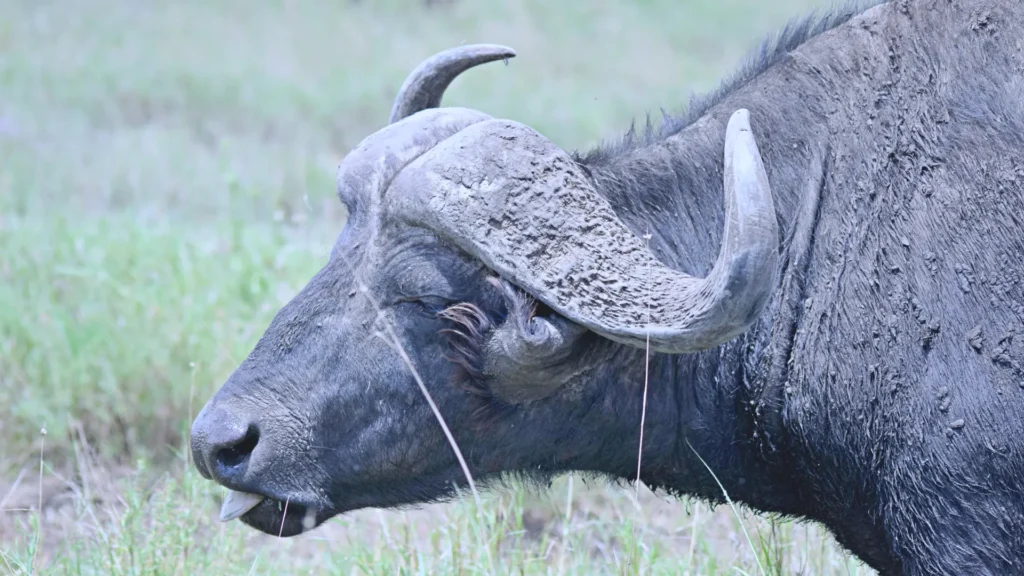
Elephants, buffalo, giraffes, zebras, and numerous antelope species are widely distributed. The Serengeti is also home to over 500 bird species, making it a significant destination for birdwatching.
Top Experience
The Great Migration
Witness millions of wildebeest and zebras moving across the plains in search of fresh grazing, including dramatic river crossings.
Big Cat Safaris
Experience some of Africa’s best predator sightings, including lions, leopards, and cheetahs in their natural habitat.
Hot Air Balloon Safari
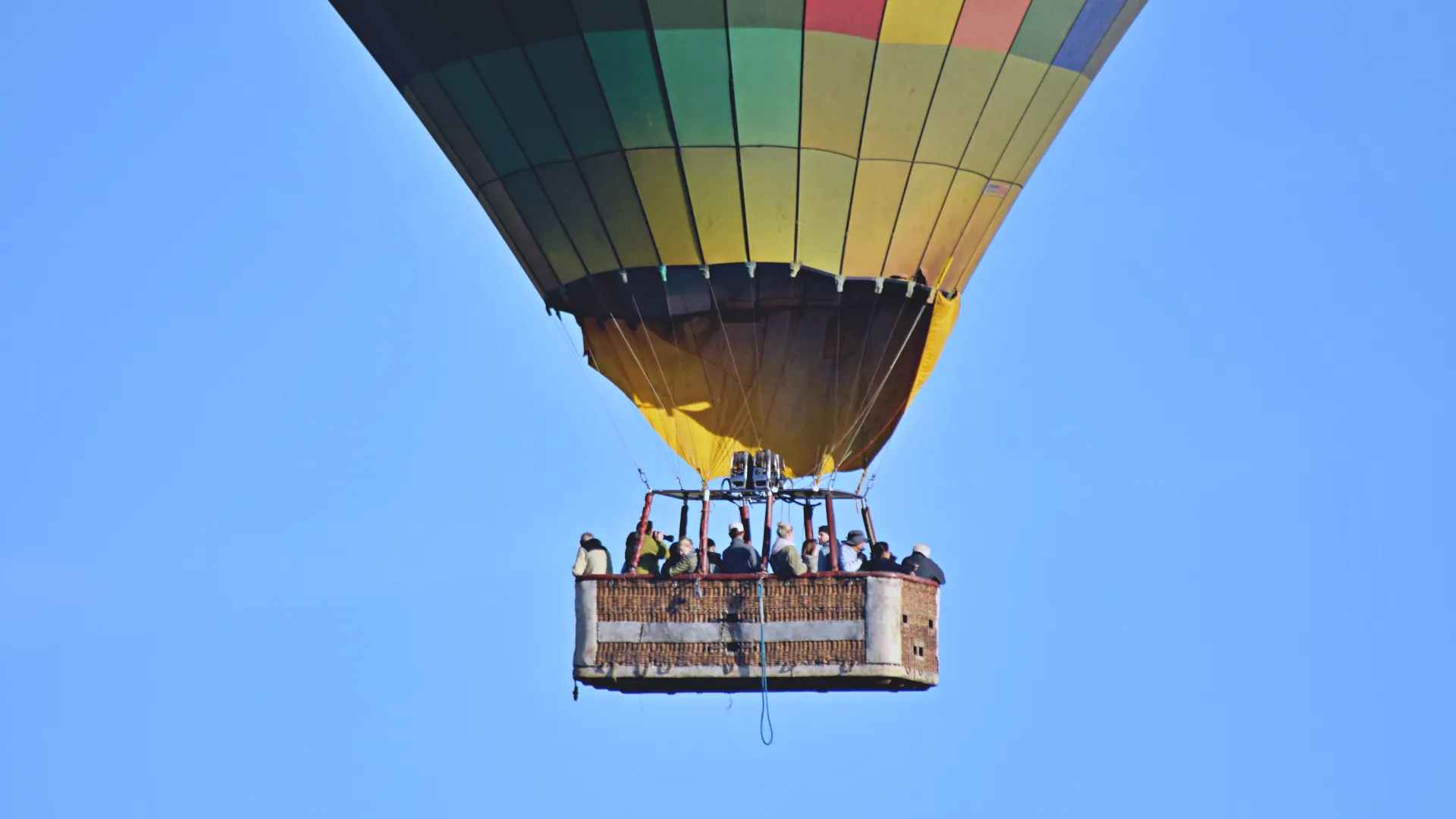
Float above the Serengeti at sunrise for a unique perspective of the landscape and wildlife below.
Kopjes Exploration
Discover rocky outcrops that serve as resting and observation points for predators.
Endless Plains Game Drives
Travel across vast open landscapes where wildlife can be seen in every direction.
Activities
Game Drives
Explore different regions of the Serengeti with experienced guides, tracking wildlife across diverse habitats.
Hot Air Balloon Safaris
Experience the Serengeti from above with sunrise balloon flights followed by a bush breakfast.
Birdwatching
Observe a wide variety of bird species across multiple ecosystems.
Best Time to Visit
The Serengeti offers excellent wildlife viewing throughout the year, but the experience varies depending on the movement of the Great Migration.
From December to March, the southern plains host the calving season, where thousands of wildebeest give birth, attracting predators. From June to July, the migration moves through the western corridor, including river crossings.
Between July and October, the northern Serengeti becomes the focus as herds cross the Mara River in dramatic scenes. The green season, from November to May, brings lush landscapes and fewer visitors, offering a quieter and more scenic safari experience.
Travel tips
-
Access is via flights from Arusha, Kilimanjaro, or other northern circuit hubs
-
Best combined with Ngorongoro Crater, Tarangire, and Lake Manyara
-
Choose regions based on migration timing for optimal experience
-
Accommodation ranges from budget camps to high-end luxury lodges
Safari Route
Serengeti is the core of Tanzania’s Northern Circuit and is typically combined with other key parks.
Typical routing:
Arusha → Tarangire National Park → Ngorongoro Crater → Serengeti National Park
This route offers a complete safari experience, combining diverse landscapes, high wildlife density, and varied ecosystems.
Related
Your Tanzania Story Starts with a Conversation
Travel planning often begins with a single question. Let us know when you can travel, who you’re bringing, and what you’re dreaming of — our local experts will handle everything else.