


Tananzania · Africa

Zanzibar

Indian Ocean

Overview

Zanzibar is a tropical island archipelago located off the coast of mainland Tanzania in the Indian Ocean. It is one of East Africa’s most sought-after beach destinations, combining pristine beaches with a rich cultural and historical heritage.

The main island, Unguja (commonly referred to as Zanzibar), offers diverse regions, each with a distinct experience. Stone Town, a UNESCO World Heritage Site, is the cultural and historical heart of the island, known for its narrow streets, carved wooden doors, and Swahili-Arab influences.

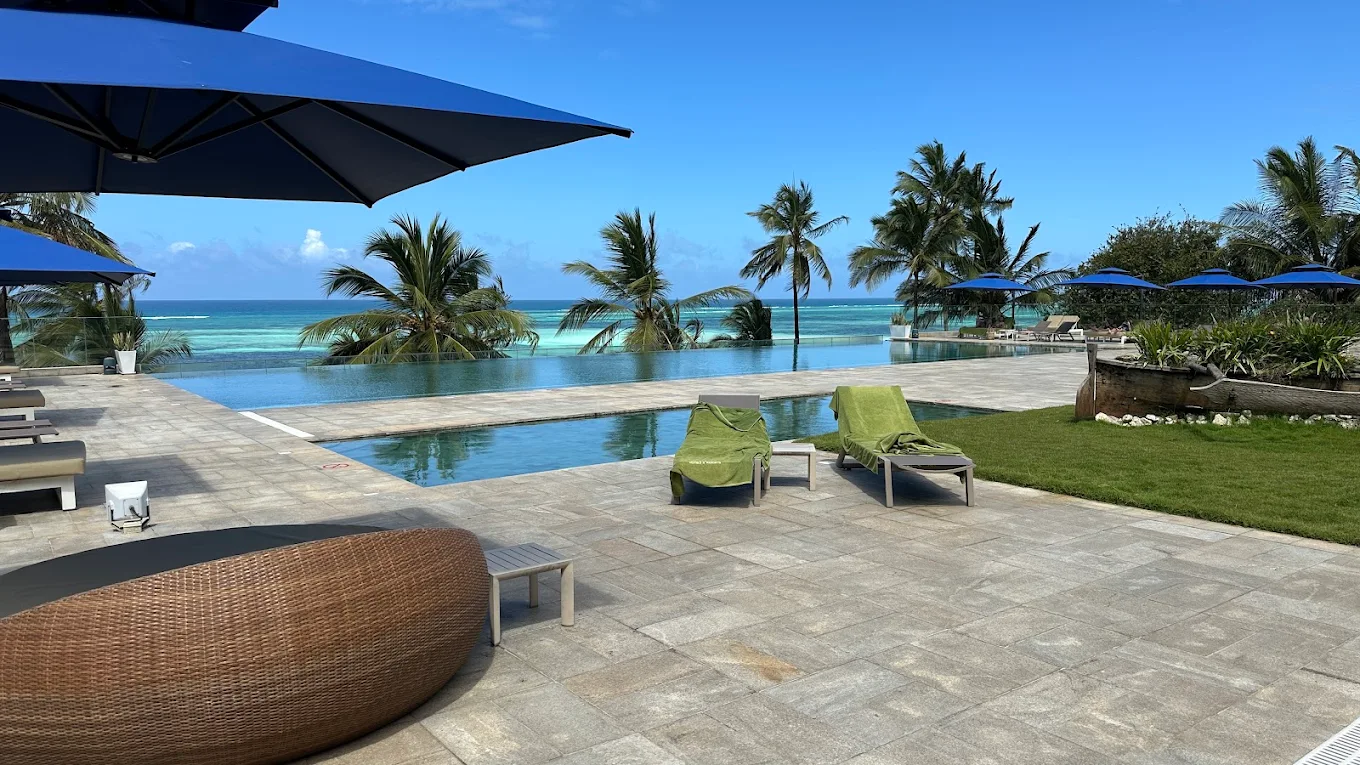
The northern beaches, including Nungwi and Kendwa, are known for their sandy shores and minimal tidal variation, making them ideal for swimming. The eastern coast features long stretches influenced by tides, offering scenic environments, while the southern region provide quieter, more secluded settings.

Together, these regions make Zanzibar not just a beach destination but a complete coastal experience blending relaxation, culture, and exploration.

Why Visit

Zanzibar?

Zanzibar has a long and complex history shaped by trade, migration, and cultural exchange. The name “Zanzibar” is believed to derive from the Persian phrase “Zangibar,” meaning “coast of the blacks,” reflecting its historical role as a meeting point between Africa and the wider Indian Ocean world.

The island became a major center for trade, particularly in spices and enslaved people, under Omani Arab rule in the 18th and 19th centuries. Stone Town developed as a key commercial hub, blending African, Arab, Persian, and European influences. In 1964, Zanzibar underwent a revolution that led to its union with Tanganyika, forming modern-day Tanzania.

Today, Stone Town is recognized as a UNESCO World Heritage Site for its cultural and historical significance, preserving its unique architecture and heritage.

History of

Zanzibar

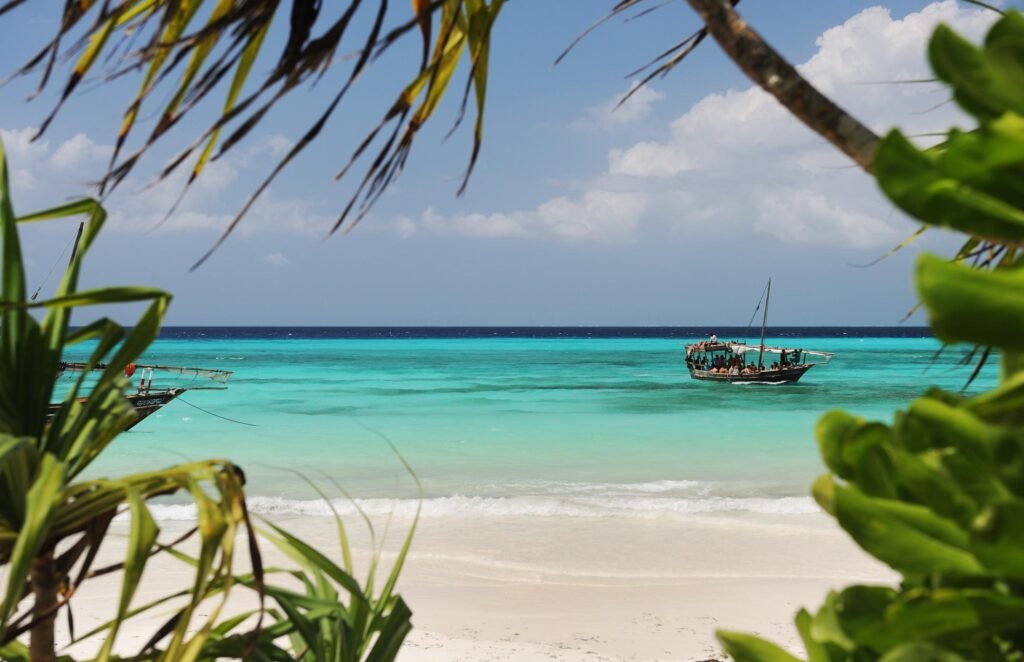
Zanzibar offers the perfect contrast to a mainland safari, providing a relaxed coastal atmosphere after days of wildlife exploration. Its beaches are among the most beautiful in the world, with clear turquoise waters and soft white.

Beyond the beaches, Zanzibar is rich in culture and history, influenced by African, Arab, Persian, and European traditions. Visitors can explore historic sites, spice farms, and vibrant local life.

For travelers seeking relaxation, cultural discovery, and tropical beauty in one destination, Zanzibar delivers a well-rounded and memorable experience.

Gallery

Wildlife & Landscape

Zanzibar’s landscapes are defined by its coastline, coral reefs, and cultural heritage. The beaches vary by region, from lively northern shores to quieter eastern and southern coasts.

Stone Town showcases centuries of history through its architecture and cultural landmarks. Inland areas are known for spice farms, where cloves, cinnamon, and nutmeg are grown.

Marine life is abundant, with coral reefs supporting snorkeling and diving experiences.

Top Experience

Beach Relaxation

Unwind on white-sand beaches with clear turquoise waters and tropical surroundings.

Stone Town Exploration

Explore the historic streets of Stone Town, discovering rich cultural heritage, architecture, and local markets.

Spice Tours

Visit working spice farms to learn about Zanzibar’s role in the spice trade.
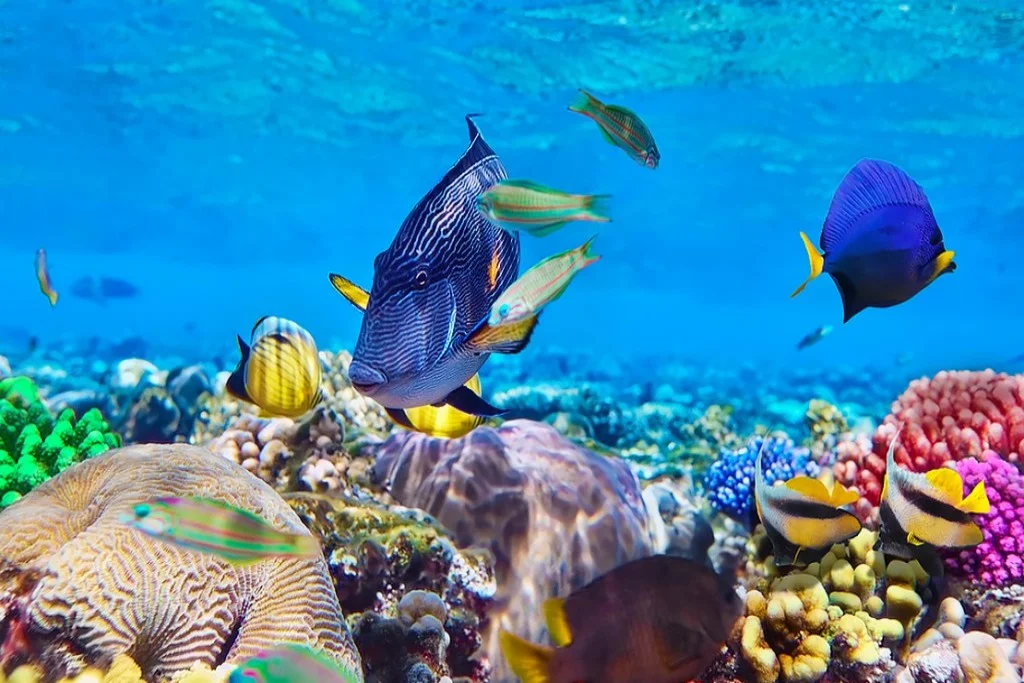
Snorkeling & Diving

Explore coral reefs and marine life in the Indian Ocean.
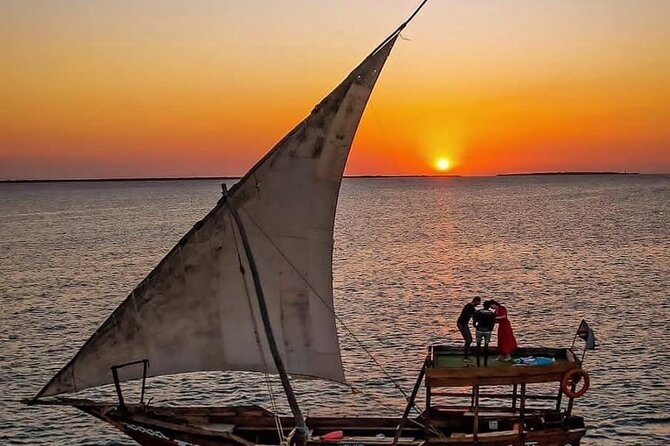
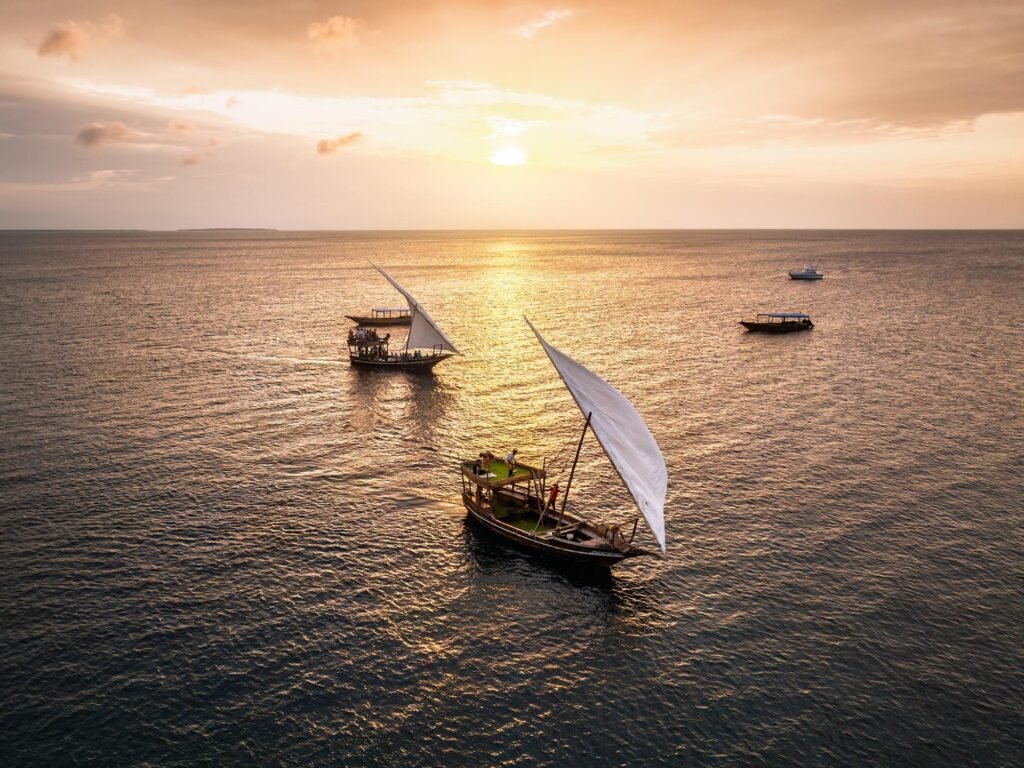
Dhow Sunset Cruise

Sail on a traditional dhow boat during sunset along the coast.

Jozani Forest & Red Colobus Monkeys

Visit Jozani Chwaka Bay National Park, the island’s only national park, home to the rare Zanzibar red colobus monkeys. Walk through tropical forest and mangrove boardwalks while observing unique wildlife found nowhere else.

Activities

Beach Activities

Swimming, sunbathing, and relaxation along different coastal areas.

Cultural Tours

Guided tours of Stone Town and historical landmarks.

Marine Activities

Snorkeling, diving, and boat excursions.

Best Time to Visit

Zanzibar can be visited year-round, with the best conditions during the dry seasons from June to October and December to February.

These periods offer sunny weather, calm seas, and ideal beach conditions. The rainy seasons (March to May and November) bring fewer visitors and greener landscapes but occasional showers.

Travel tips

  • Accessible via flights from Dar es Salaam, Arusha, or international routes

  • Choose beach location based on tide and activity preference

  • Ideal as a post-safari destination

  • Lightweight clothing recommended due to tropical climate

Safari Route

Zanzibar is typically the final destination in a Tanzania itinerary.

Typical routing:

Safari (Serengeti / Ngorongoro / Tarangire) → Zanzibar

or

Kilimanjaro → Safari → Zanzibar

This creates a complete experience: adventure, wildlife, and relaxation.

Related

Your Tanzania Story Starts with a Conversation

Travel planning often begins with a single question. Let us know when you can travel, who you’re bringing, and what you’re dreaming of — our local experts will handle everything else.

Shared Safari Form

Safari Inquiry Form